
Furniture Flipping and Respiratory Protection: The Complete Guide
Furniture flipping has become one of the most popular creative businesses in the country — and one of the most underestimated respiratory hazards for the people who do it. Every estate sale find, every thrift store chair, every garage sale dresser carries a history of finishes, treatments, and accumulated biological matter that gets released into your breathing zone the moment you pick up a sander or a heat gun.
Most furniture flippers protect their eyes. Most protect their hands. Almost none protect their lungs with anything more than a paper dust mask that provides the feeling of protection without the reality of it. This guide changes that. It covers exactly what you're breathing at every stage of a flip, why it matters, why most masks fail furniture flippers specifically, and how to choose the right respiratory protection for every task — from rough sanding to final topcoat.
This is the most complete guide to furniture flipping respiratory protection available. Use it.
What Furniture Flippers Are Actually Breathing — Stage by Stage
The respiratory hazards in furniture flipping are different at every stage of the process. Understanding what's in the air at each step is the foundation of choosing the right protection.
Stage 1: Initial Assessment and Cleaning
Before you touch a sander, the piece itself is a respiratory hazard. Furniture sourced from storage units, garages, barns, and estate sales carries decades of accumulated dust, mold spores, dust mites, rodent dander, and biological particles. Wiping down, vacuuming, or blowing off a piece disturbs this accumulated matter and releases it into your breathing zone in concentrated bursts. This is the stage most flippers skip respiratory protection entirely — and it's one of the highest-exposure moments of the entire flip.
Stage 2: Stripping and Chemical Removal
Chemical strippers — including methylene chloride-based products, NMP-based strippers, and citrus strippers — release volatile organic compounds (VOCs) during application and as they work on the finish. Heat guns used to soften old finishes release VOCs from the finish itself as it heats. Older furniture finished before the 1970s may contain lead-based paint — a serious hazard that requires specific protective measures beyond standard dust masks.
Important: If you suspect lead paint on pre-1978 furniture, consult EPA lead paint guidance before sanding or stripping. Standard particulate masks are not designed for lead paint abatement. Consult your safety officer or local regulations for appropriate certified PPE.
Stage 3: Sanding — The Highest Particulate Stage
Sanding is the highest-particulate stage of any flip. Power sanders — random orbital, belt, detail — generate enormous quantities of fine particles at sizes that bypass your body's natural defenses entirely. Particles under 10 microns pass your nose and throat. Particles under 2.5 microns (PM2.5) penetrate deep into lung tissue. Particles under 1 micron reach the deepest lung structures and are extremely difficult for the body to clear.
What's in sanding dust from old furniture:
- Fine wood fiber — from the substrate itself; hardwood dust is classified by IARC as a Group 1 carcinogen with occupational exposure
- Old finish particles — lacquer, varnish, shellac, and paint particles from the existing finish layers
- Primer and paint particles — from previous refinishing work; older paints may contain lead, cadmium, or other heavy metal pigments
- MDF and composite particles — if the piece contains MDF components; MDF dust includes urea-formaldehyde resin compounds
- Biological particles — mold spores and allergens disturbed from within the wood grain and finish layers
Fine sanding dust remains airborne for 30 minutes or more after the sander stops. Every breath you take in the workspace after sanding — without a mask — is a breath of concentrated fine particulates.
Stage 4: Priming and Painting
Brush and roller application releases fine paint particles and VOCs into your immediate breathing zone. Spray application — aerosol cans, HVLP guns, or airless sprayers — generates a fine mist of paint particles that remain suspended in the air for extended periods. Water-based paints release fewer VOCs than solvent-based products, but still generate fine particles during application. Chalk paint, milk paint, and mineral paint — popular in the flipping community — are generally lower-VOC but still generate fine particles during sanding and application.
Stage 5: Topcoat and Sealing
Polyurethane, lacquer, wax, and oil-based topcoats release VOCs during application and curing. Spray lacquer in particular generates fine particles and significant solvent vapor simultaneously. The combination of fine particles and organic vapors at this stage is why active carbon filtration — not just particulate filtration — is essential for flippers who do any topcoat work.
Why Most Masks Fail Furniture Flippers
Paper Dust Masks: Protection Theater
The paper masks sold at hardware stores are designed for large particle filtration — the visible sawdust that settles on your bench. They are not designed to filter fine particles, and they do not create a meaningful seal against the face. Fine sanding particles, paint mist, and VOC molecules pass through and around them freely. Wearing a paper mask while sanding old furniture provides psychological comfort. It does not provide meaningful respiratory protection.
Disposable N95s: Better, But Still Incomplete
N95 respirators filter 95% of particles at 0.3 microns when properly fitted — a meaningful improvement over paper masks for particulate protection. But they have no active carbon, which means no protection against VOCs from strippers, topcoats, and finishing products. They trap heat and moisture inside with no active exhaust, making extended wear during physical work uncomfortable. And they're single-use — expensive for flippers who work regularly. For occasional, short-duration sanding tasks, an N95 is adequate. For regular flipping work across all stages, a reusable mask with active carbon is the smarter choice.
The Seal Problem
Filtration rating only matters if the mask seals completely against your face. Any gap — at the nose bridge, along the cheeks, under the chin — is an unfiltered air pathway. Fine particles and VOC molecules don't wait for the filter. They take the path of least resistance. This is why a mask with a proper adjustable nose clip and 360° perimeter seal is fundamentally different from one that relies on a generic metal strip and elastic bands — and why seal quality is the most important factor in real-world respiratory protection for furniture flippers.
The Right Respiratory Protection for Every Stage of a Flip
For Most Furniture Flipping Work: RZM3
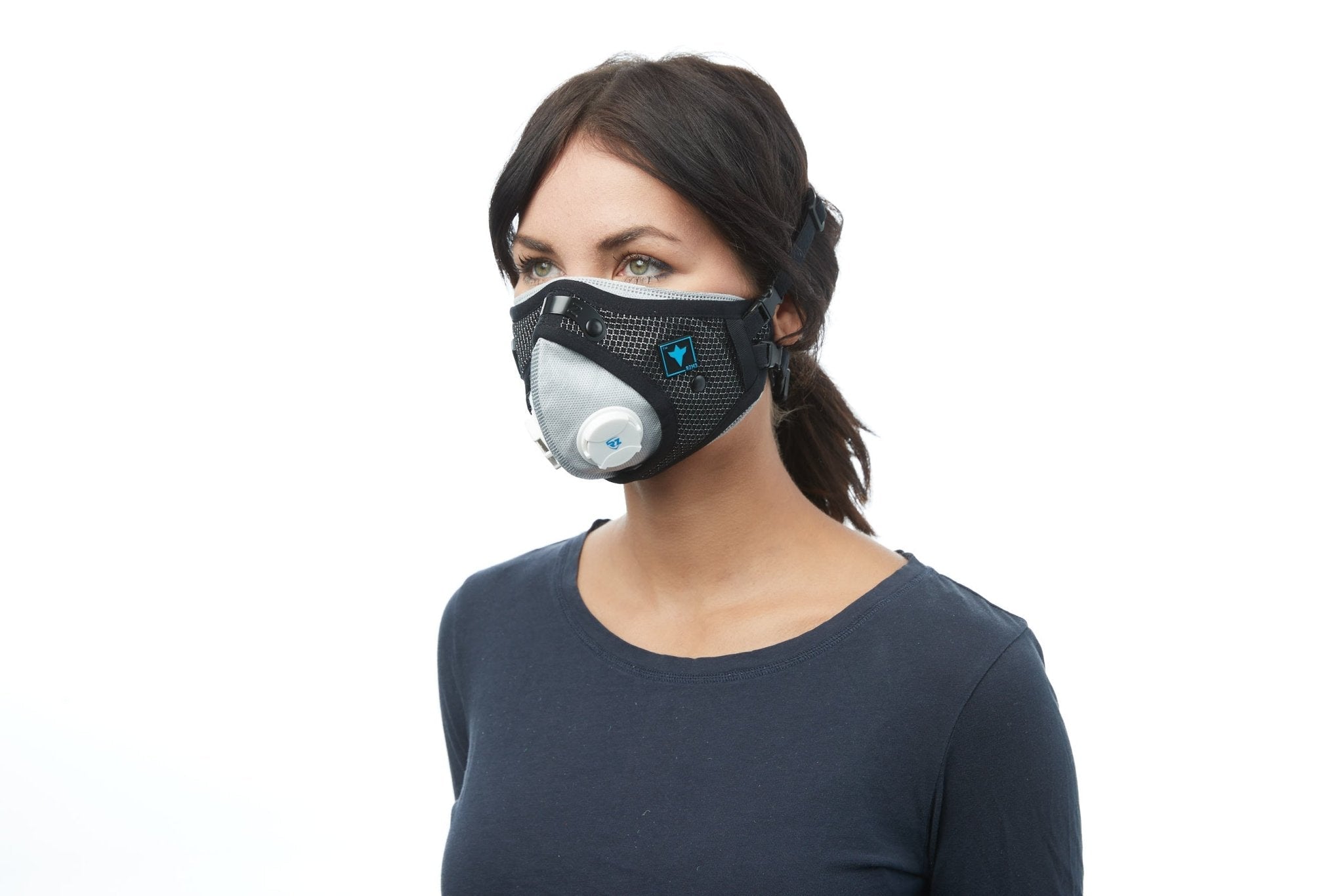
The RZM3 premium reusable mask is the definitive choice for furniture flippers who work regularly. It delivers everything a flip demands across every stage:
- Filtration down to 0.1 micron — capturing fine sanding dust, paint particles, and biological matter at the sizes that matter most
- Active carbon layer — designed to help reduce organic odors from strippers, topcoats, and finishing products
- Adjustable nose clip and 360° perimeter seal — a complete seal that holds through bending, lifting, and active physical work
- Patented three-strap system — maintains secure fit through every stage of the flip without slipping or gapping
- Dual one-way discharge valves — actively exhaust heat and moisture with every exhale, keeping the mask comfortable enough to wear through a full day of work
- No-fog design — adjustable nose clip and discharge valves work together to keep safety glasses and goggles clear
- Reusable with replaceable filters — significantly more cost-effective than disposables for regular flippers
For High-Exertion and Extended Sanding Sessions: RZ Airflow
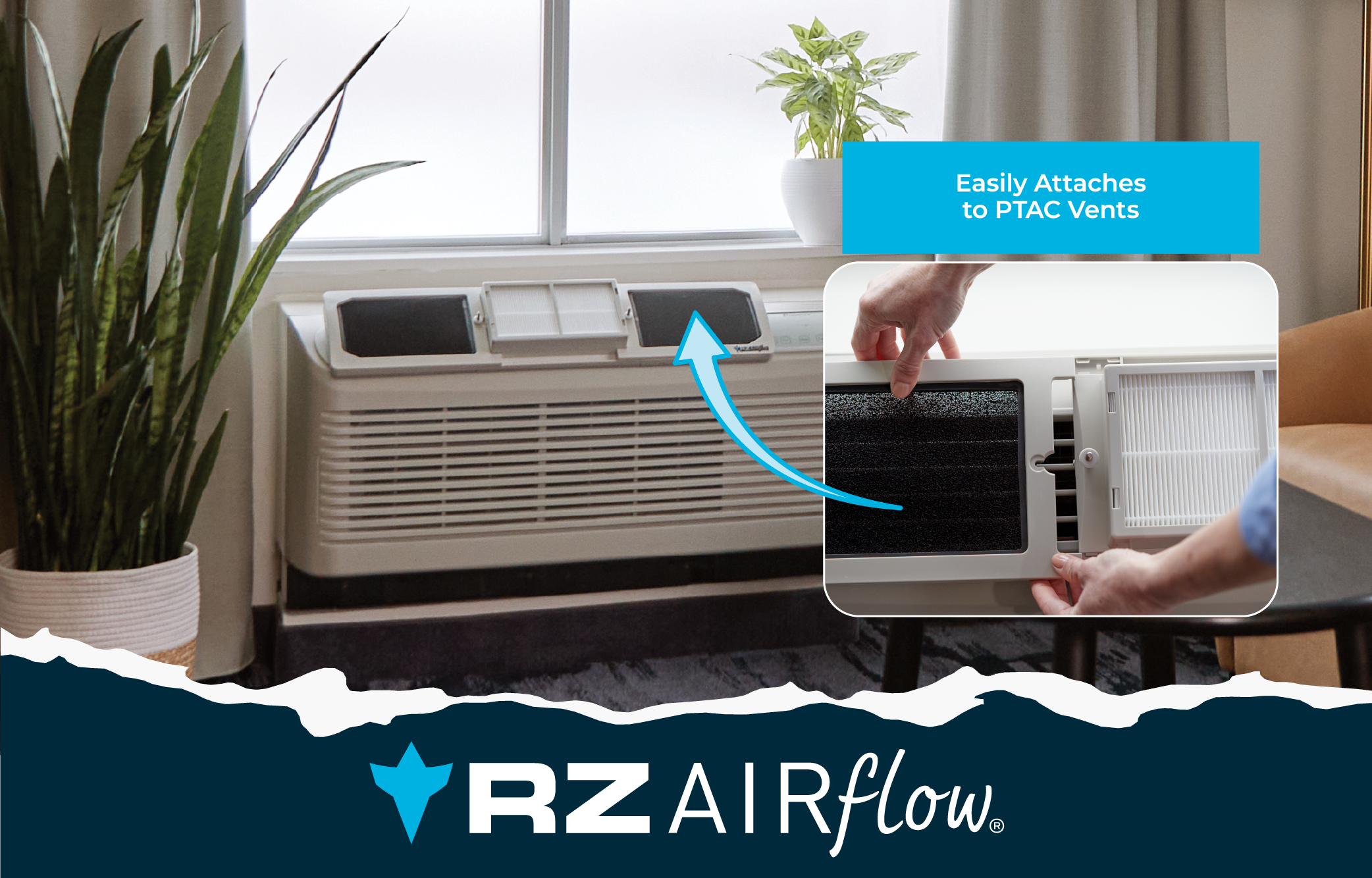
For flippers who do long, physically demanding sanding sessions and prioritize maximum breathability, the RZ Airflow breathable mask is engineered for high-airflow comfort during active, aerobic work. It delivers the same filtration and active carbon protection in a design optimized for maximum airflow — so you can sand through a full piece without the breathing resistance that leads to pulling the mask off.
For Professional Flippers and Compliance Environments: RZ Pro FFP2 and FFP3
For furniture flippers operating as professional businesses in environments with stricter safety requirements — or for work involving potentially hazardous materials requiring certified respiratory protection — the RZ Pro FFP2 certified respirator provides CE-certified FFP2-level protection in a reusable format. For the highest level of certified protection, the RZ Pro FFP3 certified respirator delivers CE-certified FFP3-level protection — the most demanding certified standard in the RZ Mask lineup. Consult your safety officer for guidance on your specific environment and applicable regulations.
Respiratory Protection by Flip Stage: Quick Reference
- Initial cleaning and assessment — RZM3; biological particles and accumulated dust from storage; don't skip this stage
- Chemical stripping — RZM3 with F3 Active Carbon Filter; VOCs from strippers; ensure adequate ventilation; for heavy solvent exposure consider RZ Pro FFP2 or FFP3
- Heat gun stripping — RZM3 with F3 Active Carbon Filter; VOCs from heated finish; ensure ventilation
- Power sanding — RZM3 with F3 Active Carbon Filter or RZ Airflow; highest particulate stage; keep mask on for 30+ minutes after sanding stops
- Hand sanding — RZM3; fine particles remain airborne; don't skip protection for hand sanding
- Priming and painting (brush/roller) — RZM3 with F3 Active Carbon Filter; fine particles and VOCs
- Spray painting and spray lacquer — RZM3 with F3 Active Carbon Filter; fine spray mist and solvent vapor; ensure ventilation
- Topcoat and sealing — RZM3 with F3 Active Carbon Filter; VOCs from polyurethane, wax, and oil finishes; ensure ventilation
Frequently Asked Questions: Respiratory Protection for Furniture Flipping
Do I really need a mask for furniture flipping, or is ventilation enough?
Ventilation is essential — but it doesn't eliminate the need for a mask. Fine sanding particles, paint mist, and VOCs are released directly into your breathing zone before any ventilation system can remove them. A properly fitted mask with real filtration is the most direct and reliable form of protection at the source. Use both: ventilation to reduce ambient concentrations, and a mask to protect your breathing zone directly.
What's the risk of sanding old painted furniture without a mask?
The risks depend on the age and history of the piece. Fine wood dust and paint particles from any era are respiratory hazards with repeated exposure. Furniture finished before 1978 may contain lead-based paint — a serious hazard requiring specific protective measures. Older lacquers and varnishes may contain compounds that are no longer used in modern finishes. The safest approach is consistent respiratory protection for all sanding work on old furniture, regardless of the piece's apparent condition.
Can the RZM3 handle both dust and paint fumes?
Yes. The RZM3's F1 and F3 Active Carbon Filters are designed to filter fine particles down to 0.1 micron and include active carbon designed to help reduce organic odors from finishing products. For heavy solvent-based work, always ensure adequate ventilation in addition to wearing your mask. For environments with significant chemical vapor exposure, the RZ Pro FFP2 or RZ Pro FFP3 certified respirators may be more appropriate.
How long should I keep my mask on after sanding?
Fine sanding particles remain airborne for 30 minutes or more after the sander stops. Keep your mask on for at least 30 minutes after finishing any power sanding, and during any cleanup activities — sweeping and vacuuming re-suspend settled fine particles into the air.
Is chalk paint or milk paint safer to work with than regular paint?
Chalk paint, milk paint, and mineral paint are generally lower-VOC than solvent-based paints — but they still generate fine particles during application and sanding. Respiratory protection is still appropriate for any painting and sanding work, regardless of paint type.
Will the RZM3 fog my safety glasses when I'm working?
The RZM3 is designed with a no-fog exhale system — an adjustable nose clip that seals the nose bridge and dual discharge valves that direct exhaled air downward and away from your eyewear. This significantly reduces fogging compared to standard masks. Fit the nose clip carefully to your nose profile for best results.
How often should I replace my RZM3 filter for furniture flipping?
Replace your filter when breathing resistance increases noticeably, when the filter becomes visibly soiled, or after extended use in high-dust or high-VOC environments. For active flippers doing regular sanding and finishing work, monitor filter condition after each project. Replacement filters are available directly from RZ Mask.
Is the RZM3 worth it compared to buying disposable N95s?
For regular flippers, yes — significantly. Disposable N95s at $1–3 each add up quickly across multiple projects, and they provide no active carbon for VOC reduction. The RZM3 reusable system with replacement filters costs less per use over time, delivers finer filtration (down to 0.1 micron vs. 0.3 micron for N95), includes active carbon, and is far more comfortable for extended wear. The math favors the RZM3 for anyone who flips more than occasionally.
Your Craft Deserves Serious Protection.
Furniture flipping is a craft, a business, and for many people a passion. The best flippers treat their workspace like professionals — with proper tools, proper technique, and proper safety. Respiratory protection is part of that equation. The damage from repeated, unprotected exposure to fine dust, paint particles, and VOCs is cumulative and largely invisible until it isn't.
The RZM3 breathable reusable mask is designed to be the mask that serious flippers actually wear — because it's comfortable enough to keep on through a full day of work, effective enough to actually matter, and built to last through a full season of flips.
Explore the full RZ Mask lineup: the RZM3 premium reusable mask, the RZ Airflow comfort-focused mask, the RZ Pro FFP2 certified respirator, and the RZ Pro FFP3 certified respirator. Find the right protection for every stage of your flip.
For lead paint guidance, visit EPA Lead Paint Information. For wood dust exposure guidelines, visit OSHA Wood Dust. RZ Mask products are designed for general particulate filtration and organic odor reduction — not for regulated hazardous substance protection including lead paint abatement. Consult your safety officer for workplace-specific PPE requirements.


Why Electricians Need a Dust Mask: The Hidden Respiratory Hazards of Electrical Work
Best Mask for Woodworking: Why Professional Furniture Builders Choose the RZM3