
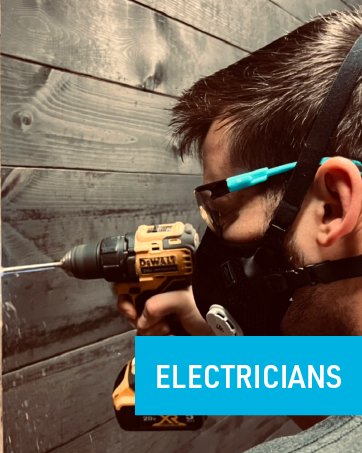
Why Electricians Need a Dust Mask: The Hidden Respiratory Hazards of Electrical Work
Ask most electricians if they wear a dust mask on the job and the answer is often no — or only occasionally. Respiratory protection is associated with drywall finishers, painters, and demolition crews. Electricians pull wire. They don't think of themselves as working in a dusty trade.
But the reality of where electricians actually spend their time tells a different story. Attics packed with decades of accumulated dust and insulation fibers. Crawl spaces with mold, debris, and organic matter. Wall cavities opened during renovation that release years of settled particulates. New construction sites where drywall dust hangs in the air for hours. Electricians work in some of the most particulate-heavy environments on any job site — and most do it without any respiratory protection at all.
This guide covers the specific respiratory hazards electricians face, what those hazards mean for long-term respiratory health, and why the RZM3 premium reusable mask is the smart PPE choice for the electrical trade.
The Specific Respiratory Hazards Electricians Face
Attic Dust — The Most Overlooked Electrician Hazard
Attic work is a staple of residential electrical — running new circuits, adding outlets, installing fans and fixtures. And attics are among the most particulate-heavy environments an electrician will ever work in. Decades of accumulated dust, insulation fibers, rodent droppings, mold spores, and organic debris settle in attic spaces and are disturbed with every movement through the space.
Attic dust is not just unpleasant — it can contain a complex mixture of fine particulates that remain airborne for extended periods after disturbance. Working in an attic without respiratory protection means inhaling this mixture for the full duration of the job.
Insulation Fibers — Fiberglass and Mineral Wool
Fiberglass and mineral wool insulation are standard in residential and commercial construction — and electricians work around and through them constantly. Disturbing insulation releases fine fibers into the air that can cause respiratory irritation with repeated exposure. Working in insulated attics, wall cavities, and mechanical spaces without respiratory protection means inhaling these fibers on every job.
Note: For specific regulated fiber types and occupational exposure limits, consult OSHA fibrous glass guidelines and your applicable workplace safety regulations. RZ Mask products are designed for general particulate and organic odor protection.
Drywall Dust — New Construction and Renovation
New construction electrical work happens alongside drywall installation and finishing — one of the dustiest trades on any job site. Drywall dust is extremely fine, remains airborne for extended periods, and accumulates rapidly in enclosed spaces. Renovation work that opens existing walls releases settled drywall dust that has accumulated over years or decades.
Crawl Space Debris — Mold, Organic Matter and Accumulated Particulates
Crawl space electrical work exposes electricians to mold spores, organic debris, rodent droppings, and decades of accumulated particulates in confined, poorly ventilated spaces. Crawl spaces are among the most challenging respiratory environments on any residential job — and among the most commonly worked by electricians running new circuits and upgrading panels.
Organic Odors from Electrical Materials
Electrical work involves cutting, drilling, and working around materials that release organic odors — from PVC conduit cutting, wire insulation, and the characteristic organic odor of electrical panels and junction boxes that have accumulated heat and organic compounds over years of operation. Active carbon filtration is designed to help reduce these organic odors during electrical work.
Renovation Demolition Dust
Renovation electrical work often involves opening walls, ceilings, and floors — releasing accumulated dust, insulation, and organic debris from within building cavities. Renovation demolition generates some of the highest airborne particulate concentrations on any job site, and electricians are frequently present during and immediately after demolition phases.
Important: For renovation work in buildings that may contain regulated materials, consult applicable OSHA regulations and your safety officer for appropriate certified PPE requirements. RZ Mask products are designed for general particulate and organic odor protection — not for regulated hazardous substance protection.
Why Most Electricians Don't Wear Masks — And Why That's Changing
The reasons most electricians skip respiratory protection are practical, not ignorant:
- Disposable masks are uncomfortable — they're hot, they fog glasses, they restrict airflow, and they fall apart by mid-morning
- Half-face respirators are bulky — they're designed for sustained industrial use, not the varied, mobile work of a residential or commercial electrician
- The hazard isn't visible — unlike a painter covered in overspray, an electrician in an attic doesn't see the particulates they're inhaling
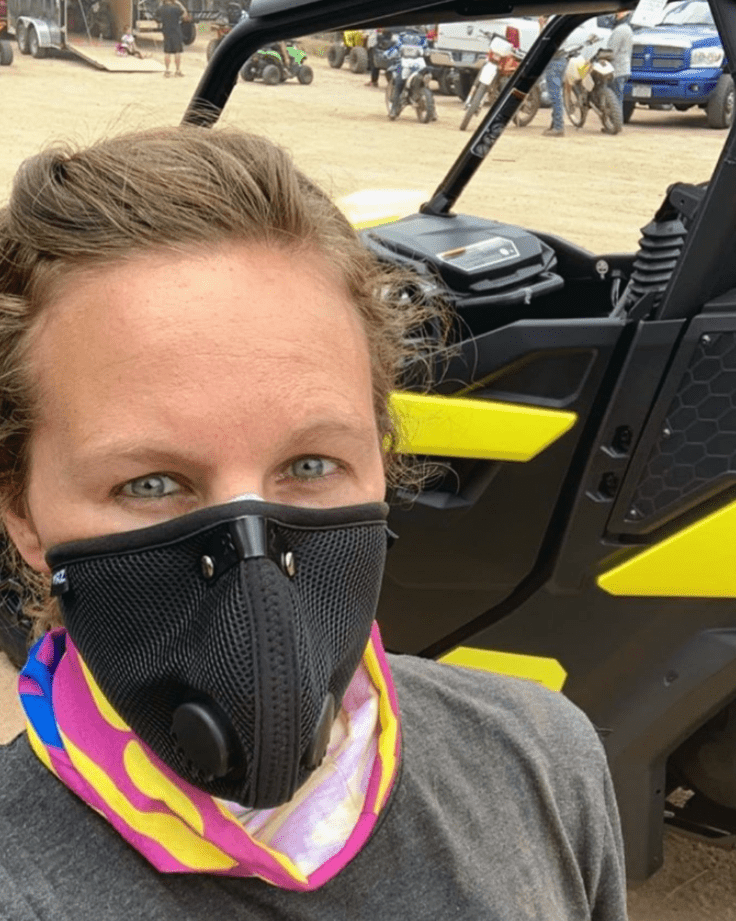
The RZM3 addresses all three objections directly: it's lightweight and low-profile, fog-free with safety glasses, engineered for breathability during physical work, and adapts to every work scenario with its patented three-strap system.
Why the RZM3 Is the Right Mask for Electricians
Fits Every Electrical Work Scenario
- Attic work — head strap configuration for stability while crawling and working overhead; filtration for accumulated attic dust and insulation fibers; active carbon for organic odors from decades of accumulated attic debris
- Crawl space work — head strap for confined space stability; filtration for mold spores, organic debris, and fine particulates; active carbon for crawl space organic odors
- New construction — F3 High Flow filter for all-day breathability on active job sites; filtration for drywall dust and construction particulates
- Panel and junction box work — neck loop configuration for quick on/off between tasks; active carbon for electrical organic odors
- Renovation work — head strap for active demolition-adjacent work; filtration for renovation dust and debris
The Three-Strap System — Built for Trade Work
Electricians don't stay in one position or one environment all day. The RZM3's patented three-strap system adapts to every scenario:
- Head strap — maximum stability for attic crawling, overhead work, and confined spaces
- Neck loop — hangs around your neck between tasks; always within reach, never lost on the job site
- Ear loop — lightweight configuration for quick tasks and site movement
Fog-Free with Safety Glasses
Safety glasses are required PPE on most job sites — and fogged lenses are a safety hazard. The RZM3's adjustable nose clip and dual discharge valves are designed to significantly reduce safety glasses fogging, keeping your vision clear through attic work, panel installation, and every task in between.
Engineered Breathability for All-Day Trade Work
The F3 High Flow filter delivers improved breathability designed for the active, physical work of the electrical trade. Less breathing resistance means you'll actually keep the mask on through the full duration of every job, not pull it off when the work gets demanding. Dual discharge valves actively exhaust heat and moisture with every exhale, keeping the mask interior cooler and drier for all-day comfort.
Active Carbon for Electrical Organic Odors
The active carbon layer is designed to help reduce organic odors from electrical materials, PVC conduit, wire insulation, and the accumulated organic compounds in attics, crawl spaces, and older electrical systems — making confined space electrical work more comfortable.
When to Step Up to a Certified Respirator
For electricians working in professional environments with stricter compliance requirements — commercial job sites, union environments, or projects with specific OSHA respiratory protection program requirements — certified respiratory protection may be required alongside or instead of a standard reusable mask.
The RZ Pro FFP2 certified respirator provides CE-certified FFP2-level respiratory protection in a reusable format — the right choice for professional environments requiring certified protection with the comfort and cost advantages of a reusable system. For the highest level of certified protection, the RZ Pro FFP3 certified respirator delivers CE-certified FFP3-level protection for the most demanding professional environments. Consult your safety officer for guidance on your specific compliance requirements.
OSHA and Respiratory Protection for Electricians
According to OSHA's Respiratory Protection Standard (29 CFR 1910.134), employers are required to provide respiratory protection when engineering controls are not feasible or sufficient to reduce employee exposure to acceptable levels. For electricians working in attics, crawl spaces, and renovation environments with elevated particulate concentrations, respiratory protection is a meaningful component of a complete PPE program.
Frequently Asked Questions: Dust Masks for Electricians
Do electricians really need a dust mask?
Yes — particularly for attic work, crawl space work, renovation demolition, and new construction environments where drywall dust and insulation fibers are present. These environments generate fine airborne particulates that remain suspended for extended periods. Consistent respiratory protection during these tasks is a smart investment in long-term respiratory health.
What's the best mask for attic electrical work?
The RZM3 with F3 Active Carbon Filter in head strap configuration is designed for attic work — stable fit while crawling and working overhead, filtration for accumulated attic dust and insulation fibers, active carbon for organic odors from attic debris, and F3 breathability for the physical demands of attic work in hot conditions.
Can I wear an RZ Mask with safety glasses on the job site?
Yes. The RZM3's adjustable nose clip and dual discharge valves are designed to significantly reduce safety glasses fogging — keeping your lenses clear through active work. Fit the nose clip carefully for best fog-free performance.
Is the RZM3 comfortable enough to wear all day on a job site?
The F3 High Flow filter and dual discharge valves are engineered for all-day breathability and comfort. Most electricians who switch to the RZM3 report it's significantly more comfortable for extended wear than disposable N95s or standard half-face respirators.
When do I need a certified respirator instead of the RZM3?
If your job site or employer requires certified respiratory protection by regulation or policy, the RZ Pro FFP2 or RZ Pro FFP3 certified respirators are the appropriate choice. Consult your safety officer for guidance on your specific environment.
Does the RZM3 work for other trades too?
Yes — the RZM3's three-strap system and replaceable filter platform make it equally effective for plumbers, HVAC technicians, carpenters, general contractors, and any tradesperson who works in dusty, confined, or particulate-heavy environments. One mask, every trade application.
Protect Your Lungs. It's Part of the Job.
Electricians take pride in doing the job right — proper tools, proper technique, proper safety. Respiratory protection belongs in that same category. The environments electricians work in — attics, crawl spaces, renovation sites, new construction — generate real airborne particulates that accumulate with every job over a career.
Explore the full RZ Mask lineup for trade work: the RZM3 premium reusable mask, the RZ Airflow comfort-focused mask, the RZ Pro FFP2 certified respirator, and the RZ Pro FFP3 certified respirator. Find the right protection for the work you do.
For respiratory protection standards, visit OSHA Respiratory Protection and CDC/NIOSH Respirator Information. RZ Mask products are designed for general particulate and organic odor protection — not for regulated hazardous substance protection. Consult your safety officer for workplace-specific PPE requirements.





Why Mask Seal Quality Matters More Than Filtration Rating
Furniture Flipping and Respiratory Protection: The Complete Guide