Identify what is in the air
Fine dust and other particles are different from gases, vapors, low oxygen, or an unknown atmosphere. If the hazard is unknown, stop and get qualified guidance.

Breathe Safe®
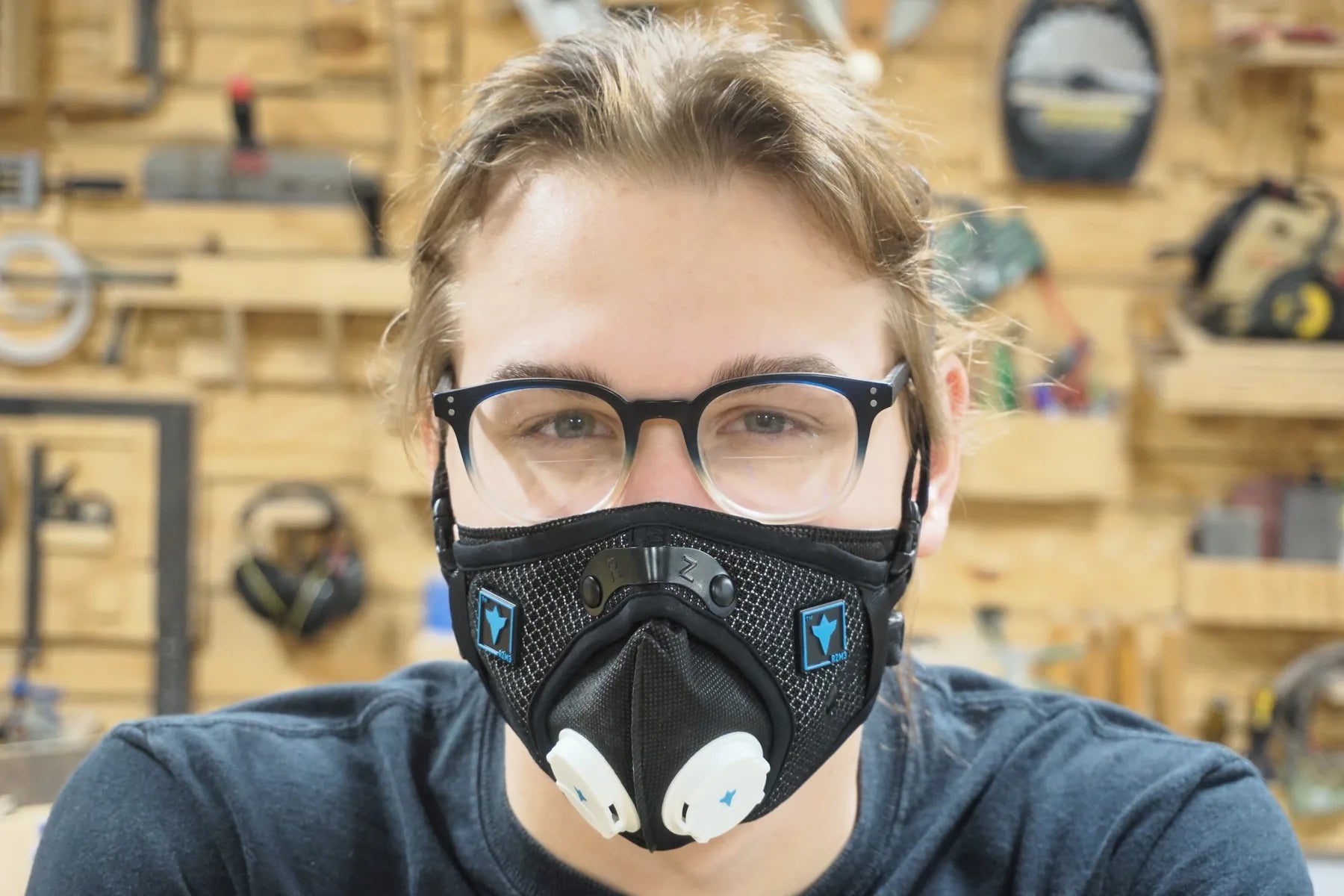
Respiratory protection in plain English
You do not need to become a certification expert. You do need a clear picture of the hazard, the task, the wearer, the required standard, and the exact product status.
Start with the situation
These questions help separate a straightforward product choice from a situation that needs a qualified workplace safety conversation.
Fine dust and other particles are different from gases, vapors, low oxygen, or an unknown atmosphere. If the hazard is unknown, stop and get qualified guidance.
Include exposure level and duration, movement, temperature, eyewear, facial hair, and anything else that can affect use and fit.
Personal use, an employer program, a customer specification, and a country specific certification may lead to different requirements.
Match the model and filter to its current certificate, approval number, instructions, report, and limitations. Never transfer a claim from one configuration to another.
Words you may see
These terms describe different parts of the decision. A product name or one test result does not answer every question.
The name of the product system. It does not by itself tell you which configuration, filter, certification, or use is appropriate.
A performance classification tied to a standard and a specific tested product configuration, such as FFP2 or FFP3 under the European EN 149 standard.
Whether the correct authority has actually approved the exact product. Pending, submitted, tested, and approved do not mean the same thing.
How the product seals to an individual wearer. A high performing filter cannot make up for air leaking around the face seal.
The certificate, report, method, model, conditions, date, and limitations that support a product claim.
The workplace process that can include hazard assessment, product selection, medical evaluation, training, fit testing, care, and continued oversight.
Workplace education
Learn how hazard selection, the exact respirator, formal fit testing, a seal check every time, and proper use work together in workplace respiratory protection.
Particle size in plain English
The numbers 0.1 micron and 0.3 micron do not create a simple smaller versus larger contest. How a particle is captured depends on the filter, the particle size, airflow, conditioning, electrostatic charge, and the test method.
NIOSH describes standardized testing as a conservative challenge near the particle sizes that can be hardest for a filter to capture. A result at this difficult point helps evaluate performance under demanding test conditions.
Very small particles can move differently and may be captured through diffusion. The most challenging size can shift with the filter media and test conditions, so no single micron number proves that one product is better.
Moisture changes with the conditions
Two studies supplied by RZ reached very different results because they tested very different situations. That distinction is valuable education for safety teams.
A four hour simulated wear study found low moisture retention and roughly three percent increases in breathing resistance. Under similar ambient conditions and breathing volumes, the change was considered unlikely to be significant to the wearer.
In a separate study involving whole body protective clothing, heavy work, heat, and sweat, the tested disposable respirators became saturated within 36 to 67 minutes and showed large increases in resistance and particle penetration.
These studies did not test an RZ product. They show why heat, humidity, workload, wear time, sweat exposure, care instructions, and product specific testing all matter. They do not establish an RZ performance claim.
Think beyond one use
A United Nations Environment Programme review found that reusable masks can reduce environmental impact when they are reused enough times and maintained responsibly. Materials, washing, production, transportation, and disposal all affect the outcome.
Certifications and approvals by market
FFP2 and FFP3 are European performance classes tied to EN 149 and the approved product configuration. In the United States, NIOSH tests and approves workplace respirators, and an approved product carries a TC approval number. A pending application is not an approval.
When not to guess
Unknown hazards, gases or vapors, low oxygen, emergency environments, and workplace compliance decisions need more than a product quiz. Get qualified guidance before selecting equipment. Follow emergency procedures for dangerous conditions rather than waiting for a website response.
Match the exact model and size before adding a replacement filter. Each item is sold separately. Product details include use instructions and any subscription options.
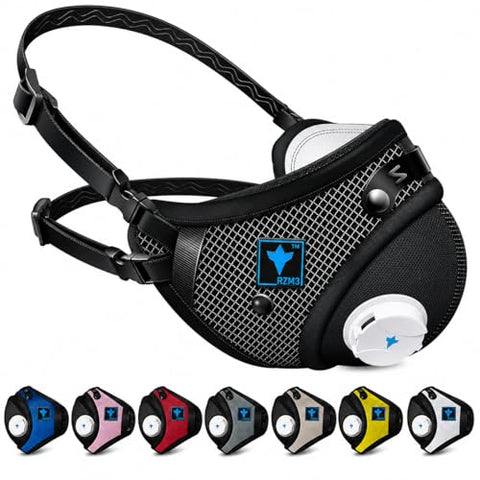
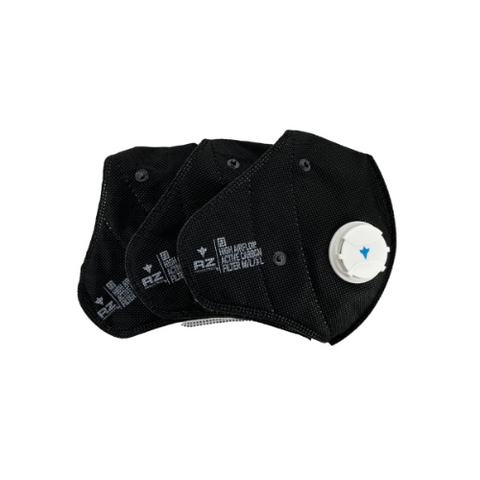
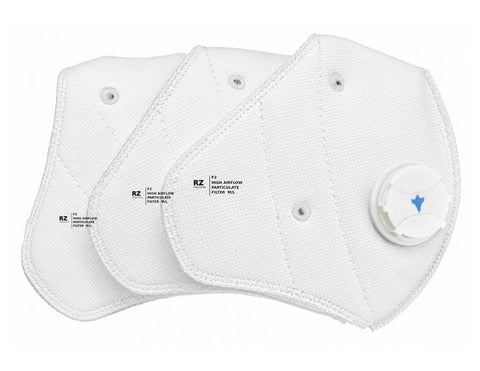
Confirm the exact certified configuration and country of use before purchasing. European classifications do not establish United States approval.


Matching replacement filter
$22.99 USD
Details and subscription options →
Matching replacement filter
$26.99 USD
Details and subscription options →Keep the reusable mask in service according to its instructions and replace the matching filters when required. For certified respirator configurations appropriate to the same task and market, explore equipment and filter spending with the cost calculator.
Open the ROI and filter cost calculator →Connect with the right team
Customer service and sales use separate forms so your request reaches the right place.
Please complete the fields marked required. You can leave the others blank.
You can also email RZ Sales. No request has been submitted.
RZ will use your contact details and request to respond. Marketing emails are optional and require a separate signup or opt-in. Privacy policy.