Identify the hazard
Start with what is in the air, how much is present, how long the work lasts, and whether oxygen may be limited. The hazard determines which type of protection is appropriate.

Breathe Safe®
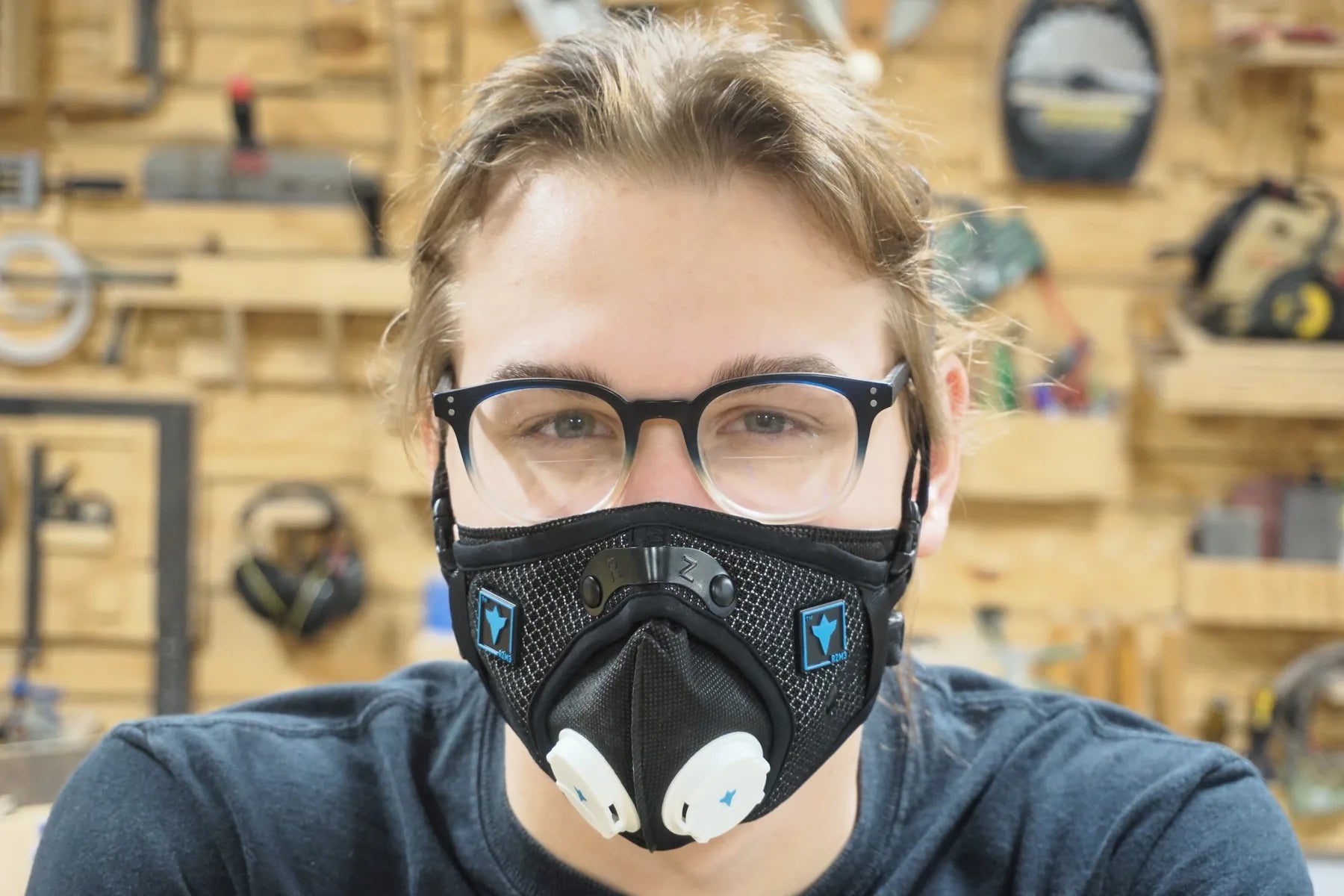
Workplace respiratory protection
Filtration matters, but it is not the whole decision. The respirator must match the hazard, fit the individual wearer, seal correctly, and be used as part of the employer's respiratory protection program.
The complete protection decision
A respirator can only help when the product, the hazard, the wearer, and the way it is used all line up. These four checks create a clear place to begin.
Start with what is in the air, how much is present, how long the work lasts, and whether oxygen may be limited. The hazard determines which type of protection is appropriate.
Match the respirator, filter, cartridge, and current approval status to the actual workplace need. A particulate filter does not protect against every gas, vapor, or unknown atmosphere.
When a tight fitting respirator is required, the wearer must be fit tested with the same make, model, style, and size that will be used on the job.
A user seal check is a quick check performed each time the respirator is put on. It helps the wearer confirm that the facepiece is seated correctly before entering the work area.
Two checks with different jobs
Both matter for tight fitting workplace respirators, but they happen at different times and answer different questions.
A fit test evaluates the seal between the wearer and a specific make, model, style, and size. OSHA requires it before initial use, when a different facepiece is used, and at least annually for required tight fitting respirators.
The wearer performs this quick check every time the respirator is put on. It can identify a seating problem, but it does not replace the formal fit test.
Where protection can break down
OSHA guidance makes the larger point clear. Selection, fit, use, training, care, and program oversight work together.
A strong filtration claim does not make one respirator appropriate for every atmosphere. Selection begins with the workplace hazard.
Faces differ. One tight fitting model or size will not provide an acceptable fit for every person.
Facial hair, eyewear, hair, or other items can interfere with the sealing surface and allow contaminated air to leak around it.
Training, putting the respirator on correctly, checking the seal, maintenance, cleaning, and storage all affect protection.
Official OSHA resources
These official resources explain employer responsibilities, respirator types, fit testing, seal checks, training, and care in greater detail.
What professional buyers should expect from RZ
Professional credibility starts with telling buyers exactly what a product is, which evidence supports it, where its approval stands, and which use questions still require a qualified workplace safety decision.
RZ is building its professional platform around fit, usability, product specific documentation, and precise claim language so the public promise never outruns the proof.
This page summarizes selected OSHA respiratory protection requirements for educational purposes. It does not replace the full standard or a workplace specific safety assessment. Employers are responsible for complying with applicable federal or State Plan requirements. OSHA does not endorse RZ Industries or any specific product.
For safety leaders and professional buyers
Ask RZ for the current product status, supporting documents, fit and use information, or a qualified conversation about the next responsible step.
Connect with the right team
Customer service and sales use separate forms so your request reaches the right place.
Please complete the fields marked required. You can leave the others blank.
You can also email RZ Sales. No request has been submitted.
RZ will use your contact details and request to respond. Marketing emails are optional and require a separate signup or opt-in. Privacy policy.