
Why a Reusable Dust Mask Outperforms Disposable for Woodworking, Farming, and Outdoor Use
If you use a dust mask once a year, disposable is fine. Grab a paper mask, use it, toss it.
But if you're in the shop every weekend, working the farm through harvest season, riding trails all summer, or spending regular time in dusty outdoor environments — disposable masks are the wrong tool for the job. They're designed for single use. You're not a single-use person.
Here's the honest comparison between reusable and disposable dust masks for people who actually use them regularly — and why the RZM3 has been the standard for serious everyday dust protection since 2010.
The Comfort Problem with Disposable Masks
Disposable masks — paper dust masks and single-use N95s — have no active exhale management. Warm, moist exhaled air has nowhere to go except back into the mask interior or out through gaps at the edges. After 30 to 60 minutes of physical work, the inside of a disposable mask is warm, damp, and uncomfortable.
Most people pull them down. Most people take them off. A mask that isn't being worn isn't providing any protection.
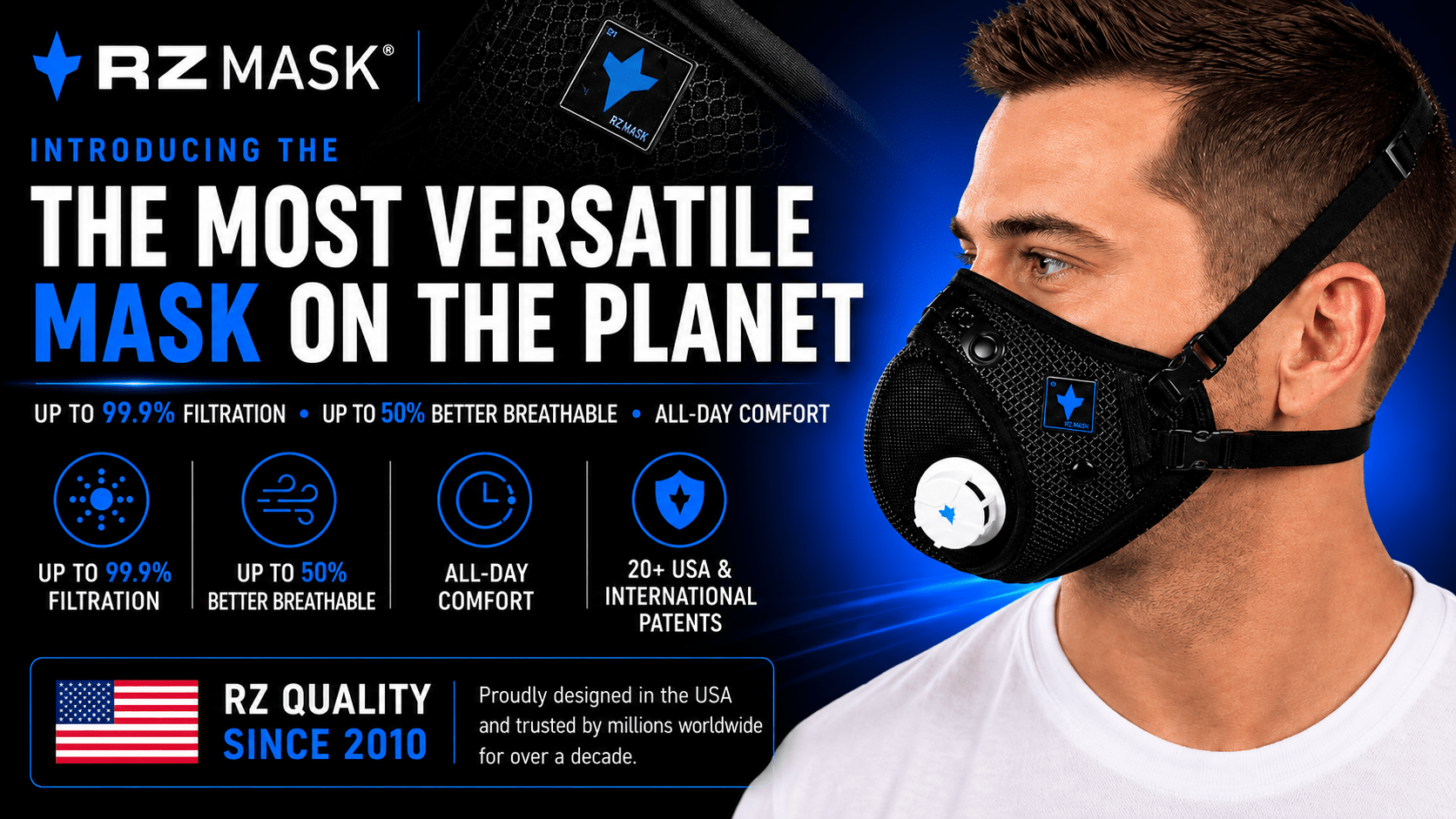
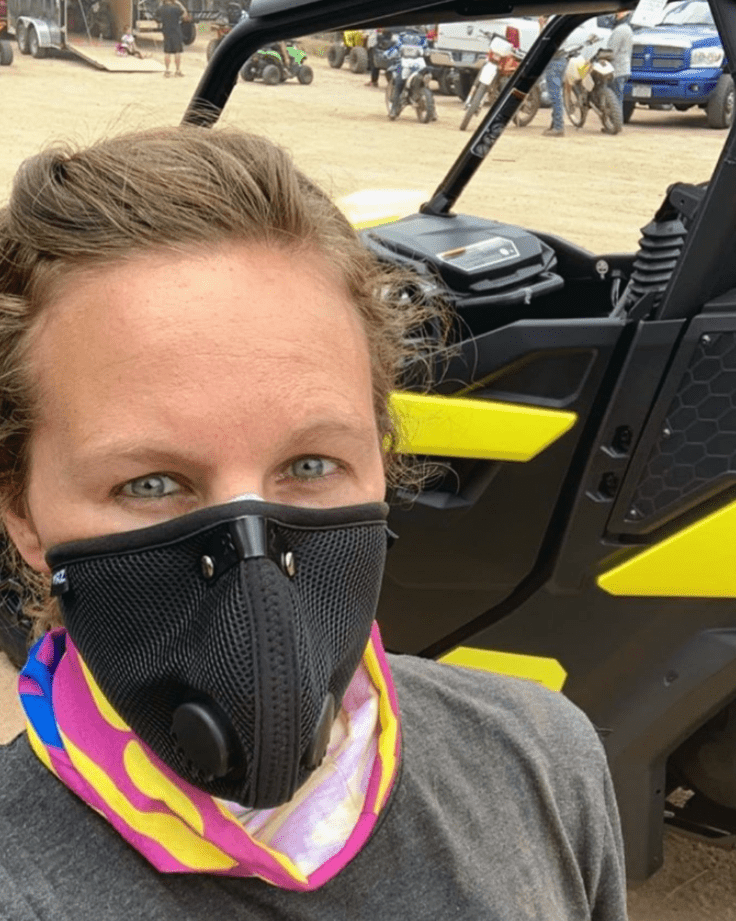
The RZM3 uses dual one-way discharge valves that actively exhaust warm exhaled air with every breath — keeping the mask interior cooler and drier through long shop sessions, full days in the field, and extended outdoor use. The result is a mask people actually keep on. That's the entire point.
The Fogging Problem with Disposable Masks
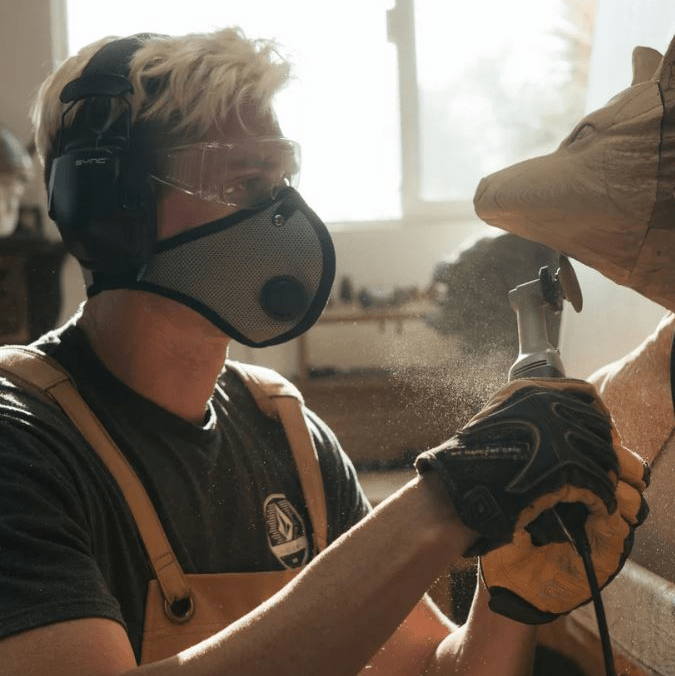
For anyone who wears safety glasses or goggles while working — woodworkers, hobby farmers, outdoor enthusiasts — disposable masks create a persistent fogging problem. Warm exhaled air escapes upward through gaps at the nose bridge and fogs lenses. Most people respond by pulling the mask down to clear their vision.
The RZM3's adjustable nose clip and dual discharge valves work together to help direct exhaled air downward and away from lenses — significantly reducing the fogging that causes people to remove their mask mid-task. For more details on how this works for your specific setup, contact us directly.
The Cost Problem with Disposable Masks
Single-use N95 masks cost $1 to $3 each. For a hobbyist woodworker who spends two days a week in the shop, that's potentially 100+ masks per year — $100 to $300 annually, just in masks. For a farmer working through a full harvest season, the numbers are similar or higher.
A reusable mask with replaceable filters is significantly more cost-effective for anyone who uses respiratory protection regularly. The RZM3 shell is built to last multiple seasons. Replace the filter as needed. The math favors reusable for any regular user.
The Fit Problem with Disposable Masks
Disposable masks are designed for a generic face. They're not adjustable in any meaningful way. The nose clip on most paper masks is a thin wire that provides minimal customization. The result is a mask that fits some faces adequately and most faces poorly.
Poor fit means gaps. Gaps mean unfiltered air bypasses the filter entirely. A disposable mask with a poor seal provides far less real-world protection than its filtration rating implies.
The RZM3's adjustable nose clip is engineered to be shaped precisely to the individual wearer's nose profile. The 360° perimeter seal and patented three-strap system work together to maintain that seal through bending, lifting, and active physical work. This is the RZ SECURE 360 Seal™ — and it's what makes the RZM3's filtration rating mean something in real-world use.
Where Reusable Wins for Woodworking
Hobby woodworking and home shop use is one of the most common environments where people underestimate their dust exposure. Fine wood dust from sanding, routing, and cutting — especially MDF, plywood, and hardwoods — is among the finest particulate matter generated in any hobby environment.
A disposable mask worn for a two-hour sanding session is uncomfortable, fogs safety glasses, and gets pulled down. The RZM3 stays on through the full session because it's comfortable enough to wear. See the full Woodworking Respiratory Protection Guide for more.
Where Reusable Wins for Farming and Agricultural Lifestyle Use
Grain dust, pollen, hay dust, and general farm particulates are a constant presence through planting and harvest seasons. For farmers and agricultural lifestyle users who spend full days outdoors in dusty conditions, a disposable mask that becomes uncomfortable after an hour is not a practical solution.
The RZM3 is built for all-day wear in exactly these conditions. Replaceable filters mean the mask stays effective through extended use. See the Agriculture Respiratory Protection Guide for more.
Note: For regulated agricultural workplace environments, consult your safety officer regarding applicable standards. Where voluntary use of non-NIOSH-certified masks is permitted under an employer's respiratory protection program, contact us for guidance.
Where Reusable Wins for Outdoor Recreation
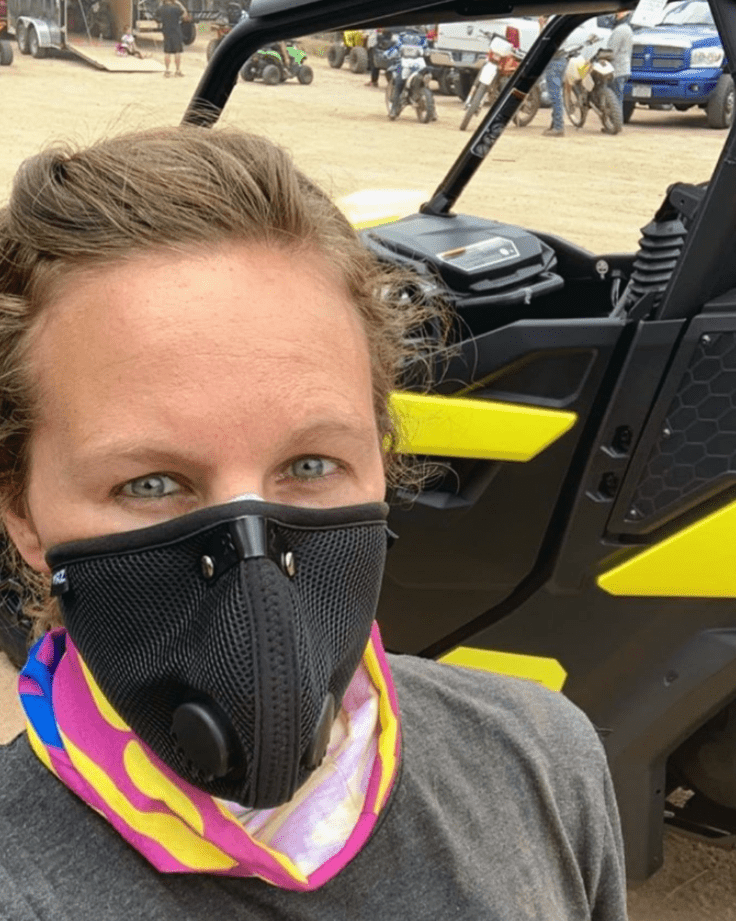
Pollen season, wildfire smoke, trail dust, and general outdoor air quality concerns affect millions of people who spend regular time outdoors. Disposable masks are a one-and-done solution for occasional use. For regular outdoor enthusiasts — hikers, hunters, ATV and UTV riders, and anyone who spends significant time in dusty or high-pollen environments — a reusable mask with replaceable filters is the practical, cost-effective choice.
See the Hunting Guide and Powersports Guide for environment-specific guidance.
The Bottom Line
For occasional use, disposable is fine. For regular use — woodworking, farming, outdoor recreation, or any environment where you're reaching for a mask more than a few times a year — reusable wins on every practical measure: comfort, fit, cost, wearability, and waste.
The RZM3 has been the standard for serious everyday dust protection since 2010. Explore the full lineup or contact us with any questions about which mask is right for your environment.
Shop the RZM3 | RZ Pro FFP2 | RZ Pro FFP3
RZ Mask products are designed for general particulate filtration and organic odor reduction. The RZM3 is not a NIOSH-certified respirator. Not intended to satisfy occupational respiratory protection requirements. Consult your safety officer for workplace-specific guidance.





RZM3 vs. Custom RZM2 Nylon Flame: Which RZ Mask Is Best for ATV & UTV Riding?
Why Paper Masks Fog Your Safety Glasses — And What to Do About It