
RZ Insider · Workshop know-how
Understand what your extractor catches, what room filtration does, and where personal protection fits into your woodshop routine.
You may still need respiratory protection even with a dust collector. Extraction reduces dust at its source, but owning a collector does not prove your exposure is controlled. The task, material and remaining exposure determine the protection you need.
You connected the hose, emptied the collection bin and switched on the ceiling air cleaner. The shop looks better. It is reasonable to wonder whether wearing a mask is still necessary.
The useful question is not simply, “Do I own a dust collector?” It is, “What dust is this task producing, and how effectively am I controlling it?” Start there before choosing equipment or deciding what to take off.
Dust collector, air cleaner and respirator: what is the difference?
These tools work in different places. Treating them as interchangeable can leave an important gap in your setup.

| Equipment | Its job | What to check |
|---|---|---|
| Tool extraction or dust collector | Capture dust near the cutting or sanding point. | The right hood, connection and airflow for that machine. |
| Workshop air cleaner | Filter room air that moves through the unit. | Manufacturer guidance on placement, airflow and filter care. |
| Suitable respiratory protection | Address the wearer's exposure when properly selected and used. | The hazard, required approval, fit and product instructions. |
NIOSH places elimination, substitution and engineering controls ahead of personal protective equipment in its hierarchy. In practice, improve the dust control rather than using a mask as a reason to leave extraction disconnected. Read the NIOSH hierarchy of controls.
Build your workshop around three different jobs
Start with the tools you actually use. Write down each machine, its dust-port size and the extraction requirements in its manual. Then measure your room and plan how you will clean it. This gives you a useful shopping list instead of three unrelated purchases.
1. Capture at the source: connect collection to the tool
What you can get: a portable dust extractor for compatible handheld tools, or a machine dust collector and suitable ducting for stationary equipment. A small-port palm sander and a large-port planer can need very different extraction setups. A connector that physically fits does not establish that the required airflow is available.
For a handheld sander, look for a compatible hose and compact tool connector, filtration specified for the dust, and accessible replacement filters and collection bags. Tool-triggered automatic start can make using extraction more convenient. For stationary machines, give the collection supplier the machine requirements, duct layout and number of tools that will run together. Ask about airflow at the machine, not just the collector’s headline rating.
- Connect to the designated extraction port or manufacturer-approved hood. Keep guards in place.
- Use the specified hose diameter and a practical route without crushed sections or unnecessary bends. Keep the hose out of the tool’s travel and walking paths.
- Install the specified bag and filter, check the collection capacity, and confirm that fittings are secure.
- Start extraction before creating dust. Use the equipment’s airflow indicator or recommended checks; stop and investigate a sudden loss of collection.
A separator can collect debris before it reaches the main filter, but it adds components and resistance. Check compatibility with the extractor and tool. It does not replace the final filter. HSE explains how machine requirements and workshop layout affect extraction. See an example of a portable extractor and its hose connection.
2. Filter room air: plan circulation as well as capacity
What you can get: a workshop air-filtration unit designed for the dust and room, either ceiling-mounted or positioned as its instructions allow. Compare filtration specifications, airflow at the speed you expect to use, noise, replacement-filter cost and mounting requirements. A unit you leave off because it is too loud will not help.
Measure room volume: length × width × height. For example, a 20 × 20 × 8 ft workshop contains 3,200 cubic feet. A unit moving 400 cubic feet per minute would provide a theoretical 7.5 room volumes per hour: 400 × 60 ÷ 3,200. That is a sizing comparison, not a recommended target or a prediction that all dust will disappear. Real circulation, obstructions and filter loading affect results.
- Follow the manufacturer’s placement and clearance instructions. Keep the inlet and outlet unobstructed and leave room to service filters.
- For overhead installation, use the specified hardware and structural support rated for the load. Do not hang a heavy unit from ceiling tiles or drywall alone.
- Plan circulation around the actual room layout. The unit only treats air that reaches it; do not assume mounting it directly above the sander captures dust at the tool.
- Maintain filters and follow the unit’s operating guidance during and after dusty work. A timer is convenient, but it does not measure exposure or establish a safe removal time for protective equipment.
3. Equip the wearer: start with the task, then fit the mask
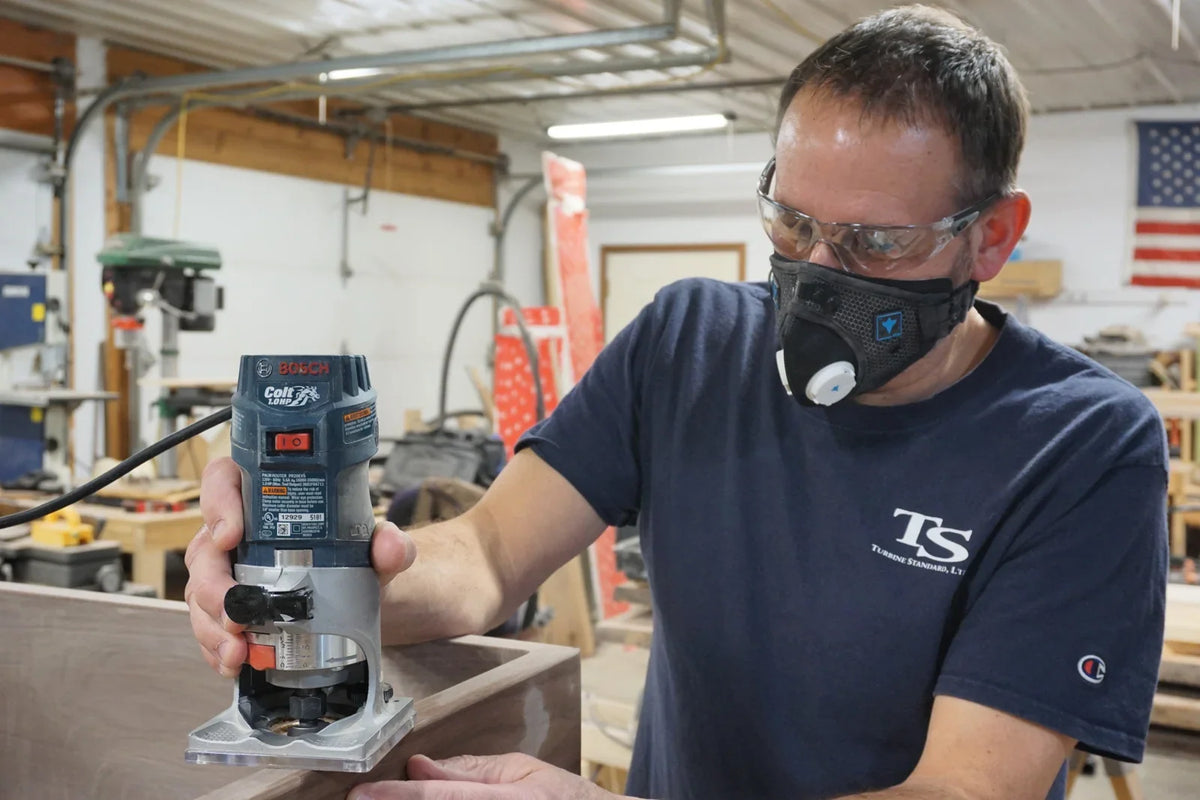
Considering an RZ mask? RZM3 is the model to explore first for its reusable shell, replaceable matching F3 filters and three strap configurations. These features let you choose how you wear it and maintain a supply of matching filters. They do not replace effective extraction or establish suitability for every dust or workplace.
- Identify the material and task, including coatings or chemicals, and check the exact product’s instructions and limitations.
- Measure and select the correct size. Adjust the nosepiece and straps using the fitting instructions.
- Check the arrangement with your usual eyewear and hearing protection. Stop and move out of the dusty area before making adjustments.
- Inspect the shell and filter before use. Keep matching spare filters on hand and follow replacement and care instructions.
Explore RZM3 and matching filters → Choose your size · Adjust the fit · Set up with glasses
A useful starting plan for your shop
Mainly handheld sanding? Begin by matching a dust extractor, hose and filters to that sander. Adding a planer or other stationary machinery? Revisit the collection requirements instead of assuming the same small hose will do. Working in an enclosed room? Evaluate room filtration alongside source extraction. In every case, choose personal protection for the task and plan vacuum cleanup, filter servicing and collection-bin emptying.
Before you buy, keep one page with your tool requirements, room dimensions, available power, hose route, filter part numbers and maintenance instructions. Update it whenever you add a machine. That is a workshop plan you can return to.
Why can there still be dust when the collector is running?
The hood has to capture dust where it is generated. A running motor and a hose somewhere near the bench do not establish effective collection. OSHA recommends locating exhaust hoods close to the source and maintaining collectors and ductwork. Loose connections, damage or a poor hood arrangement deserve attention. See OSHA's wood-dust control guidance.
Picture a sander connected to an extractor. Before assuming the setup is working as intended, check the tool's instructions, the connection and the condition of the collection system. Repeat that check when the tool or setup changes. A system that works at one machine is not automatically right for another.
For circular saws, NIOSH's research examined capture below and above the table. The practical lesson is that hood design matters, not just collector size. Do not modify a blade guard or build an extraction attachment without appropriate manufacturer guidance. Read NIOSH's table-saw dust-control publication.


Does a ceiling air filter replace a dust mask?
A room air cleaner is a different tool from extraction at a machine. It treats air after that air reaches its filter. It does not establish what you breathed while the dust travelled through the room.
Avoid choosing between “collector or mask” as if only one can belong in the workshop. Plan source control, room-air management and any necessary respiratory protection around the work. Follow the air cleaner's own instructions; there is no universal run time that makes every shop safe after sanding.
A practical dust-control routine before, during and after the job

Before you start: identify the material and check the setup
Write down what you are cutting or sanding, including any coating. Bare wood, painted surfaces and finishing chemicals raise different questions. Unknown old coatings are a reason to identify the hazard before disturbing them.
Check the machine's extraction requirements, secure the hose and inspect accessible parts using the manufacturer's safe shutdown procedure. Resolve a damaged connection or an unexplained loss of collection before continuing. Keep the instructions for the tool, collector and protective equipment together so the next check is easier.
Check the extraction path
At the tool
Check the connection to the tool’s dust extraction port.
Along the hose
Look for loose connections, damage and blockages.
At the collector
Service the filter and bin as the manufacturer directs.
During the job: notice what changes
Pause if dust collection suddenly worsens. Find the cause rather than tightening your mask and carrying on. If eyewear fogs or the mask shifts, move out of the dusty area before adjusting it.

After the job: collect the dust without sending it back into the room
Cleanup is part of the task. HSE's wood-dust guidance warns against dry sweeping and compressed-air cleaning because they disturb settled dust. Use a suitable dust-extraction vacuum and follow its instructions for collection, filter servicing and disposal. HSE specifies Class M industrial vacuum equipment in its UK guidance; local workplace requirements may differ. Read HSE's extraction and cleanup guidance.
Plan collector emptying and filter servicing too. Opening a full bin is not the same activity as using a closed collection system. Follow the equipment's procedure and assess the protection required for maintenance.
Collect the dust. Keep it out of the air.
Collect
Use a vacuum suitable for the dust and follow its instructions.
Avoid: scattering dust
Do not dry sweep or blow settled dust with compressed air.
How do you choose suitable respiratory protection for woodworking?
Begin with the hazard and the task, then the exact product. In US workplaces where respiratory protection is required, OSHA calls for suitable respirators within a respiratory protection program, including applicable medical evaluation, fit testing and training. Tight-fitting respirators must seal to the wearer; facial hair at the sealing surface can interfere. Review OSHA's respiratory protection standard.
Choose protection for the task. Where workplace rules require an approved respirator, select equipment with the required approval through your respiratory-protection program. A particulate mask is not a substitute for equipment selected for solvent vapors, hazardous coatings or unknown contaminants. Review RZ's woodworking product guidance.
For an appropriate RZM3 application, use its instructions to select the size, position the mask and adjust the straps and nosepiece. Check it with your usual eyewear. Comfortable adjustment is useful; clear glasses alone do not prove a protective seal or an exposure level.

RZM3 fitting and strap guide → Help with glasses and fogging →


Keep the filter ready for the next project
Inspect the RZM3 filter before use. Replace it if dirty, damaged or noticeably harder to breathe through, and follow any earlier requirement in the product instructions. Remove the filter before washing the reusable shell. A filter delivery schedule is a way to manage spare supply, not a guarantee of filter life. Read RZ's filter replacement and care answers.

Find the filter for your exact mask and size →
RZ in the workshop
Quick answers to common workshop questions
Is a shop vacuum the same as a dust collector?
Do not choose by the label alone. Check whether the machine, hose, hood and extraction equipment are designed to work together. Compare the tool manufacturer's requirements with the extractor's specifications.
Do I still need protection for a quick sanding job?
A short task is not automatically a low-exposure task. Check the material, dust generation and controls before starting. HSE identifies sanding as a dusty job that may need suitable respiratory protection alongside extraction.
How long should I wait before removing my mask?
No single number fits every shop. Remaining dust depends on the work and controls. Leave the dusty area before removing or adjusting equipment, and follow the product instructions and any workplace procedure.
Will an activated-carbon dust-mask filter protect me while spraying finish?
Do not assume it will. Odor management and approved protection against gases or vapors are different claims. Use the finish's safety information and hazard-specific guidance to select suitable equipment.
Start with the job. Build the setup around it.
Keep extraction connected, maintain the equipment and plan cleanup. Then select personal protection for the material, exposure and required standard. If you are unsure which RZ product fits the application, tell us what you are working on.
Ask RZ a product question →Sources and further reading
- OSHA: wood dust and local exhaust ventilation
- NIOSH: hierarchy of controls
- NIOSH: control of wood dust from table saws
- HSE: extraction, sanding and cleanup (UK guidance)
- OSHA: respiratory protection standard
- RZ: woodworking product guidance
- RZ: filter replacement and care
- RZ: fitting and eyewear guidance

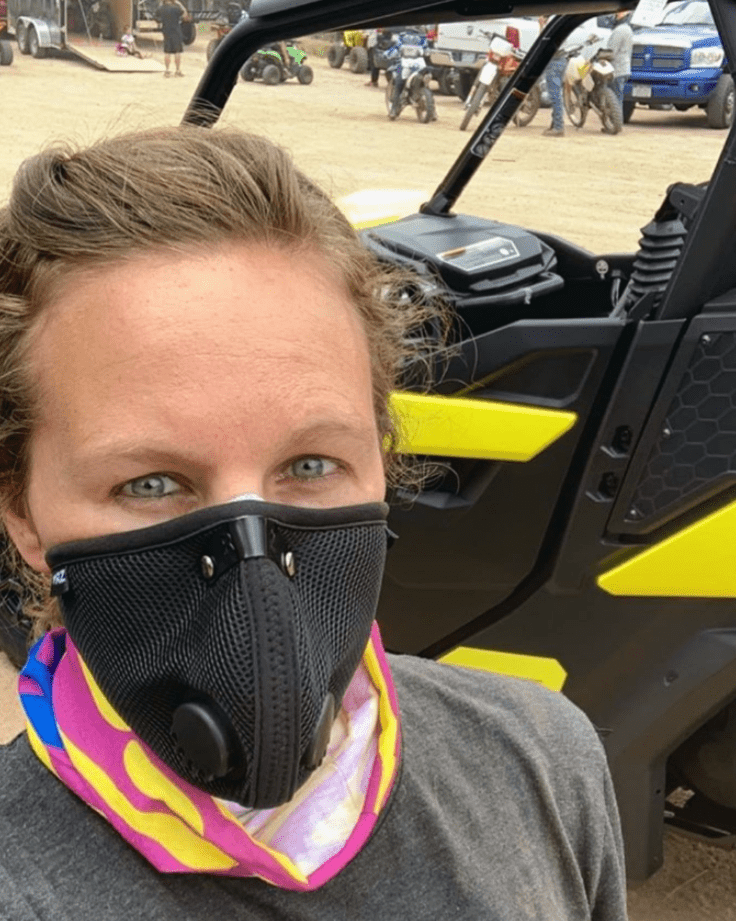




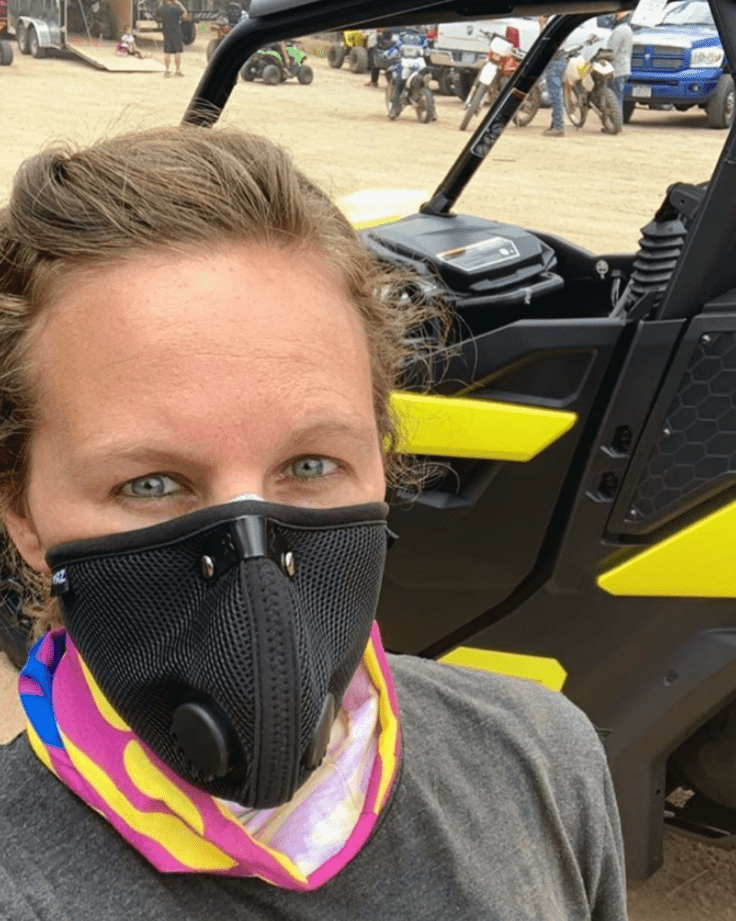

You Wouldn’t Sell a Shovel With a Six-Inch Handle. Rethink Your Dust Mask Aisle.