
Why Mask Seal Quality Matters More Than Filtration Rating
Here's something most mask marketing doesn't tell you: a 99% filtration rating is completely meaningless if your mask doesn't seal against your face. Every gap — at the nose bridge, along the cheeks, under the chin — is an unfiltered air pathway. Fine dust, allergens, and airborne particles don't wait for the filter. They take the path of least resistance straight into your airways.
Seal quality is the single most important — and most overlooked — factor in real-world respiratory protection. This guide explains why, what makes a seal fail, and how the RZM3 premium reusable mask is engineered to create a complete, consistent seal that holds through real work.
Why Filtration Rating Alone Doesn't Protect You
Filtration ratings — N95, 99.9%, FFP2, FFP3 — measure how effectively the filter material captures particles when air passes through it. But that rating only applies to air that actually passes through the filter. Air that bypasses the filter through gaps around the mask edges is completely unfiltered — regardless of what the filter is rated at.
Research from the University of Cambridge has shown that proper fit of a face mask is more important than the filter material itself. A well-fitted mask with a moderate filter outperforms a high-rated filter in a poorly fitted mask — because the poorly fitted mask allows significant unfiltered air bypass with every breath.
This is why the CDC and NIOSH emphasize fit testing for respirators in professional environments. Fit matters. Seal matters. And for most users, seal quality is where their current mask is failing them.
Where Masks Fail to Seal — And Why
The Nose Bridge Gap
The most common seal failure point is the nose bridge. The human nose varies enormously in shape, width, and profile — and most masks use a thin, generic metal strip that bends to approximate your nose shape without creating a true, complete seal. The result is a gap that channels unfiltered air directly into your breathing zone with every inhale — and warm exhaled air upward into your safety glasses with every exhale.
Cheek and Perimeter Gaps
Paper dust masks and many disposable respirators are designed to a generic face shape. For anyone whose face doesn't match that template — which is most people — gaps form along the cheeks, jaw, or chin. These gaps allow unfiltered air to enter freely, bypassing the filter entirely.
Seal Degradation During Movement
Even a mask that seals reasonably well at rest can lose its seal during physical work. Bending, lifting, turning, and talking all change the geometry of your face relative to the mask. A mask that relies on two elastic straps for tension often shifts and gaps during active movement — exactly when you're generating the most dust and need protection most.
Moisture and Heat Buildup
Masks without active exhaust valves trap heat and moisture inside. As the interior becomes warm and humid, the mask material softens and the seal can degrade over time. The longer you wear a mask without discharge valves, the worse the seal performance typically becomes.
What a Proper Mask Seal Actually Requires
A True Adjustable Nose Clip
Not a thin metal strip — a proper adjustable nose clip that can be shaped precisely to the individual contours of your nose bridge, creating a complete seal across the full width of your nose. This is the single most important structural element in preventing unfiltered air bypass at the top of the mask.
A 360° Perimeter Seal
The mask needs to make complete, consistent contact with your face around its entire perimeter — not just at the nose and chin. Any gap anywhere in the perimeter is an unfiltered air pathway. The mask material and shape need to conform to a wide range of face shapes without relying on the user to force a fit that isn't there.
A Strap System That Holds Through Movement
The strap system needs to maintain consistent tension and mask position through bending, lifting, turning, and extended wear. Two-strap systems that rely on ear loops or a single head strap often allow the mask to shift during active physical work. A three-strap system distributes tension more evenly and maintains mask position more consistently through movement.
Active Exhaust to Maintain Seal Integrity
Dual one-way discharge valves actively exhaust warm, moist exhaled air with every breath out — preventing the heat and moisture buildup that degrades seal quality over time. They also prevent the pressure buildup inside the mask that forces exhaled air through gaps, which is both a seal integrity issue and the primary cause of safety glasses fogging.
How the RZM3 Is Engineered for Seal Quality
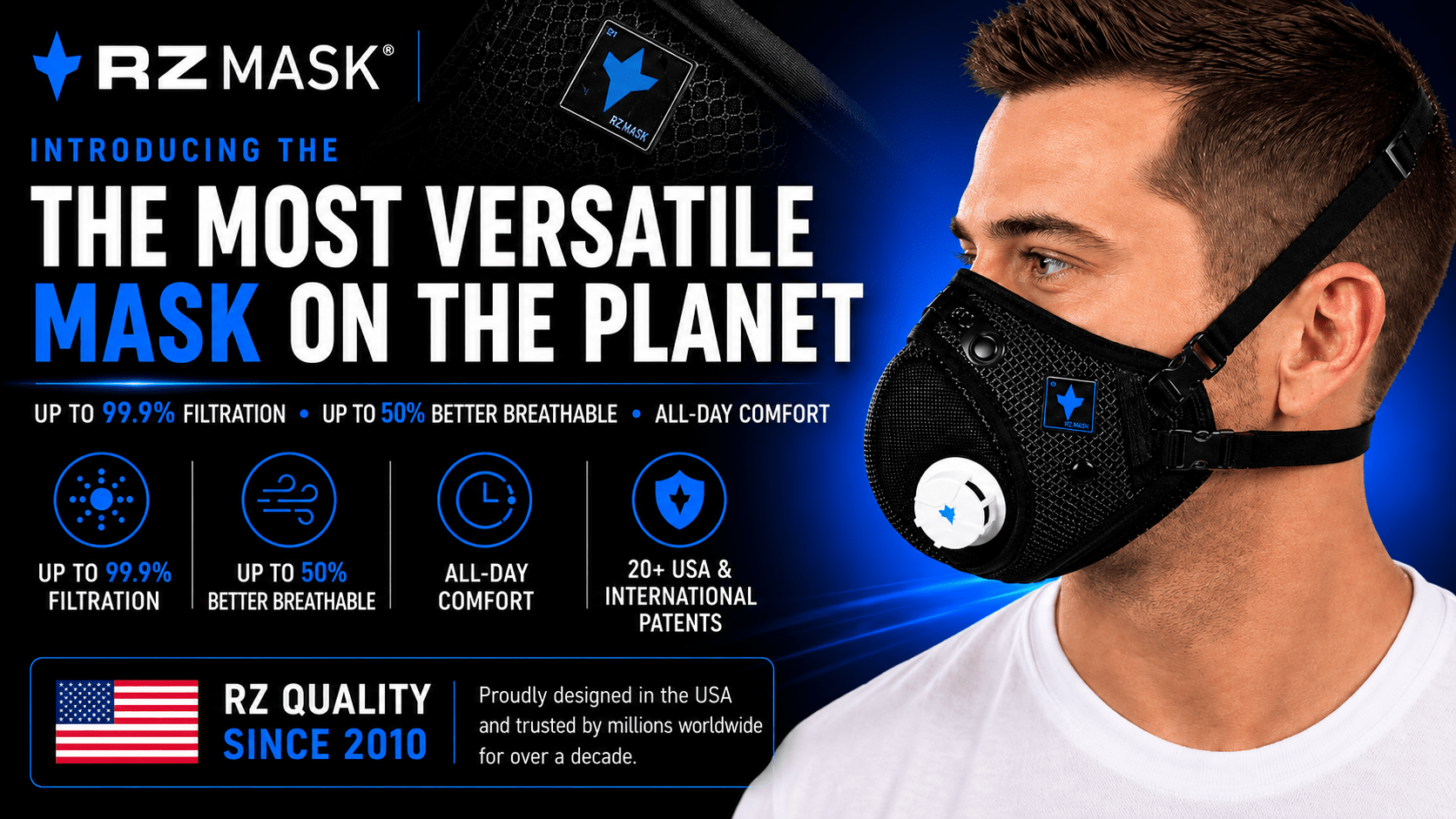
The RZM3 three-strap reusable mask is built around seal quality as a primary design objective — not an afterthought.
Adjustable Nose Clip
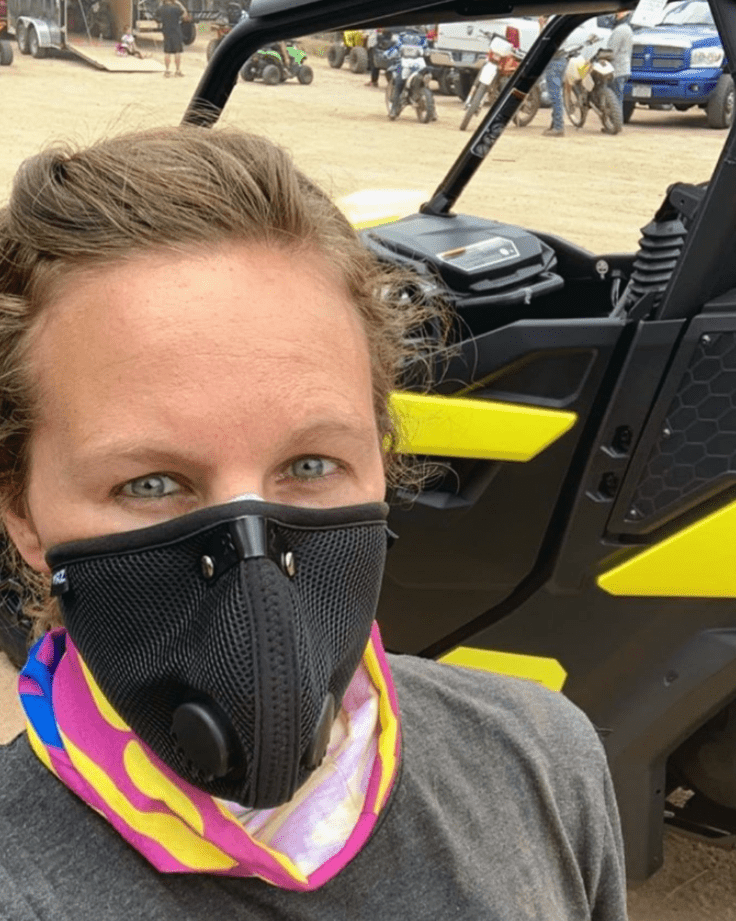
The RZM3 includes a proper adjustable nose clip engineered to be shaped precisely to your individual nose profile. Properly fitted, it creates a complete seal across the full width of your nose bridge that holds through movement and extended wear — directing every exhaled breath downward through the discharge valves, not upward into your lenses.
360° Perimeter Seal Design
The RZM3's shell is designed to create a complete perimeter seal against a wide range of face shapes. The flexible material conforms to facial contours without requiring the user to force a fit — creating consistent contact around the full perimeter of the mask.
Patented Three-Strap System
The RZM3's patented three-strap system distributes tension evenly across the mask, maintaining consistent position and seal through bending, lifting, turning, and extended physical work. It adapts to three wearing configurations — ear loops, single head strap, and dual head strap — for compatibility with helmets, balaclavas, and different work environments.
Dual One-Way Discharge Valves
Dual discharge valves actively exhaust warm, moist exhaled air downward and away from your face with every breath out. This prevents heat and moisture buildup that degrades seal quality over time, eliminates the pressure buildup that forces air through gaps, and keeps safety glasses and goggles clear of fogging.
Advanced Filtration Down to 0.1 Micron
With the seal system working correctly, the RZM3's filter captures particles down to 0.1 micron — including fine wood dust, construction dust, allergens, and many airborne particles. The active carbon layer helps reduce organic odors from finishing products, smoke, and organic compounds. Filtration that actually reaches your airways — because the seal ensures air passes through the filter, not around it.
Best RZ Mask for Seal-Critical Environments
For Most Work and Outdoor Environments: RZM3
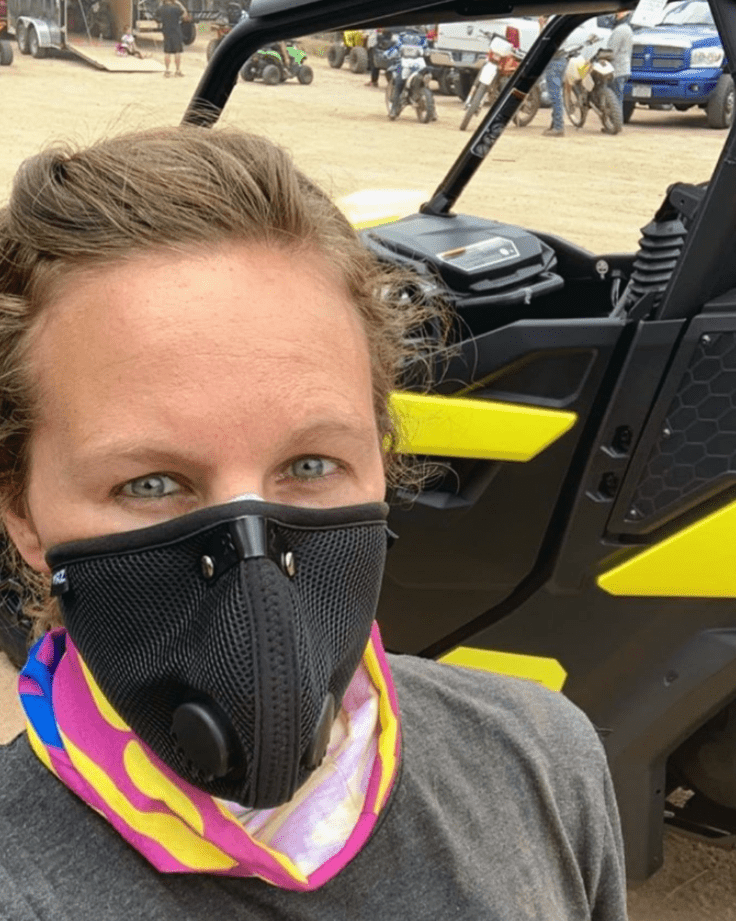
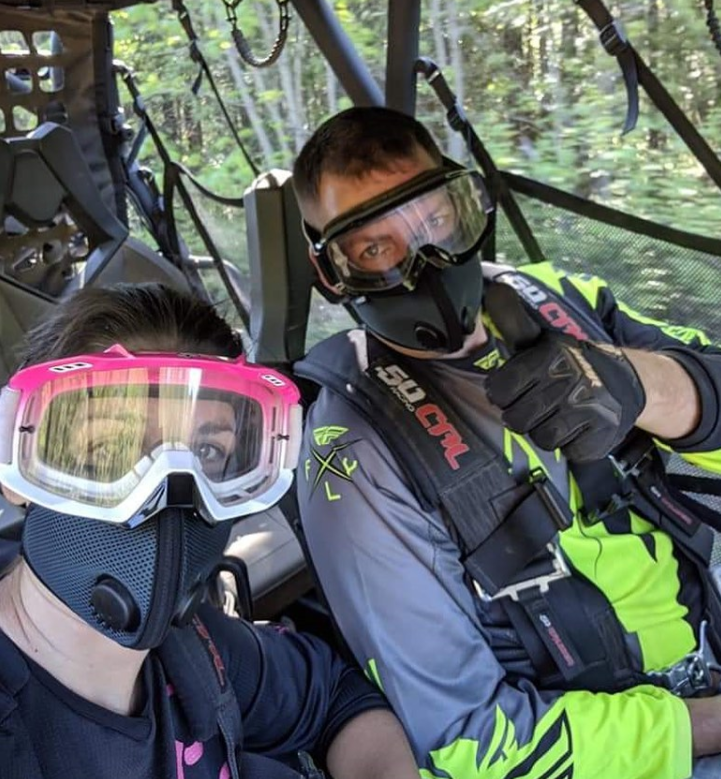
The RZM3 premium reusable mask is the right choice for woodworkers, construction workers, landscapers, ATV and UTV riders, and outdoor workers who need a complete, consistent seal through active physical work.
For High-Exertion and Aerobic Activity: RZ Airflow
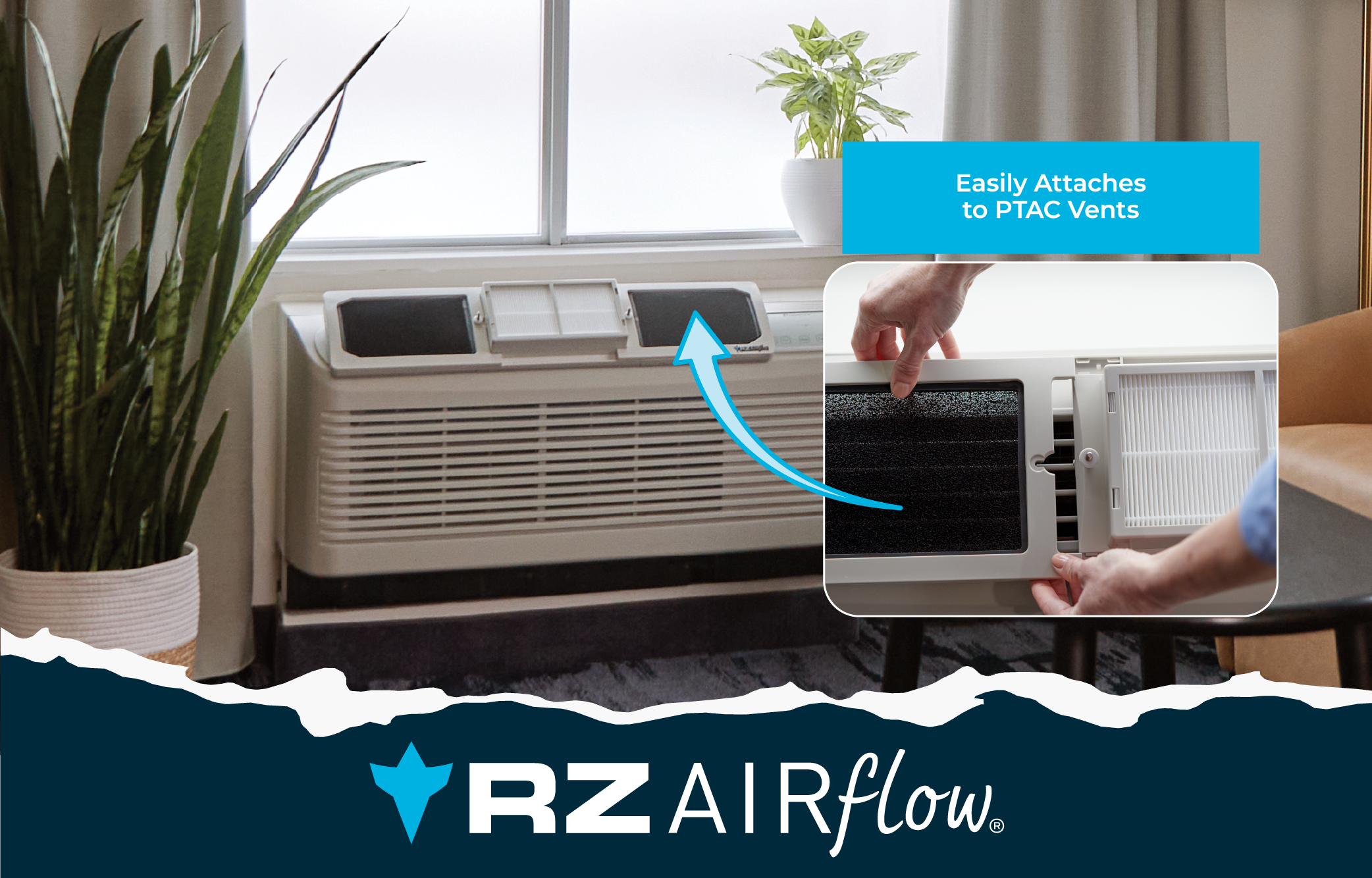
The RZ Airflow breathable mask delivers the same seal design principles in a comfort-focused, high-airflow format for users who prioritize breathability during physically demanding or aerobic activity.
For Certified Professional Environments: RZ Pro FFP2 and FFP3
For professional environments where certified respiratory protection is required by regulation or employer policy, the RZ Pro FFP2 certified respirator and RZ Pro FFP3 certified respirator provide certified protection with the same commitment to seal quality and fit. These are the right tools when compliance documentation matters alongside real-world seal performance.
Frequently Asked Questions: Mask Seal and Fit
How do I know if my mask is sealing properly?
A simple check: cup your hands over the mask and exhale sharply. If you feel air escaping around the edges — especially at the nose bridge or cheeks — your mask is not sealing. You should feel air exiting only through the discharge valves (if present) or through the filter material. Any perimeter leakage means unfiltered air is entering on inhale through the same gaps.
Why does my mask fog my glasses if it has a nose clip?
A thin metal nose strip approximates your nose shape but rarely creates a complete seal. Exhaled air escapes upward through the gap and fogs your lenses. The RZM3's adjustable nose clip is designed to be shaped precisely to your individual nose profile — creating a complete seal that, combined with dual discharge valves, directs exhaled air downward and away from your eyewear.
Does a tighter mask always mean a better seal?
No. A mask that's too tight can distort the seal material and actually create gaps. The goal is a mask that conforms to your face shape with consistent, even contact around the full perimeter — not one that's forced against your face with excessive pressure. The RZM3's three-strap system is designed to achieve this balance.
How does seal quality affect filter life?
A properly sealed mask directs all inhaled air through the filter, which means the filter captures particles as designed and loads evenly. A poorly sealed mask allows air to bypass the filter, which means the filter may appear to last longer — but it's because much of the air (and the particles in it) never passed through the filter at all.
When do I need a certified respirator for seal assurance?
For professional environments with regulatory requirements, certified respirators like the RZ Pro FFP2 or RZ Pro FFP3 are the appropriate choice. Certified respirators undergo standardized fit and filtration testing as part of the certification process. Consult your safety officer for guidance on your specific environment.
The Seal Is Where Protection Begins.
A mask that doesn't seal isn't protecting you — it's giving you the feeling of protection without the reality of it. The RZM3 breathable reusable mask is engineered from the ground up to create a complete, consistent seal through real work — so the filtration rating on the box actually means something when you put it on your face.
Explore the full RZ Mask lineup: the RZM3 premium reusable mask, the RZ Airflow comfort-focused mask, the RZ Pro FFP2 certified respirator, and the RZ Pro FFP3 certified respirator.
For respirator fit testing guidance, visit CDC/NIOSH Respirator Information. RZ Mask products are designed for general particulate filtration and organic odor reduction. For regulated workplace environments, consult your safety officer for appropriate certified PPE requirements.



Indoor Air Quality: The Complete Guide to What You're Breathing and How to Fix It
Why Electricians Need a Dust Mask: The Hidden Respiratory Hazards of Electrical Work
1 comment
I am a carpenter with an allergy mostly to Oak dust. Most dust masks do not seal very well so I have to use a powered respirator when cutting Oak. This is clumsy and uncomfortable particularly in hot weather. Would the vRZ mask be a better option?