
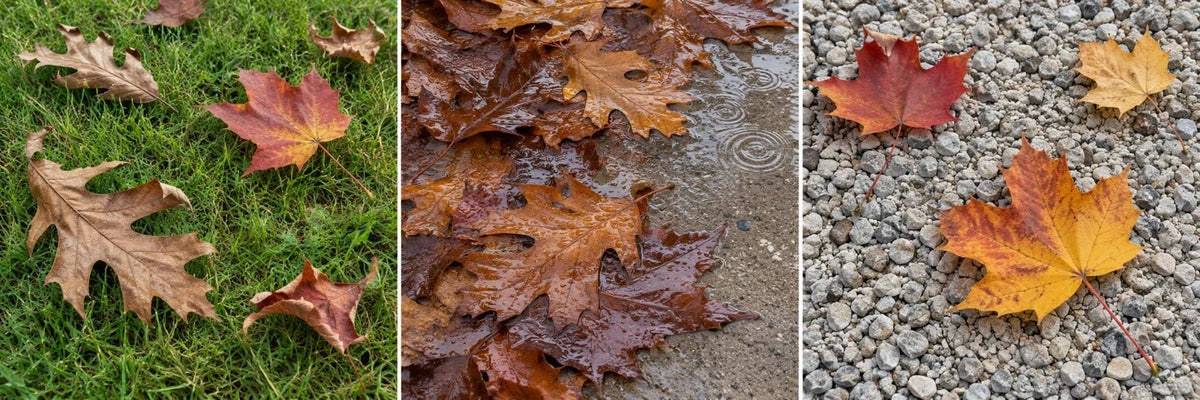
Start with a rake when wet leaves stick together or a blower would kick up grit. Use a blower for loose leaves that move easily at low speed. Choose a leaf vacuum when you actually need to collect a manageable pile and your machine allows that material. After rain, the question is less “How many hours should I wait?” and more “What’s under this top layer?”
After rain and mold · Choose a tool · A yard walkthrough
It rained. Does that mean the leaves are moldy?
Rain alone won’t tell you. Outdoors, molds help break down fallen leaves. A damp pile that has sat against a fence for weeks is a different cleanup job from scattered leaves that fell last night. The top can curl and dry while the layers underneath stay damp and pressed together. Outdoor mold spores can trigger symptoms for people with mold allergies or asthma.

Look at the edge of the pile without shaking it or leaning in to smell it. If the layers are stuck together, slide a rake beneath a small section and lift it directly into your yard-waste container. Skip the blower or shredder on an old, decomposing pile. If wind carries debris toward you, an open window, or someone nearby, pause. Dark color, a musty smell, or a dry surface cannot tell you the type or amount of mold present.
If raking or handling decaying leaves triggers your mold allergy or asthma, ask someone else to handle that pile. Follow your clinician’s asthma plan if you have one. If you start wheezing or feel short of breath, stop and move away. There’s no reason to finish the bag first.
Rake, blow or vacuum? Match the tool to the ground

Rake wet mats, small areas and gravel edges
A fan rake lets you lift leaves without driving a stream of air into the soil. Work in short strokes and collect small loads. On a wet walkway, clear a narrow walking path first and watch your footing. On gravel, skim the leaves off the surface so stones stay behind. If the lawn is soggy and you can leave it alone, come back when the ground is firm.
Blow loose, dry leaves toward a collection spot
Pick the destination before starting. Try the lowest speed that moves the leaves and work a short strip toward that spot. If you’re lifting bare soil, gravel or a cloud of dust, stop and switch tools. Keep the discharge away from people, pets, doors and windows. Follow the clearances and eye and hearing protection instructions for your particular blower. For ordinary airborne dust, a well-fitting particulate respirator can reduce what you breathe in. Check its fit before starting and follow its instructions.
Vacuum a small, sortable pile when collection is the goal
Check your leaf vacuum’s manual for wet-material limits. Remove stones, sticks and litter. Feed loose leaves gradually instead of pushing the intake into a packed mat. Bagging and emptying can still release debris. Set the bag down gently and empty it away from people. If the intake clogs, shut the machine off and disconnect power as the manual directs before clearing it.
One yard, three different decisions

- Front walk after a shower. Wet leaves are plastered to the pavement. Lift them with a rake and collect them where they lie.
- Open lawn the next afternoon. Loose leaves move easily. For a light layer, consider mowing them into small pieces once dry. If you need to collect them, gather them into a short windrow first.
- Back fence where leaves have accumulated. The top looks dry but the bottom comes up in a sheet. Leave the powered tool off here. Lift small sections or hand the task to someone else if mold is a trigger.
After an ordinary yard job, how do I care for my RZM3?
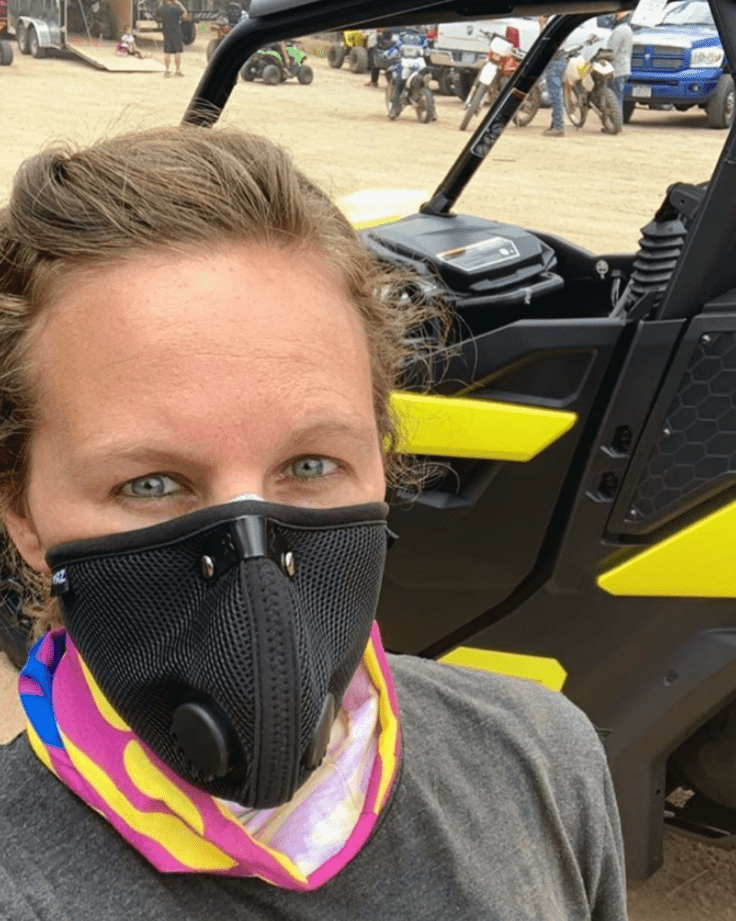
If you already wear an RZM3 for routine yard work, give the shell and filter separate attention when the work is done. Remove the filter. Hand-wash the reusable shell with mild soap and water, rinse it, and let it air-dry completely before putting it back together. Putting a damp shell straight into a closed gear bag traps moisture.

Check the matching filter before each use. Replace it if it is visibly dirty or damaged, or if breathing through it has become noticeably harder. If you think mold got on the filter during yard work, discard the filter and use a fresh one before your next routine yard job. Keep the filter out of the wash. See RZ’s cleaning and storage instructions for your exact model. For a job that requires respiratory protection, follow your employer’s equipment selection and respiratory protection program.
Quick answers before you head outside
How long should I wait after rain? Check footing and leaf condition. You can lift a wet mat off a walkway by hand tool while leaving a soggy lawn for later. Follow your machine’s moisture restrictions.
Do I need to remove every leaf? No. On a lawn, a light layer of dry leaves can often be mulched with a mower. If mats cover the grass, collect the excess. Keep walkways clear.
Does a vacuum solve the mold problem? It collects material, but shredding and emptying the bag can disturb it. Avoid disturbing decaying piles if mold triggers symptoms.
Before you put the tools away
Walk the yard once more. Clear the slippery path, leave soggy ground for another day, and give old, matted piles a separate plan. If you wore an RZ mask for an ordinary dusty task, set the shell out to dry and check the filter before packing up.
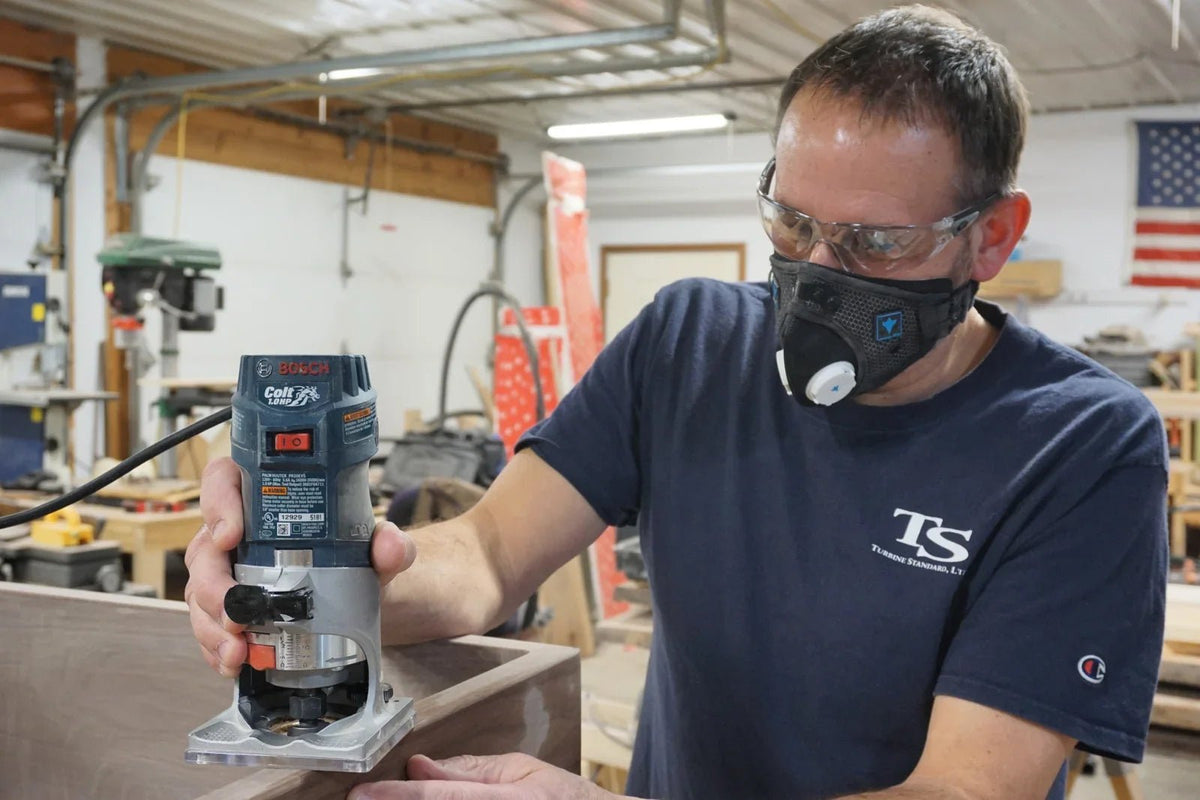






Do You Still Need a Dust Mask If You Have a Dust Collector?