
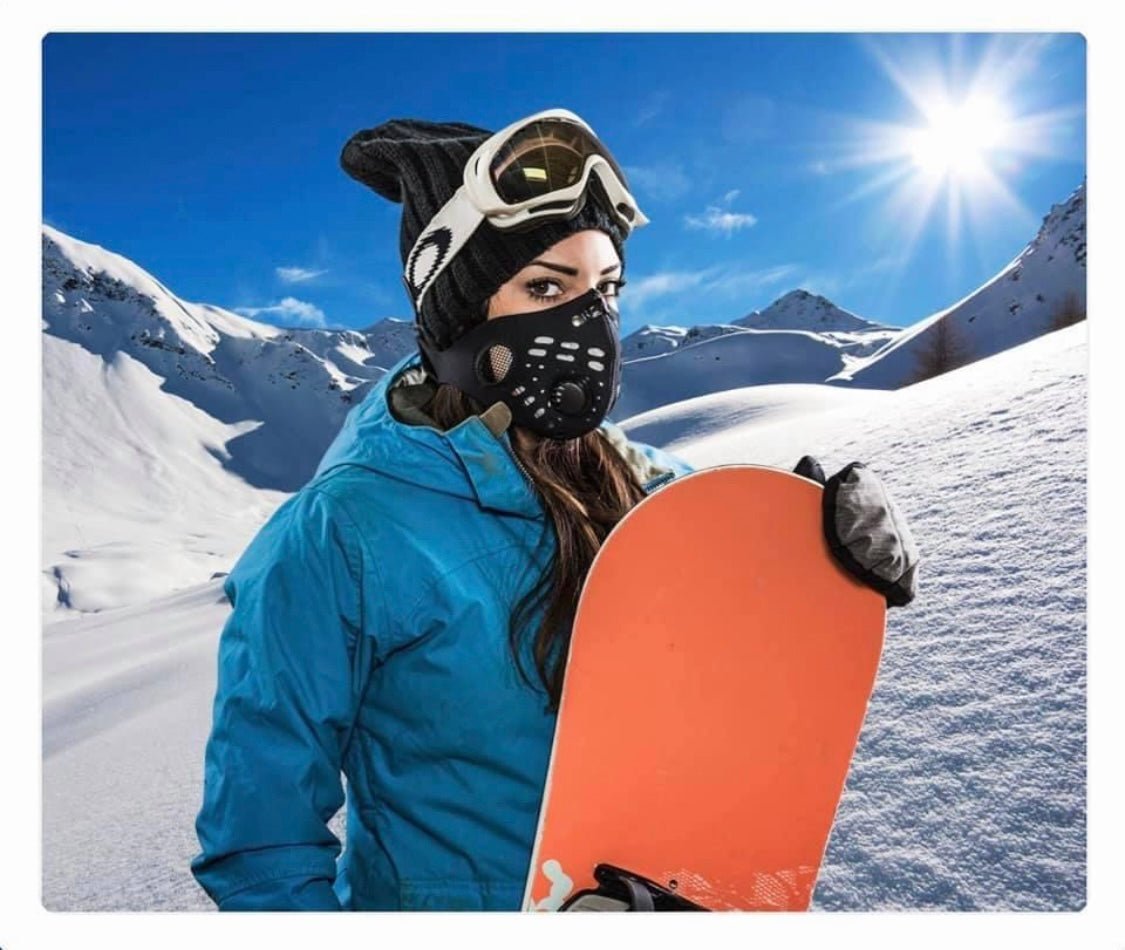
Cold Weather and Respiratory Health: Best Masks for Winter Work and Outdoor Activity
Most people think about respiratory protection in the context of dust, smoke, and visible particulates. Cold weather presents its own set of respiratory challenges that are less visible and far more overlooked. For outdoor workers, winter ATV and UTV riders, hunters, landscapers, and anyone who spends significant time outside in cold conditions, winter may actually be the most important season to think carefully about what you're breathing — and what you're wearing on your face.
This is the most complete guide to cold-weather respiratory protection available. It covers what cold air actually does to your respiratory system, who is most at risk, how a properly designed mask helps beyond just filtering particles, and which RZ Mask products are built to protect you through every winter work and outdoor scenario.
Important: RZ Mask products are designed for general particulate filtration and organic odor reduction. They are not designed to filter hazardous chemicals, carbon monoxide, regulated toxic substances, or gases requiring certified chemical cartridge respirators. For environments with chemical hazard exposure, consult your safety officer and applicable OSHA standards for appropriate certified PPE.
What Cold Air Does to Your Respiratory System
Your respiratory system is designed to condition incoming air — warming it, humidifying it, and filtering it before it reaches your lungs. In moderate conditions, this system works efficiently. In cold conditions, it faces significantly greater demands.
Cold Air Is Dry Air
Cold air holds far less moisture than warm air. When you breathe cold, dry air, your respiratory system works harder to humidify it before it reaches your lungs. This increased demand causes airways to lose moisture faster than they can replenish it — leading to the dry throat, irritated airways, and increased mucus production that outdoor workers and winter athletes experience regularly. During high-exertion activity in cold conditions, this effect is dramatically amplified.
Cold Air Can Trigger Airway Sensitivity
For people with respiratory sensitivities, cold air is a significant trigger. The combination of cold temperature and low humidity can cause airways to respond with increased sensitivity — particularly during physical exertion in cold conditions. The CDC recognizes cold stress as a significant occupational health concern, with the respiratory system among the systems most directly impacted by cold air exposure.
Cold Weather Concentrates Particulates at Ground Level
In cold weather, temperature inversions — where cold air near the ground is trapped beneath warmer air above — concentrate fine particulates and pollutants at ground level. AirNow.gov frequently shows elevated PM2.5 levels during winter inversion events across US cities and valleys. For outdoor workers and winter outdoor enthusiasts, cold weather can bring elevated particulate exposure even in areas with good air quality during warmer months.
Winter Means More Time Indoors — With More Indoor Pollutants
Cold weather drives people indoors — and indoor air quality typically worsens in winter. Buildings are sealed against the cold, reducing ventilation and concentrating indoor pollutants. Heating systems recirculate air with accumulated dust, allergens, and organic compounds. According to the EPA, indoor air can be 2 to 5 times more polluted than outdoor air — a gap that widens in winter when ventilation is reduced.
Who Is Most Affected by Cold Weather Respiratory Challenges
- Outdoor construction workers — framing, roofing, concrete work, and site prep continue through winter in most markets; cold air combined with construction dust creates a compound respiratory challenge that warm-weather workers don't face
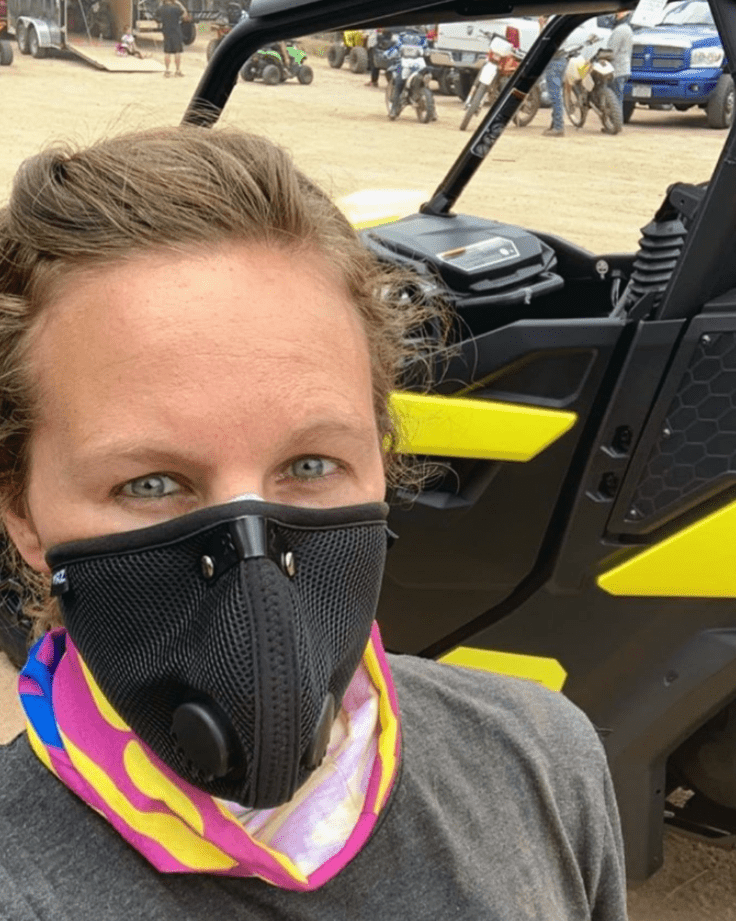
- Winter ATV and UTV riders — cold-weather trail riding means breathing cold, dry air at speed, often in conditions where temperature inversions concentrate particulates near the ground; fogging is most severe in cold conditions
- Hunters — late-season hunting means extended time outdoors in cold conditions, often in areas with elevated particulate levels from agricultural burning and winter inversions
- Landscapers and groundskeepers — winter landscape work generates fine organic particulates in cold conditions where they remain airborne longer than in warm weather
- Woodworkers in cold shops — cold shop environments mean breathing cold, dry air while generating fine wood dust; the combination is more demanding on the respiratory system than either alone
- Winter cyclists and runners — aerobic exercise in cold conditions dramatically increases the volume of cold, dry air passing through the respiratory system; a mask that filters and pre-warms incoming air is especially valuable
How a Mask Helps in Cold Weather — Beyond Particulate Filtration
In cold weather, a well-designed mask provides benefits that go beyond filtering particles — benefits that are unique to cold-weather use and often overlooked in mask selection.
Air Warming
A mask creates a small enclosed space between the filter and your face. Exhaled air warms this space — and subsequent inhaled air passes through this warmer microenvironment before entering your airways. This pre-warming effect can meaningfully reduce the temperature of air reaching your airways in cold conditions, reducing the respiratory stress of breathing very cold air during extended outdoor exposure or high-exertion winter activity.
Humidity Retention
The same enclosed space that warms incoming air also retains some moisture from exhaled breath. This helps humidify incoming cold, dry air before it reaches your airways — reducing the drying effect that cold air has on the respiratory system during extended outdoor activity.
Fog-Free Performance — Most Critical in Cold Conditions
Cold weather is where goggle and glasses fogging is most severe — the temperature differential between warm exhaled breath and cold lens surfaces is greatest in winter. The RZM3's adjustable nose clip and dual discharge valves deliver their most meaningful advantage here: directing exhaled air downward and away from lenses before it can reach them. For winter riders, hunters, and construction workers who wear safety glasses or goggles in cold conditions, fog-free performance is not a convenience — it's a safety requirement.
What RZ Mask Filters Are Designed For — And What They Are Not
It's important to be clear about what RZ Mask F1 and F3 Active Carbon Filters are designed to do — and what they are not designed to do. This matters especially in cold-weather work environments where multiple hazards may be present simultaneously.
RZ Mask filters are designed to:
- Filter fine airborne particulates — dust, pollen, mold spores, and other solid particles — down to 0.1 micron
- Help reduce organic odors from sources like wood finishing products, smoke, and organic matter through the active carbon layer
- Provide a comfortable, reusable respiratory protection option for general particulate and organic odor environments
RZ Mask filters are NOT designed to:
- Filter carbon monoxide, carbon dioxide, or other toxic gases
- Provide protection against hazardous chemicals, solvents, or regulated toxic substances at occupational exposure levels
- Replace certified chemical cartridge respirators in environments with chemical vapor hazards
- Provide protection in immediately dangerous to life or health (IDLH) environments
- Substitute for certified respiratory protection where regulations require it
For environments involving regulated chemical hazards, always consult your safety officer and applicable OSHA Respiratory Protection Standards for appropriate certified PPE. The active carbon in RZ Mask filters is designed to help reduce common organic odors — it is not a substitute for chemical cartridge respirators in hazardous chemical environments.
Best RZ Mask Products for Cold Weather Use
For Active Cold-Weather Work and Outdoor Use: RZM3
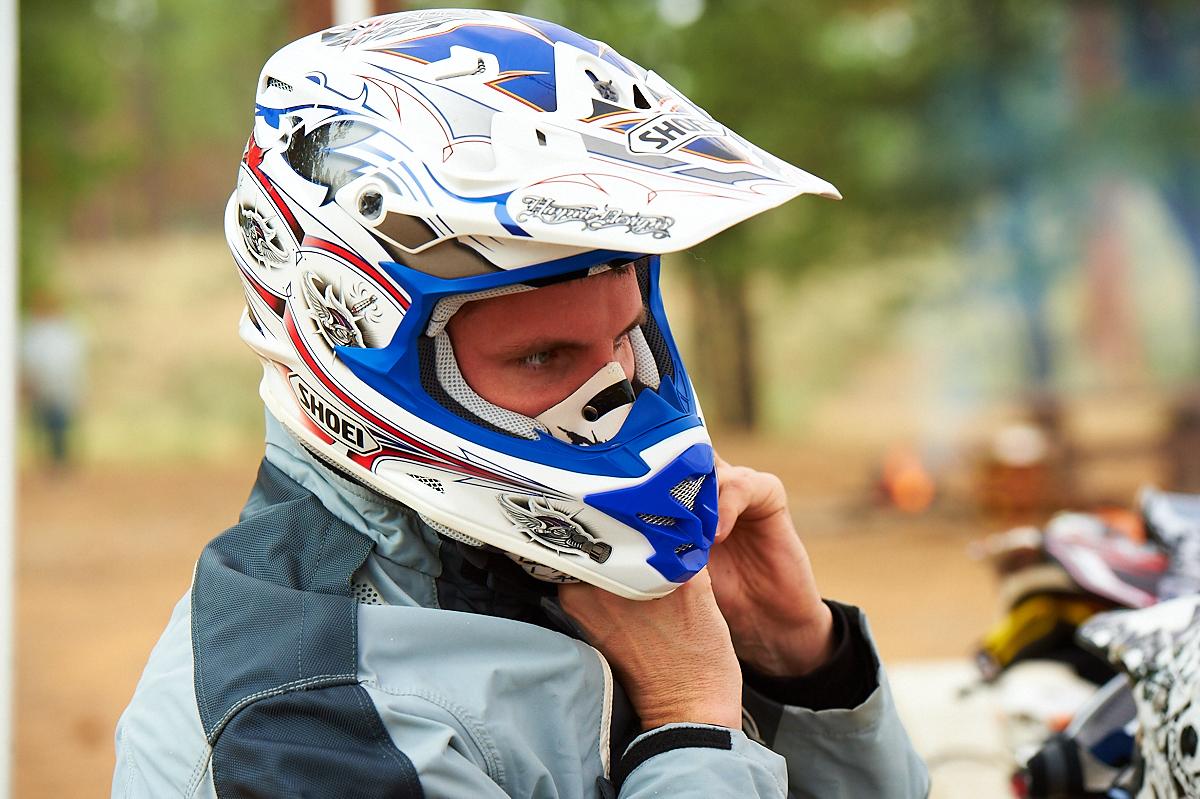
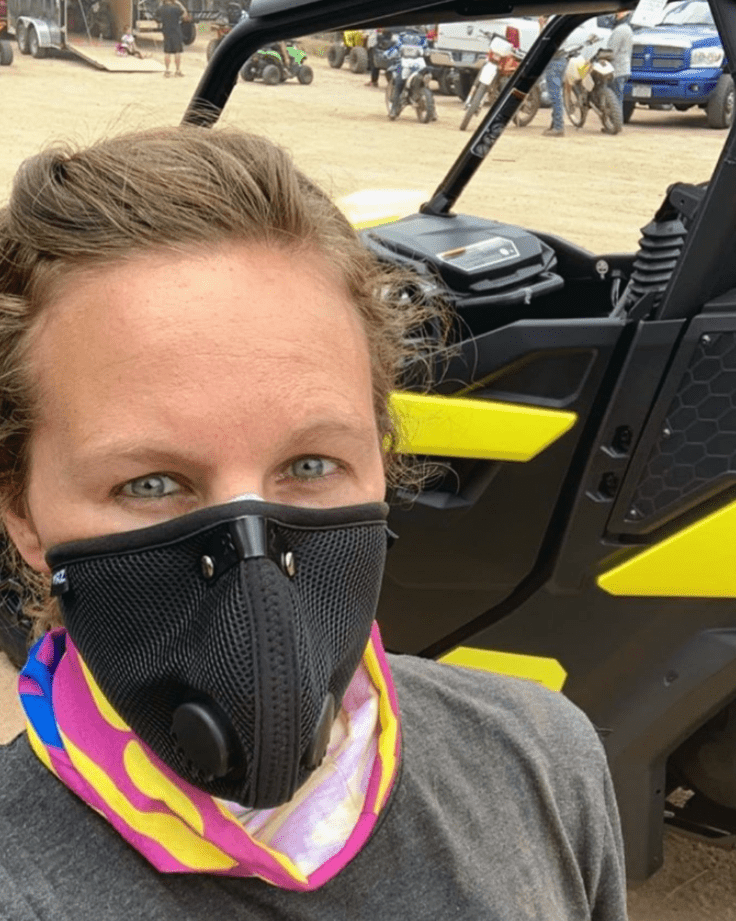
The RZM3 premium reusable mask is the top choice for active cold-weather use across every scenario — winter ATV and UTV riding, cold-weather hunting, winter construction, landscaping, and woodshop work. The RZM3 delivers advanced particulate filtration, a secure three-strap fit that holds through active physical work and adapts to helmets and cold-weather headgear, a no-fog design that is most critical in cold conditions, and the air-warming and humidity-retention benefits that make cold-weather breathing more comfortable.
For Maximum Airflow in Cold Weather: RZ Airflow
For cold-weather users who prioritize breathability above all else — winter runners, cyclists, and anyone doing high-intensity aerobic activity in cold conditions — the RZ Airflow breathable mask is engineered for maximum airflow during physical exertion. It delivers the same particulate filtration and active carbon organic odor reduction in a high-airflow design built for sustained aerobic activity in cold conditions.
For Professional and Compliance-Driven Cold-Weather Environments: RZ Pro FFP2 and FFP3
For outdoor workers in professional environments where certified respiratory protection is required by regulation or employer policy, the RZ Pro FFP2 certified respirator and the RZ Pro FFP3 certified respirator provide CE-certified respiratory protection that meets regulatory standards. These are the right choice when compliance documentation matters alongside cold-weather performance. Consult your safety officer for guidance on your specific environment and applicable regulations.
Cold Weather Mask Tips: Getting the Best Performance
- Fit the nose clip carefully in cold weather — cold conditions make fogging most severe; a precisely fitted nose clip is the single most important step in preventing goggle and glasses fogging in winter
- Allow the mask to warm up — in very cold conditions, the mask shell and filter may be cold initially; after a few breath cycles the interior warms and the air-warming and humidity-retention benefits become more effective
- Check discharge valve function in extreme cold — in very cold conditions, discharge valves can occasionally stiffen; check that valves are opening and closing freely before extended cold-weather use
- Replace filters more frequently in dusty winter conditions — winter construction and trail riding in cold, dry conditions can generate elevated dust concentrations; replace filters when breathing resistance increases
- Store your mask indoors — storing your RZ Mask at room temperature between uses helps maintain mask flexibility and valve function in cold weather
Frequently Asked Questions: Cold Weather Masks
Does a mask actually help with breathing cold air?
Yes. A properly fitted mask creates a small enclosed space between the filter and your face that pre-warms and partially humidifies incoming cold air before it reaches your airways. This can meaningfully reduce the respiratory stress of breathing very cold air during extended outdoor exposure or aerobic activity in cold conditions — a benefit that goes beyond particulate filtration and is unique to cold-weather mask use.
What is the best mask for cold weather construction work?
The RZM3 is designed for active cold-weather construction work — advanced particulate filtration for construction dust, fog-free design for safety glasses in cold conditions, and the air-warming effect of the enclosed mask design. For professional construction environments with compliance requirements, the RZ Pro FFP2 or RZ Pro FFP3 certified respirators are the appropriate certified options.
Does the RZM3 work for winter ATV and UTV riding?
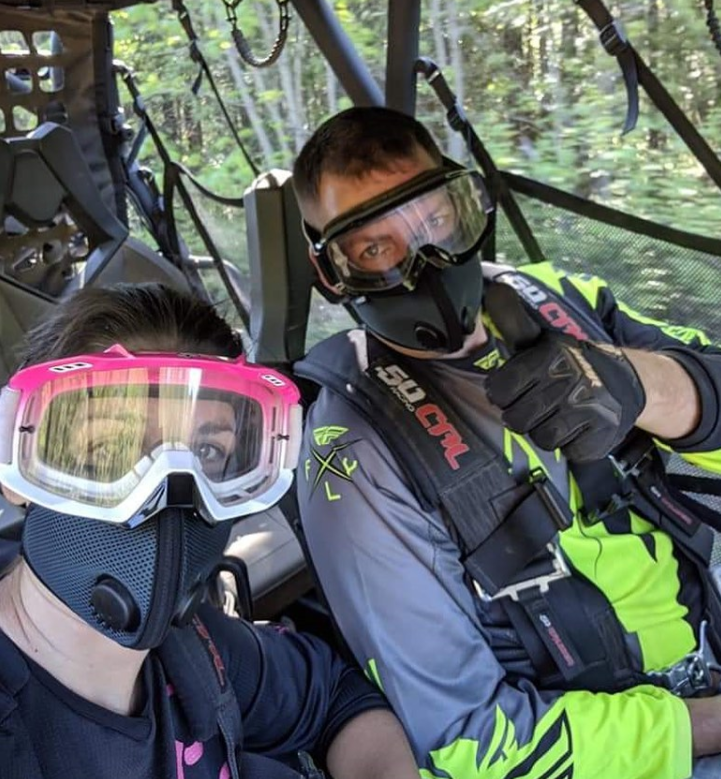
Yes. The RZM3 in head strap configuration is designed for winter powersports use — stable fit at speed, advanced particulate filtration for cold-weather trail dust, fog-free design for goggles in cold conditions where fogging is most severe, and the air-warming effect that makes cold-weather riding more comfortable. The three-strap system is compatible with most helmets and cold-weather headgear.
Will my mask fog my goggles worse in cold weather?
Cold weather makes goggle fogging more severe with any mask — the temperature differential between warm exhaled breath and cold lens surfaces is greatest in winter. The RZM3's adjustable nose clip and dual discharge valves are specifically designed to address this: the nose clip seals the nose bridge and directs exhaled air downward, while the discharge valves actively exhaust warm, moist exhaled air away from your face before it can reach your lenses. Fit the nose clip carefully for best fog-free performance in cold conditions.
Can I use an RZ Mask under a balaclava or neck gaiter?
Yes. The RZM3's low-profile design and three-strap system are designed to be compatible with cold-weather headgear including balaclavas and neck gaiters. The ear loop configuration works well under balaclavas; the head strap configuration works well over most cold-weather headgear for active use.
Can RZ Mask filters protect against chemical fumes in cold-weather work environments?
No. RZ Mask F1 and F3 Active Carbon Filters are designed for general particulate filtration and organic odor reduction — not for protection against hazardous chemicals, toxic gases, or regulated chemical vapors. The active carbon layer is designed to help reduce common organic odors, not to serve as a chemical cartridge respirator. For environments with chemical vapor hazards, consult your safety officer for appropriate certified PPE per applicable OSHA standards.
When should I choose a certified respirator over the RZM3 for cold weather work?
If you work in a professional environment where certified respiratory protection is required by regulation or employer policy, the RZ Pro FFP2 or RZ Pro FFP3 certified respirators are the appropriate choice. For general outdoor work, recreational use, and non-compliance-driven environments, the RZM3 delivers excellent particulate protection with superior comfort and breathability.
Breathe Better This Winter.
Cold weather doesn't pause the need for respiratory protection — for outdoor workers, winter riders, hunters, and cold-weather athletes, it intensifies it. The RZM3 breathable reusable mask is designed to deliver advanced particulate filtration, fog-free performance in cold conditions, air-warming benefits, and the breathability to wear it through the most demanding winter work and outdoor activity.
Explore the full RZ Mask lineup for winter: the RZM3 premium reusable mask, the RZ Airflow comfort-focused mask, the RZ Pro FFP2 certified respirator, and the RZ Pro FFP3 certified respirator. Find the right protection for the season.
For cold stress and respiratory health guidance, visit the CDC Cold Stress resource and AirNow.gov for real-time air quality data. RZ Mask products are designed for general particulate filtration and organic odor reduction — not for hazardous chemical protection. For regulated workplace environments, consult your safety officer for appropriate certified PPE requirements.


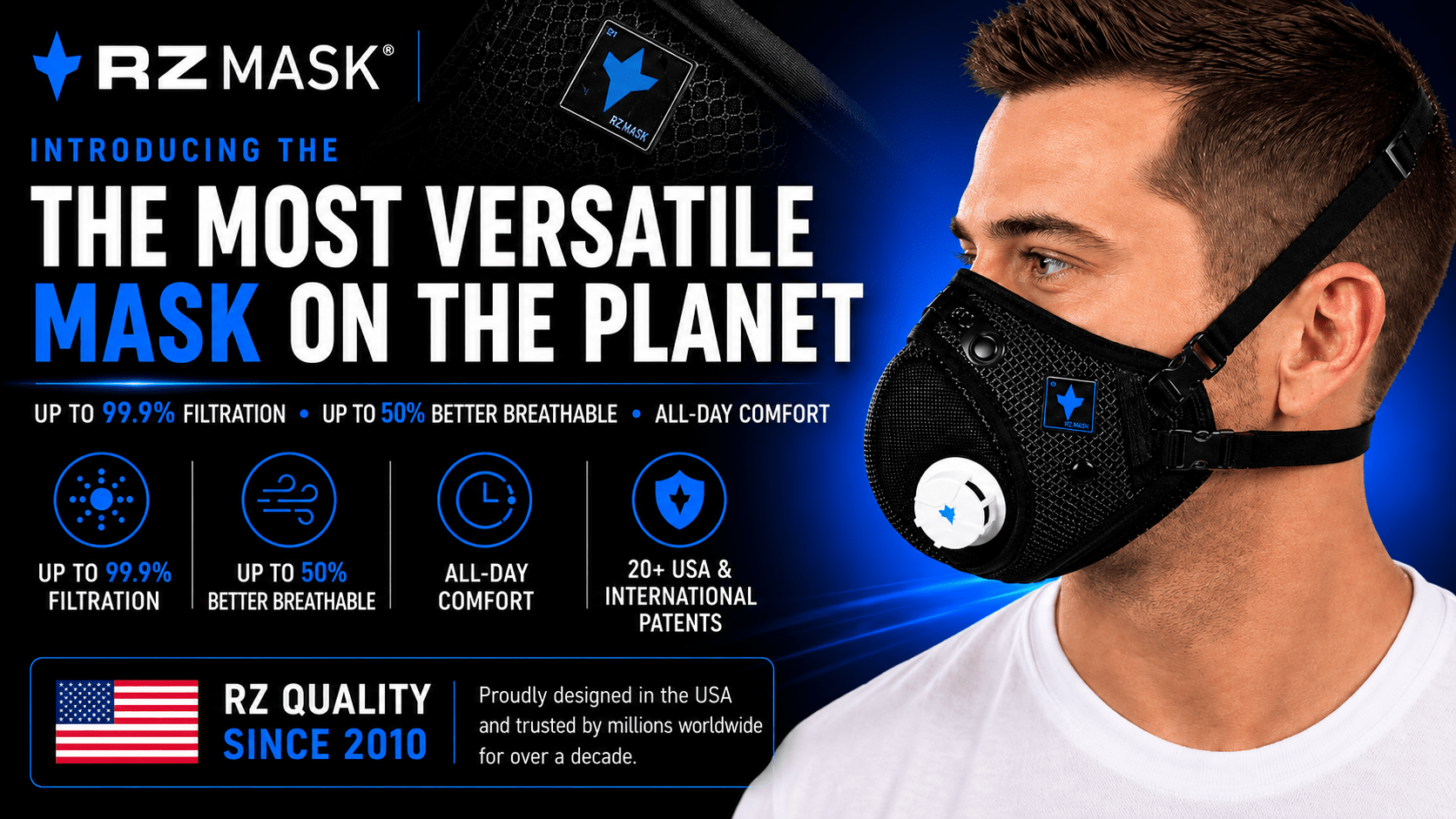
Best Mask for Woodworking: Why Professional Furniture Builders Choose the RZM3
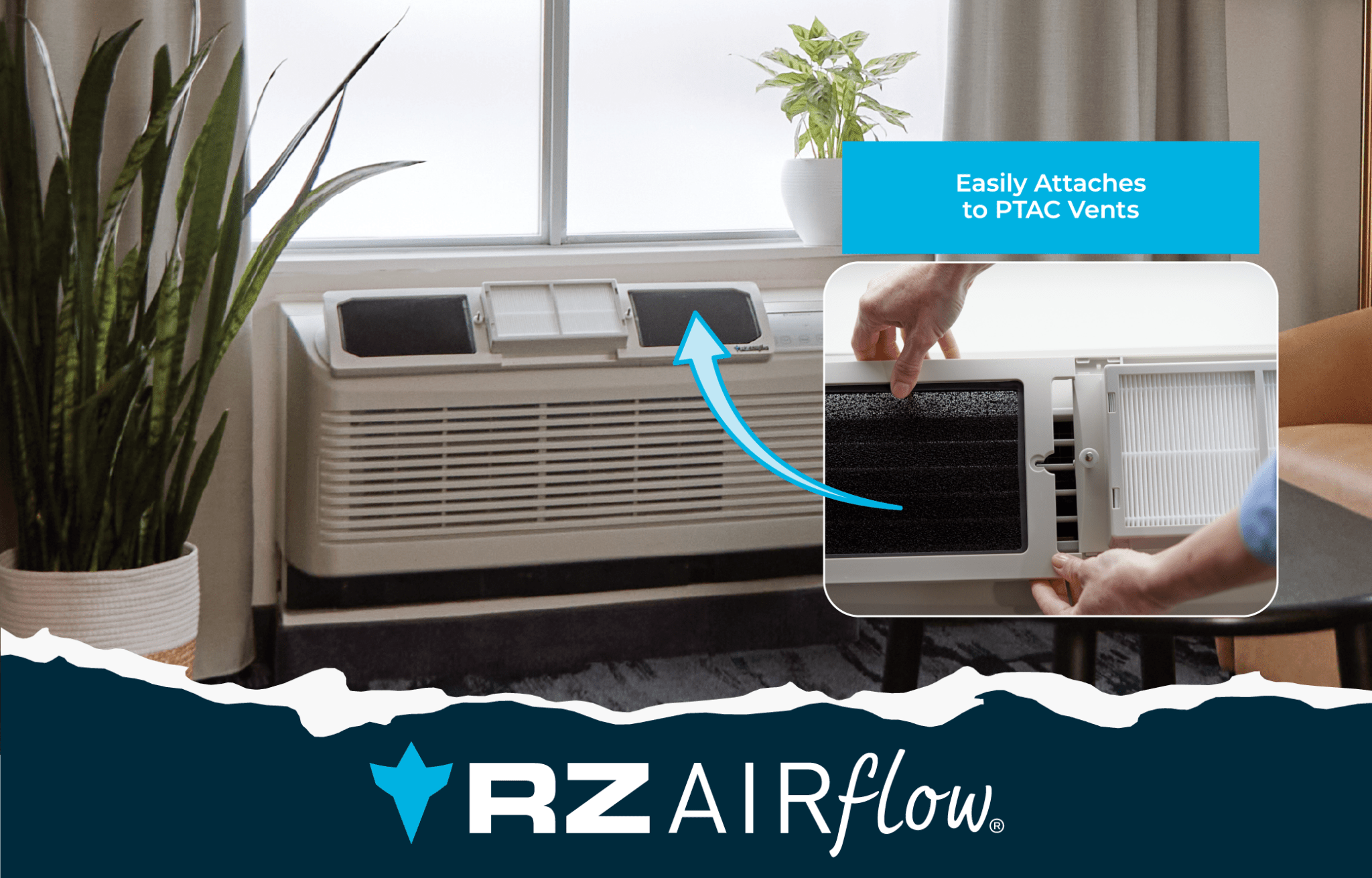
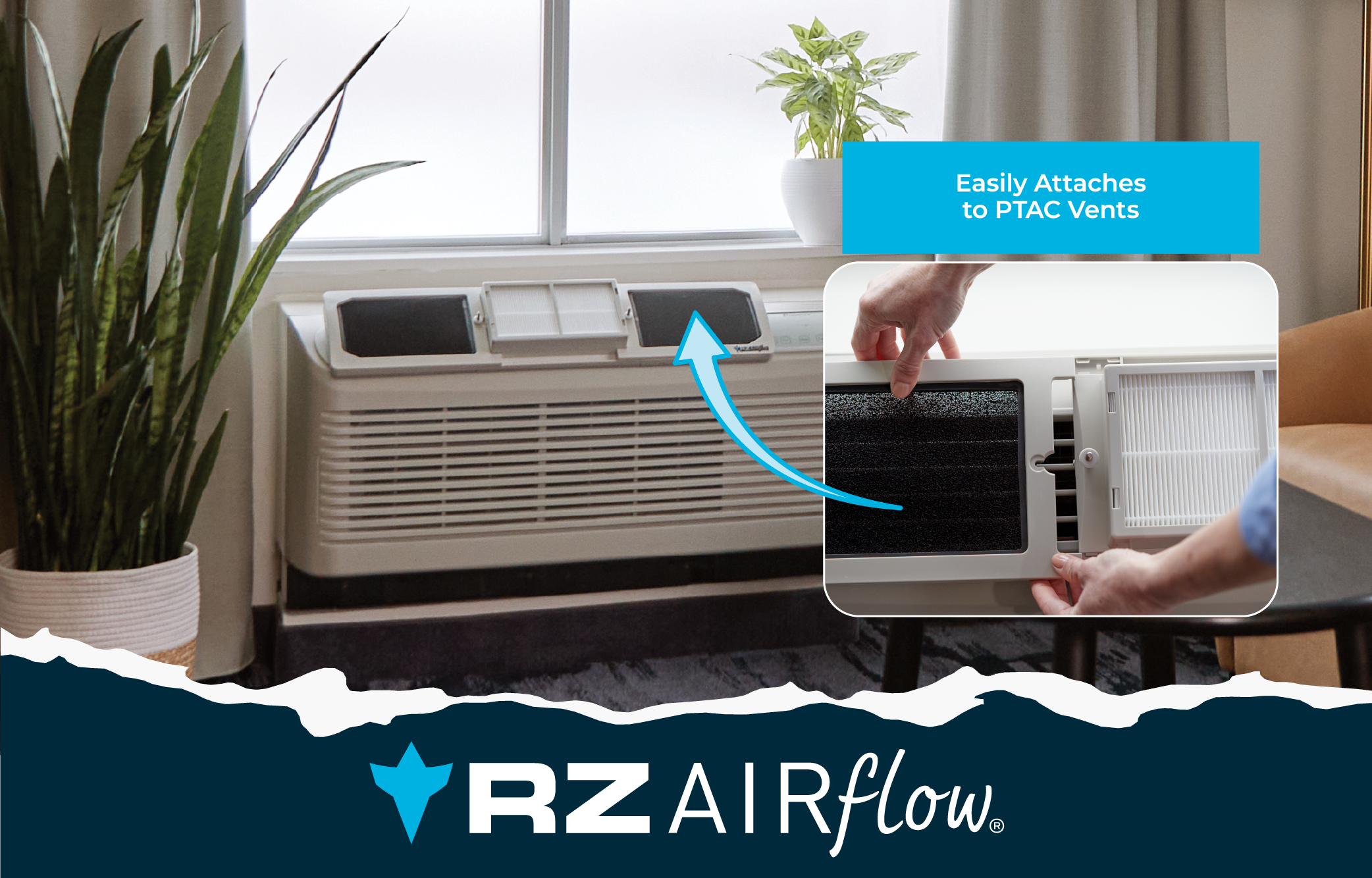
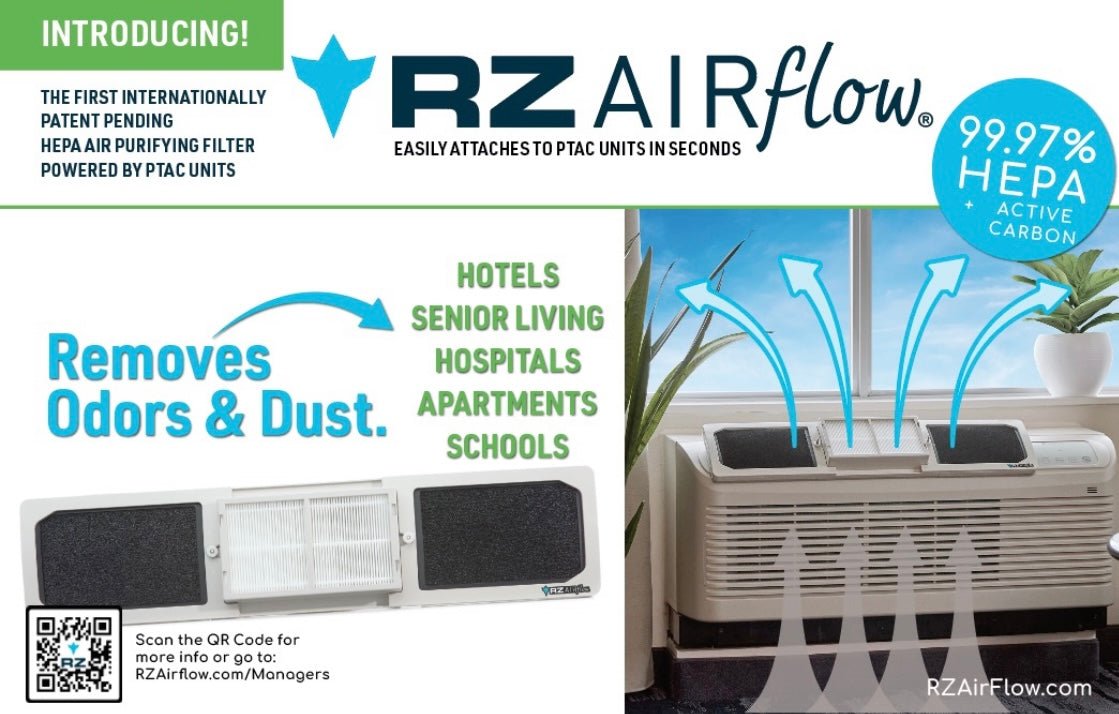
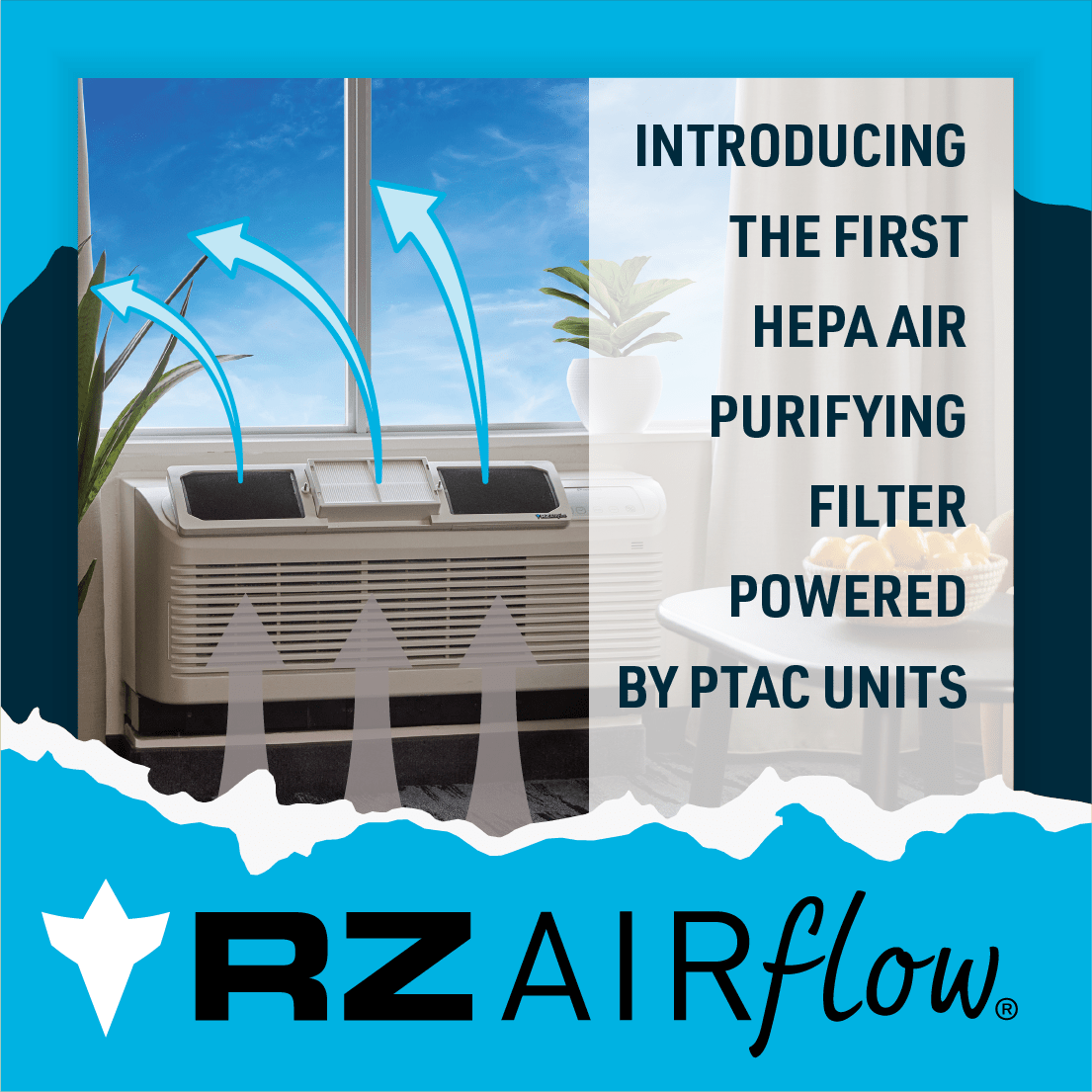
The RZ AIRFlow PTAC Air Purifier: The Smarter Indoor Air Quality Solution for Hotels, Senior Living, Assisted Living & Apartments