
How to Prevent Spring Allergy Symptoms: The Complete Guide for Outdoor Allergy Sufferers
Spring is one of the most beautiful seasons of the year — and one of the most miserable for the tens of millions of Americans who suffer from seasonal allergies. Tree pollen, grass pollen, and mold spores fill the air from March through June, triggering sneezing, congestion, itchy eyes, and respiratory irritation that can make outdoor activity genuinely difficult. For people who work outdoors, exercise outside, or simply want to enjoy the season, understanding what's in the spring air — and how to protect yourself from it — makes a real difference.
This is the most complete guide to spring allergy prevention available: what causes spring allergies, when each allergen peaks, what you can do to reduce exposure outdoors, and how to protect the air inside your home or facility. Use it to take control of your allergy season.
What Causes Spring Allergies — and When Each Allergen Peaks
Spring allergies — clinically known as allergic rhinitis or hay fever — are triggered by airborne pollen and spores that the immune system identifies as foreign invaders. The specific allergens, and when they peak, vary by region and year — but the general seasonal pattern is consistent across most of the United States.
Tree Pollen — The First Wave (February through May)
Tree pollen is the dominant allergen of early spring and the primary driver of allergy symptoms for most people from February through May. Trees release pollen before their leaves emerge — which is why allergy season often starts before it feels like spring. The most significant tree pollen producers include:
- Oak — one of the heaviest pollen producers; peaks March through May across most of the US
- Birch — a major allergen in northern states; peaks April through May
- Cedar and juniper — significant allergens in the South and Southwest; can start as early as December in some regions
- Maple, ash, elm, hickory, poplar, and sycamore — all significant pollen producers peaking in early to mid-spring
Tree pollen grains are relatively large — typically 10–50 microns — but they travel enormous distances on the wind. Pollen from trees can travel hundreds of miles, meaning you can experience significant tree pollen exposure even in urban areas with few trees nearby.
Grass Pollen — The Second Wave (May through July)
Grass pollen peaks from May through July across most of the United States, overlapping with the tail end of tree pollen season in May. Grasses are among the most potent allergen sources — a single grass plant can produce millions of pollen grains per season. Timothy grass, Kentucky bluegrass, Bermuda grass, and orchard grass are among the most significant grass pollen producers.
Weed Pollen and Mold Spores — The Bridge Season
While ragweed is primarily a fall allergen, some weed pollens begin in late spring and early summer. Mold spores are present year-round but increase significantly in spring as temperatures warm and moisture from spring rains promotes mold growth on decaying organic matter. For people sensitive to mold, spring yard work — raking, mulching, and garden cleanup — can trigger significant mold spore exposure.
Why Allergy Season Is Getting Longer
Research from multiple institutions has documented that pollen seasons in North America are starting earlier, lasting longer, and producing higher pollen concentrations than in previous decades. For allergy sufferers, this means the window of significant exposure is expanding — making consistent protection strategies more important than ever.
How to Monitor Pollen Levels
Pollen levels vary significantly by day, time of day, and weather conditions. Monitoring pollen levels helps you make smarter decisions about outdoor activity and when to deploy your protection strategies.
- AirNow.gov — real-time air quality data including pollen and particle levels by zip code
- Local weather apps — most major weather apps now include daily pollen forecasts by allergen type
- The American Academy of Allergy, Asthma and Immunology (AAAAI) — provides regional pollen counts
Key pollen timing patterns to know:
- Pollen counts are typically highest in the morning (5 AM–10 AM) and on warm, dry, windy days
- Rain temporarily washes pollen from the air — but pollen production often increases in the days following rain as plants are nourished
- Cool, cloudy, or rainy days typically have lower pollen counts
- Pollen travels hundreds of miles on the wind — high counts in your area don't require local trees or grasses
How to Reduce Outdoor Allergen Exposure
Wear the Right Mask for Outdoor Activity
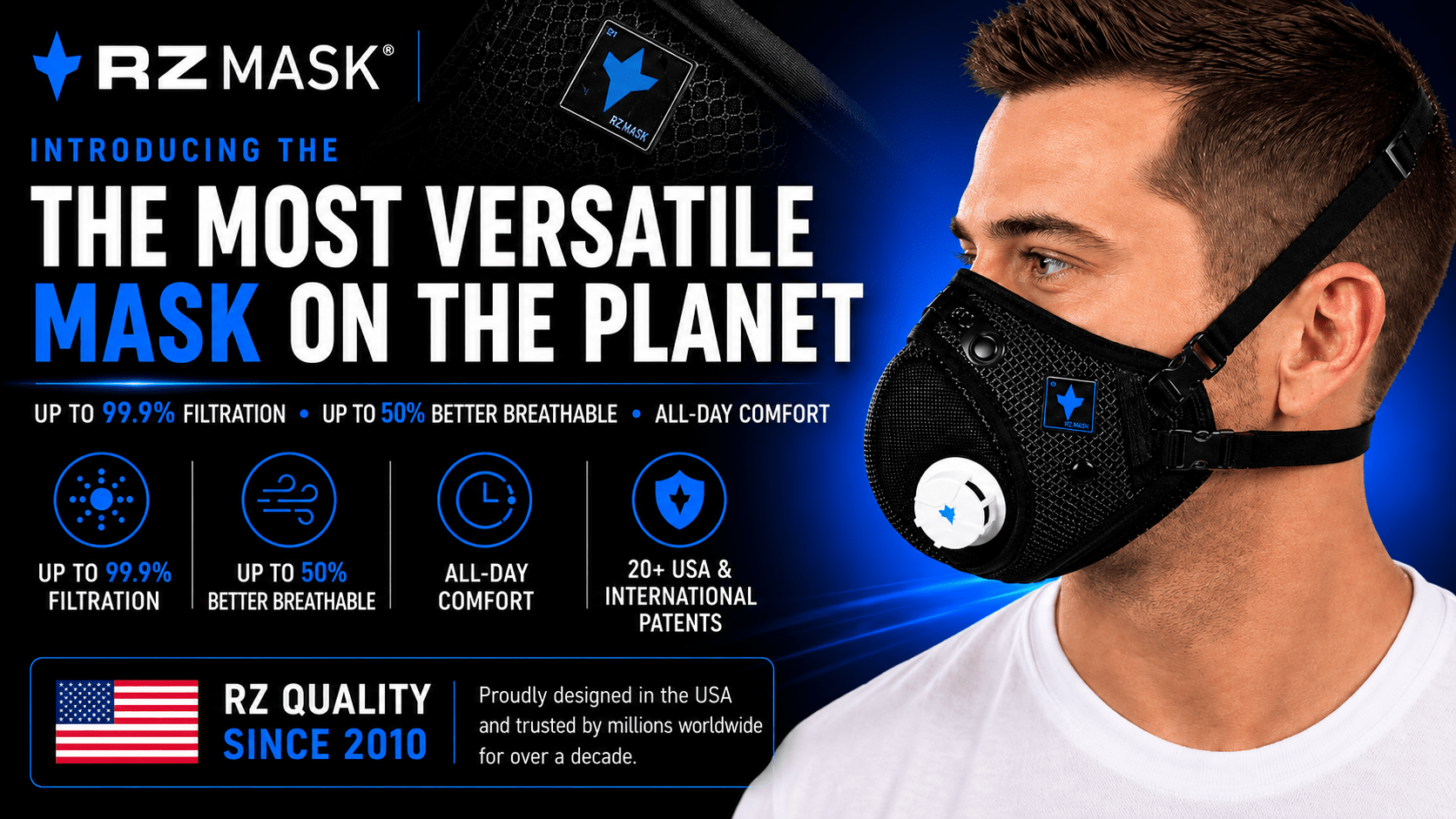
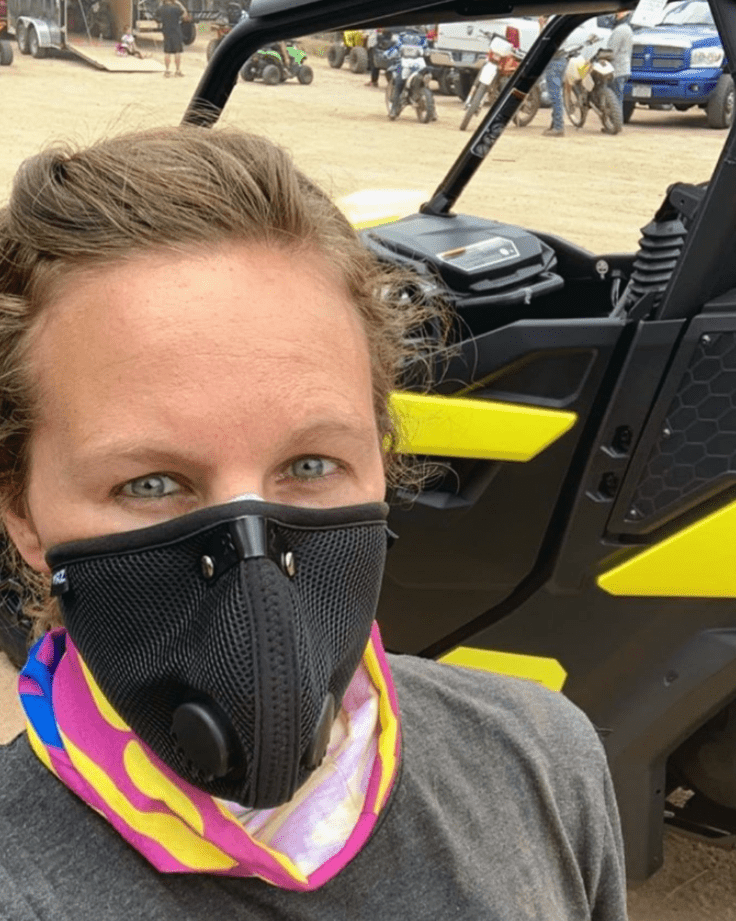
A properly fitted mask with high-efficiency filtration is one of the most effective tools for reducing pollen inhalation during outdoor activity. Pollen grains — typically 10–50 microns for tree pollen, smaller for grass pollen — are well within the filtration range of RZ Mask F1 and F3 Active Carbon Filters, which are designed to filter particles down to 0.1 micron.
The key is a complete seal. A loose or poorly fitted mask allows pollen to enter through gaps around the nose and cheeks regardless of the filter rating. The RZM3's adjustable nose clip and 360° perimeter seal are designed to create a complete barrier against airborne allergens during outdoor activity.
For most outdoor allergy sufferers — yard work, landscaping, hiking, and general outdoor activity — the RZM3 premium reusable mask is the top choice. For runners, cyclists, and anyone doing high-intensity aerobic activity during allergy season, the RZ Airflow breathable mask is engineered for maximum airflow during physical exertion — the same allergen filtration in a high-airflow design that makes sustained aerobic activity comfortable during peak pollen season.
Time Your Outdoor Activity Strategically
- Schedule outdoor activity for afternoons and evenings when pollen counts are typically lower
- Take advantage of rainy days for outdoor tasks — pollen is temporarily washed from the air
- Avoid outdoor activity on warm, dry, windy days when pollen counts are highest
- Check your local pollen forecast before planning outdoor activity on high-count days
Reduce Pollen Transfer Indoors
- Remove shoes at the door to avoid tracking pollen through your home
- Change clothes and shower after extended outdoor activity on high-pollen days
- Wearing a hat outdoors keeps pollen out of your hair and reduces transfer to pillows and furniture
- Keep car windows closed during high-pollen periods; use air conditioning on recirculate mode
How to Protect Your Indoor Air During Allergy Season
Staying indoors during peak pollen periods helps — but only if your indoor air is actually cleaner than the air outside. Pollen enters through windows, doors, ventilation systems, and on clothing and pets. Without adequate indoor filtration, indoor pollen levels can approach outdoor levels during peak season.
Keep Windows and Vents Closed During Peak Pollen Hours
Keep windows, doors, and vents closed during morning hours (5 AM–10 AM) when pollen counts are highest. If you want fresh air, open windows in the afternoon or evening when counts are lower, or after rain has washed pollen from the air.
Upgrade Your Indoor Filtration
Standard HVAC and PTAC filters are not designed to capture fine pollen particles effectively. Upgrading to True HEPA 99.97% filtration with active carbon is the most effective step for improving indoor air quality during allergy season.
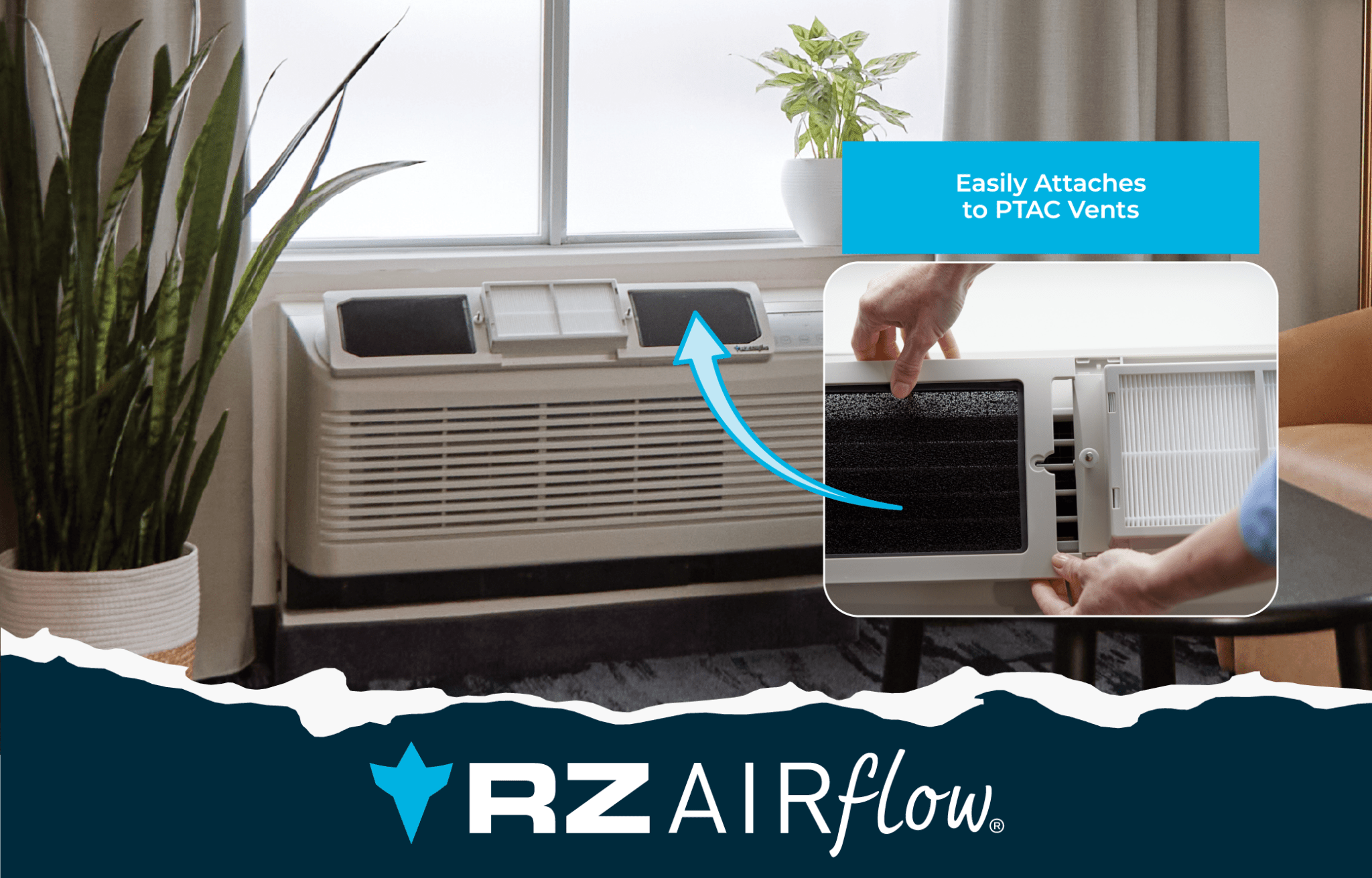
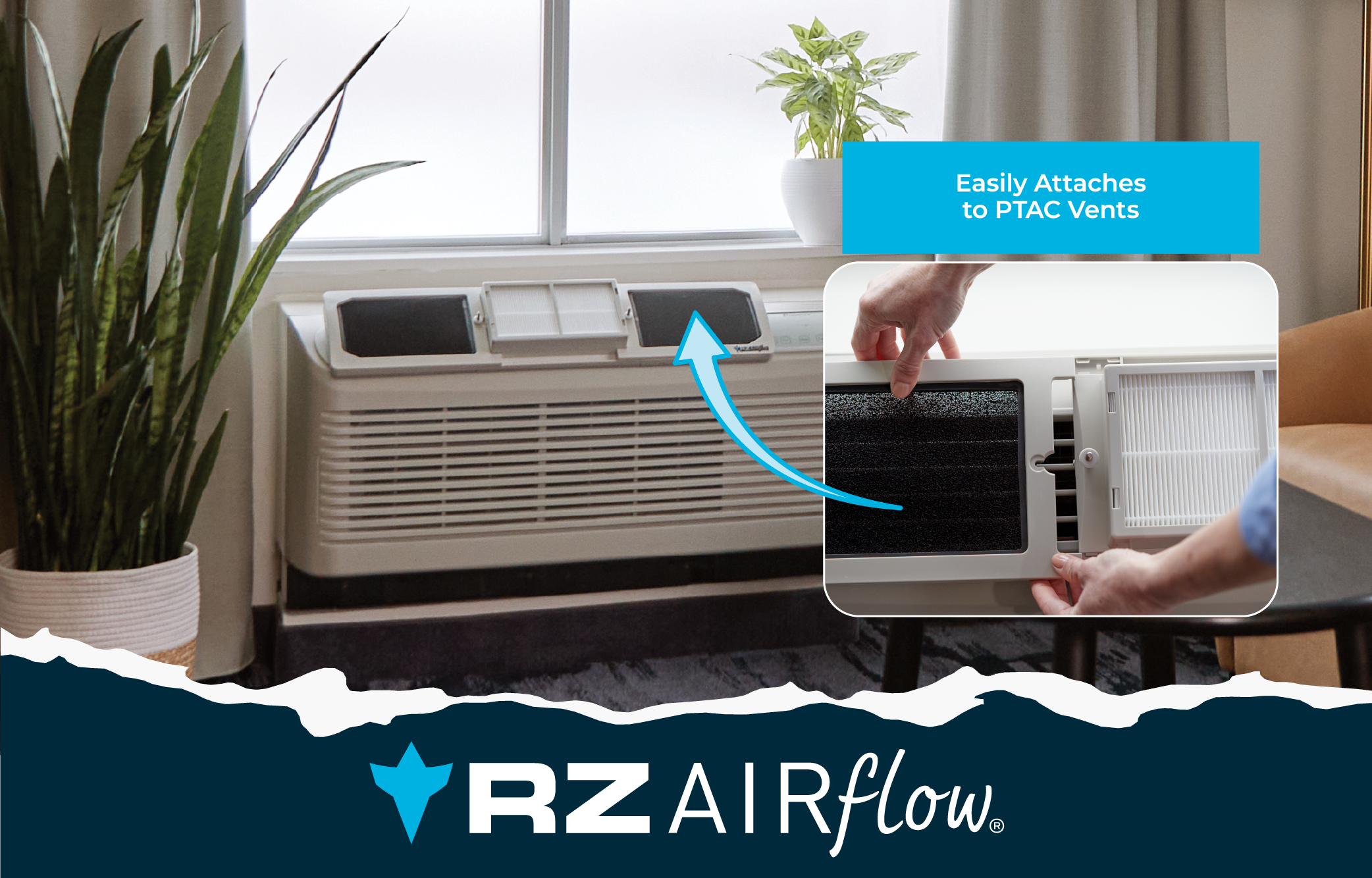
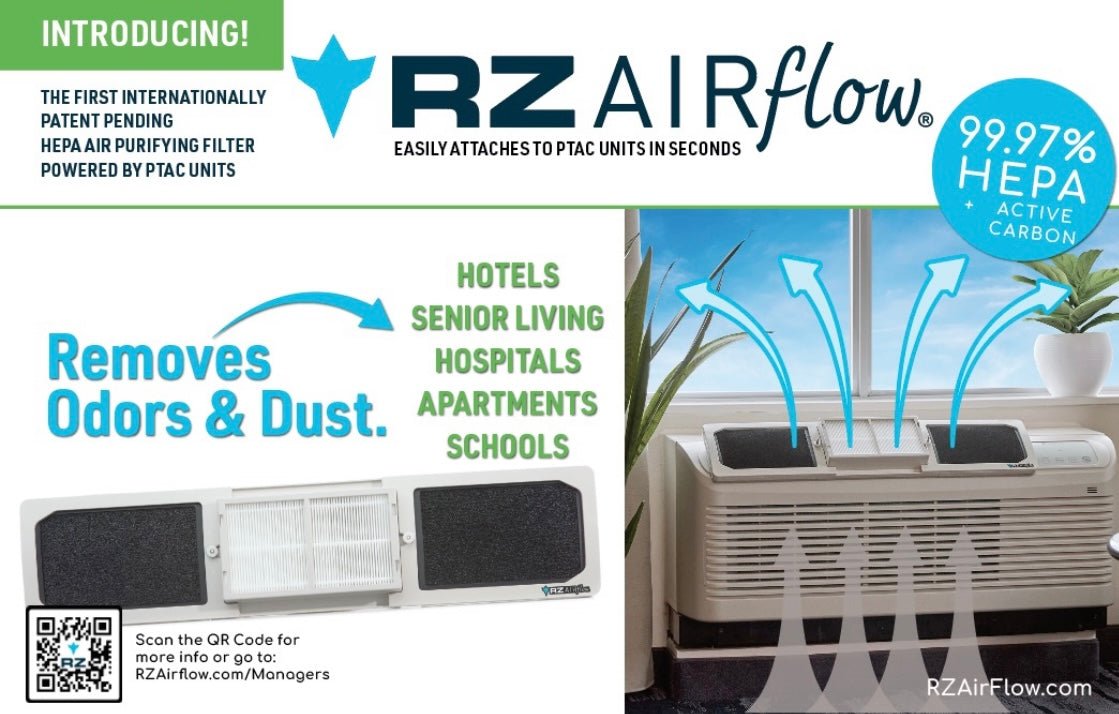
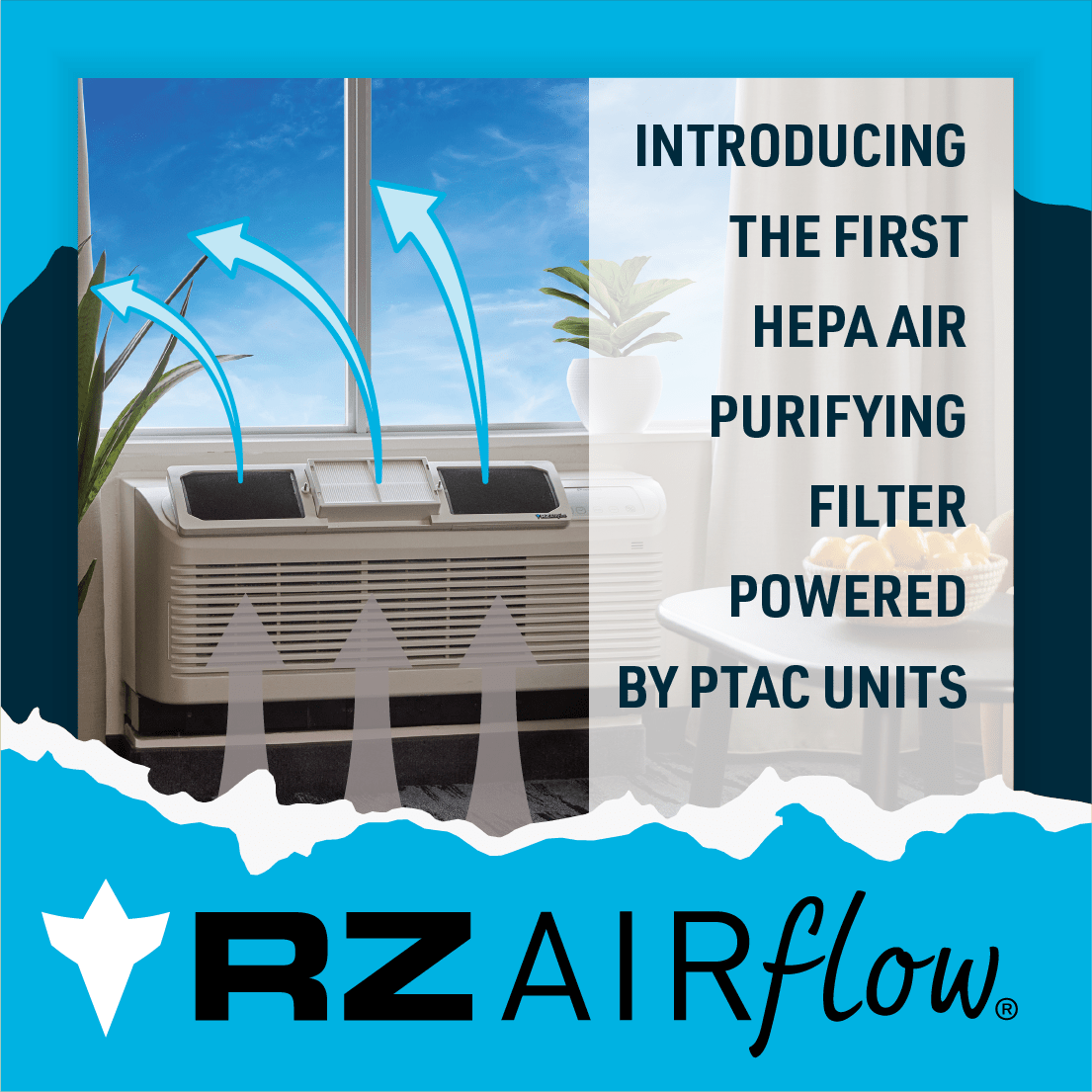
For PTAC-equipped buildings (hotels, apartments, senior living facilities): The RZ AIRFlow installs directly into any standard PTAC unit and delivers True HEPA 99.97% filtration plus active carbon organic odor reduction through the existing PTAC airflow system — capturing pollen, mold spores, and other allergens from recirculated air without replacing the unit or requiring renovation. For allergy sufferers in PTAC-equipped spaces, the RZ AIRFlow is one of the most effective tools available for reducing indoor allergen exposure during peak pollen season.
For standalone air purification: Use a True HEPA 99.97% air purifier rated for your room size. Run it continuously during allergy season, especially in bedrooms where you spend extended time.
Reduce Indoor Allergen Accumulation
- Vacuum frequently with a HEPA-filter vacuum to remove settled pollen from carpets and upholstery
- Dust with a damp cloth rather than dry dusting, which re-suspends settled particles
- Wash bedding weekly in hot water during peak allergy season
- Keep pets that go outdoors out of bedrooms during high-pollen periods — they carry pollen on their fur
Medical Management: When to See a Doctor
Masks and filtration reduce allergen exposure — they don't eliminate it entirely, and they don't address the immune system's response to allergens that do get through. For people with significant allergy symptoms, medical management is an important complement to exposure reduction strategies.
- Antihistamines — reduce the immune system's histamine response to allergens; available over-the-counter and by prescription
- Nasal corticosteroids — reduce nasal inflammation; considered among the most effective treatments for allergic rhinitis by the AAAAI
- Decongestants — reduce nasal congestion; available over-the-counter
- Allergen immunotherapy — allergy shots or sublingual drops that gradually desensitize the immune system to specific allergens; consult an allergist for evaluation
Consult your doctor or an experienced allergy specialist for personalized guidance on managing your specific allergy profile.
Frequently Asked Questions: Spring Allergy Prevention
Can a mask really help with spring pollen allergies?
Yes — a properly fitted mask with high-efficiency filtration can significantly reduce your inhalation of airborne pollen during outdoor activity. Tree pollen grains are typically 10–50 microns — well within the filtration range of RZ Mask F1 and F3 filters, which are designed to filter particles down to 0.1 micron. The key is a complete seal; a loose mask allows pollen to enter through gaps regardless of the filter rating.
Which RZ Mask is best for spring yard work and landscaping?
The RZM3 is the top choice for yard work and landscaping during allergy season — its three-strap system maintains a secure fit through active physical work, and the active carbon filter helps reduce organic odors from mold and decomposing organic matter alongside pollen filtration. For high-intensity outdoor work, the RZ Airflow is a strong breathability-focused alternative.
Does rain help with pollen allergies?
Rain temporarily washes pollen from the air, providing short-term relief. However, pollen production often increases in the days following rain as plants are nourished by moisture. Rainy days are good opportunities for outdoor activity, but expect higher pollen counts in the days that follow.
Can I use the RZM3 for both spring and fall allergies?
Yes. The same filtration and seal system that protects against spring tree and grass pollen is equally effective against fall ragweed pollen and mold spores. The RZM3 is a year-round allergy protection tool for anyone who spends significant time outdoors during allergy season.
How does the RZ AIRFlow help with indoor allergy symptoms?
The RZ AIRFlow installs into existing PTAC units and delivers True HEPA 99.97% filtration that captures pollen, mold spores, dust mites, and other allergens from recirculated air. For allergy sufferers in PTAC-equipped apartments, hotel rooms, or senior living facilities, it provides meaningful indoor allergen reduction without renovation or landlord permission in most cases.
Don't Let Allergy Season Keep You Inside.
Spring is too good a season to spend indoors. With the right outdoor protection and the right indoor filtration, you can meaningfully reduce your allergen exposure and stay active through even the highest-pollen days of the season.
Explore the full RZ Mask lineup: the RZM3 premium reusable mask, the RZ Airflow comfort-focused mask, the RZ Pro FFP2 certified respirator, and the RZ Pro FFP3 certified respirator.
For pollen data and allergy information, visit AirNow.gov and the American Academy of Allergy, Asthma and Immunology (AAAAI). Consult your doctor or allergist for personalized allergy management guidance. RZ Mask products are designed for general particulate filtration and organic odor reduction.


N95 vs Reusable Mask: How to Choose the Right Respiratory Protection
RZ Answers: RZ Receives A+ Score from Better Business Bureau