
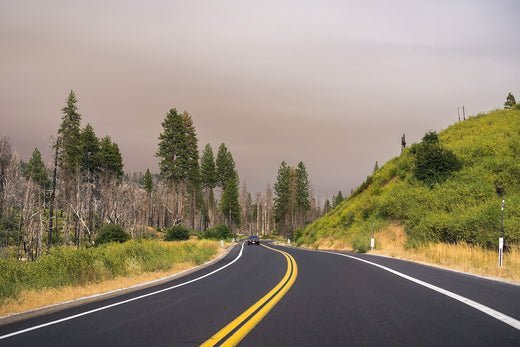
How to Breathe Safely During Wildfire Season: The Complete Protection Guide
Wildfire season is no longer a regional concern. Smoke from major fires now travels thousands of miles, pushing air quality into hazardous territory in cities and towns far from any active fire. In 2020, wildfire smoke from the Western United States reached the East Coast. In 2023, Canadian wildfires blanketed the Northeast and Midwest with smoke that triggered air quality emergencies across dozens of major cities. The question is no longer whether wildfire smoke will affect you — it's whether you're prepared when it does.
This is the most complete guide to protecting yourself and your family during wildfire season: what's in wildfire smoke, who is most at risk, how to monitor air quality, how to protect yourself outdoors, and how to protect the air inside your home or facility. Use it to make smarter, more informed decisions before the next smoke event arrives.
Important: RZ Mask products are designed for general particulate filtration and organic odor reduction. They are not designed to filter carbon monoxide, toxic gases, or regulated hazardous substances. Always follow guidance from your local authorities during active wildfire events. If evacuation is ordered, evacuate.
What's in Wildfire Smoke — and Why It's Dangerous
Wildfire smoke is not simply wood smoke. It is a complex mixture produced by the incomplete combustion of vegetation, structures, vehicles, and other materials in the fire's path. According to the EPA and CDC, wildfire smoke contains:
- Fine particulate matter (PM2.5) — particles 2.5 microns and smaller that penetrate deep into the respiratory system; the primary health concern in wildfire smoke events; wildfire smoke PM2.5 predominantly falls in the 0.4–0.7 micron range
- Carbon monoxide — a colorless, odorless toxic gas produced by incomplete combustion; cannot be filtered by particulate masks or active carbon filters
- Volatile organic compounds (VOCs) — organic gases released during combustion
- Ash and coarse particles — larger particles that cause irritation to eyes, nose, and throat
- Organic smoke odors — the characteristic smell of wildfire smoke that can persist long after visible smoke clears
Wildfire smoke can be especially harmful to older adults, pregnant women, children, and people with chronic heart and lung conditions. Children breathe more air per pound of body weight than adults and their airways are still developing — making them more vulnerable to the effects of smoke exposure. Symptoms of smoke exposure include difficulty breathing, eye irritation, headaches, sinus irritation, and worsening of existing respiratory conditions.
Step 1: Monitor Your Air Quality
The first and most important step in wildfire smoke protection is knowing what you're dealing with. Air agencies across the U.S. use the Air Quality Index (AQI) — a nationally uniform, color-coded index developed by the EPA for reporting and forecasting daily air quality.
AirNow.gov provides real-time air quality reports down to the zip code level. Check it before going outside during wildfire season, sign up for local air quality alerts, and use it to make decisions about outdoor activity, window ventilation, and when to deploy your indoor air filtration.
AQI guidance for wildfire smoke:
- 0–50 (Good) — normal outdoor activity; no special precautions needed
- 51–100 (Moderate) — sensitive individuals should consider limiting prolonged outdoor exertion
- 101–150 (Unhealthy for Sensitive Groups) — older adults, children, and people with respiratory conditions should limit outdoor activity; consider wearing a mask outdoors
- 151–200 (Unhealthy) — everyone should limit outdoor activity; wear a properly fitted mask if outdoor activity is necessary
- 201–300 (Very Unhealthy) — avoid outdoor activity; stay indoors with windows closed; run indoor air filtration
- 301+ (Hazardous) — remain indoors; follow all guidance from local authorities
Step 2: Protect Yourself Outdoors — Choose the Right Mask
When outdoor activity is necessary during smoke events, a properly fitted mask with real filtration is the most direct form of personal respiratory protection. Not all masks provide meaningful protection against wildfire smoke PM2.5.
What doesn't work: Paper dust masks and surgical masks are not designed to filter fine particulates and do not create a complete facial seal. They may provide limited comfort but are not designed for meaningful PM2.5 reduction during wildfire smoke events.
What works: A properly fitted mask with high-efficiency particulate filtration and a complete 360° perimeter seal. The seal is as important as the filter — any gap allows unfiltered smoke particles to enter freely, bypassing the filter entirely.
For Most Outdoor Use During Smoke Events: RZM3
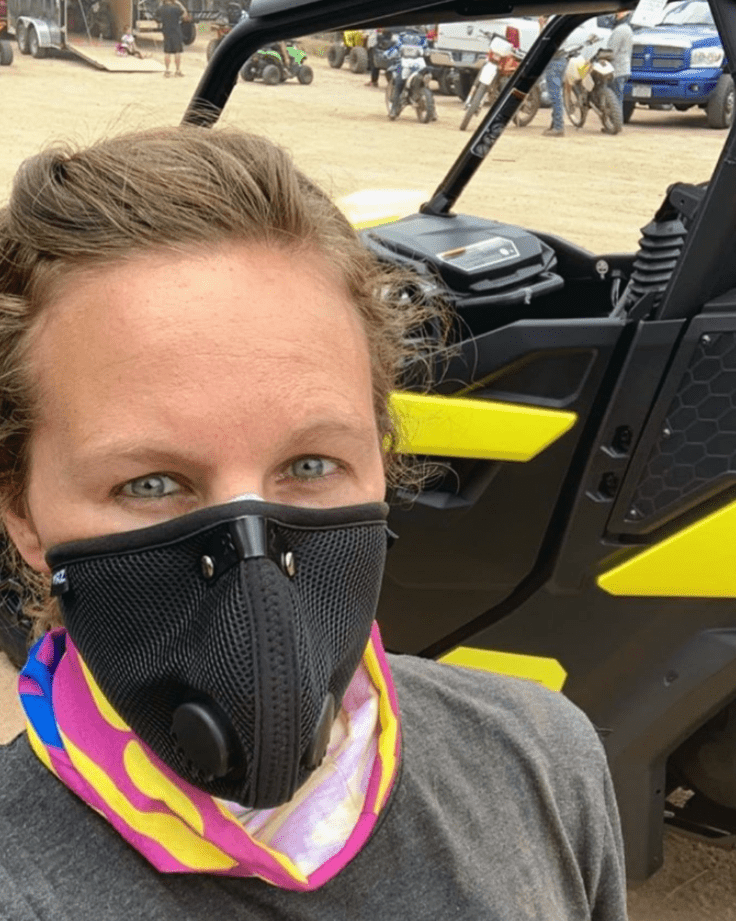
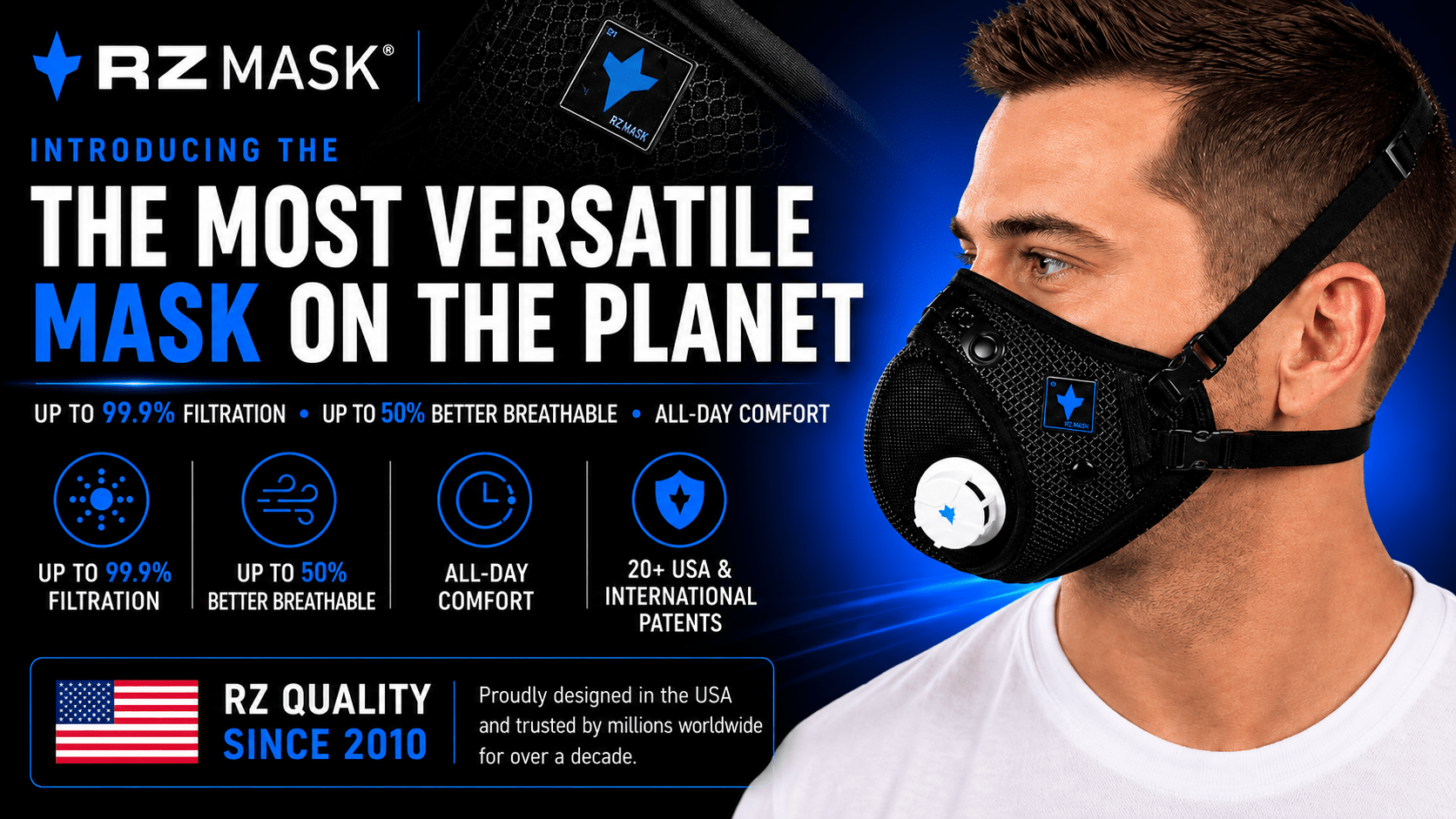
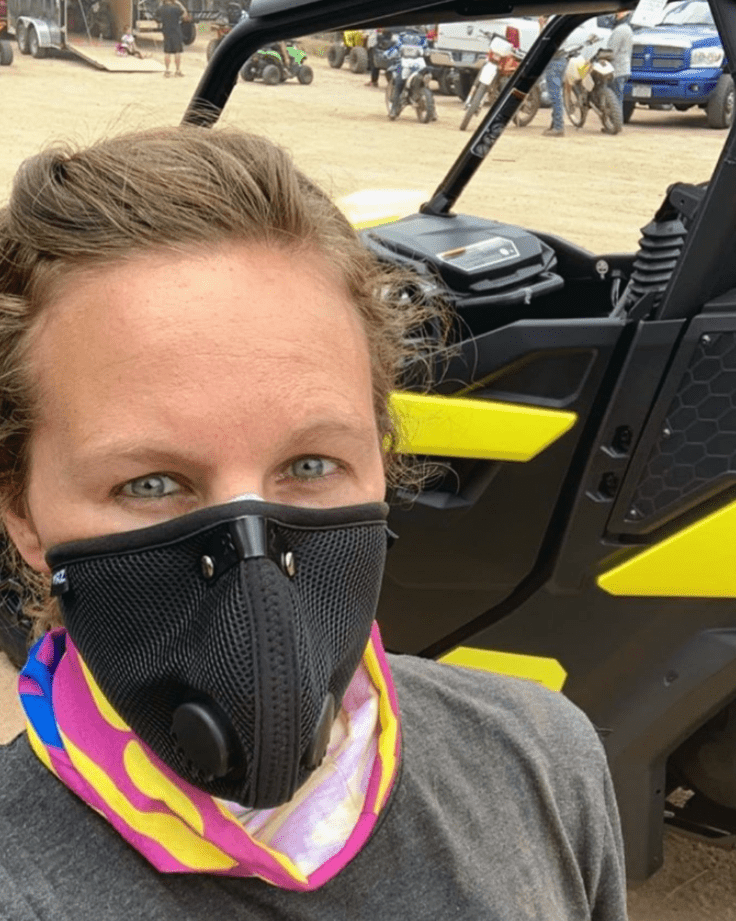
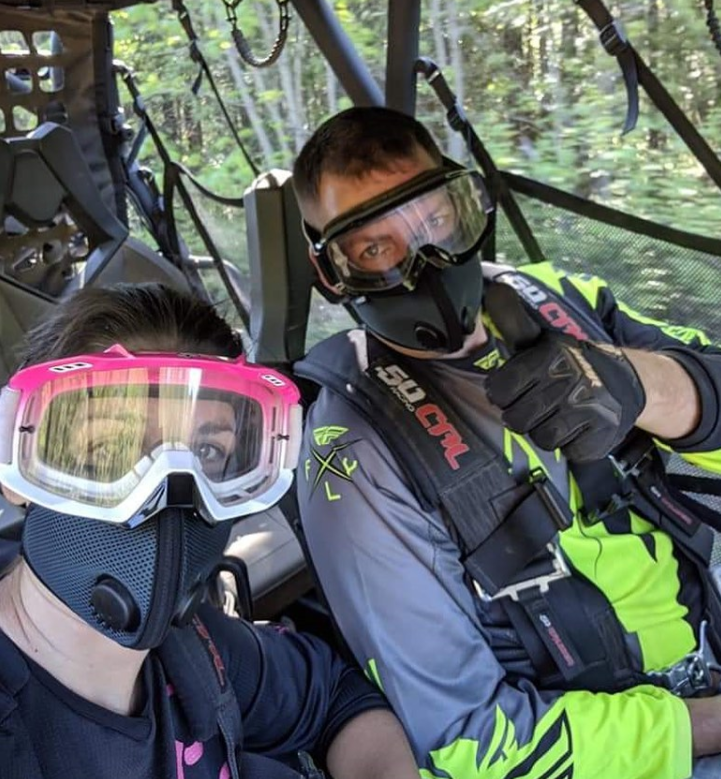
The RZM3 premium reusable mask with F3 Active Carbon Filter is the top choice for outdoor use during wildfire smoke events. It delivers particulate filtration down to 0.1 micron, active carbon designed to help reduce organic smoke odors, a complete 360° perimeter seal with adjustable nose clip, and the patented three-strap system that maintains a secure fit through active outdoor movement. The reusable platform means you can replace filters as needed throughout fire season without buying a new mask each time.
For High-Exertion Outdoor Activity During Smoke Events: RZ Airflow
For outdoor workers, runners, and cyclists who need to maintain aerobic activity during moderate smoke events, the RZ Airflow breathable mask is engineered for maximum airflow during physical exertion — the same filtration and active carbon protection in a high-airflow design built for sustained aerobic activity.
For Professional and Compliance-Driven Environments: RZ Pro FFP2 and FFP3
For wildland firefighters, emergency response personnel, and outdoor workers in professional environments where certified respiratory protection is required, the RZ Pro FFP2 certified respirator and RZ Pro FFP3 certified respirator provide CE-certified respiratory protection for compliance-driven environments. Consult your safety officer for guidance on your specific operational requirements.
Step 3: Protect Your Indoor Air
Staying indoors is the most effective way to reduce wildfire smoke exposure — but only if your indoor air is actually cleaner than the air outside. During heavy smoke events, smoke infiltrates buildings through gaps, ventilation systems, and HVAC and PTAC units that lack adequate filtration. Here's how to protect your indoor air effectively:
Close All Entry Points
Close all windows, doors, vents, and garage doors to prevent smoke from entering. If you live near an active fire but are not evacuating, designate a clean room with as few windows as possible. Stock up on essentials so you don't need to go outside during heavy smoke periods.
Upgrade Your Indoor Filtration
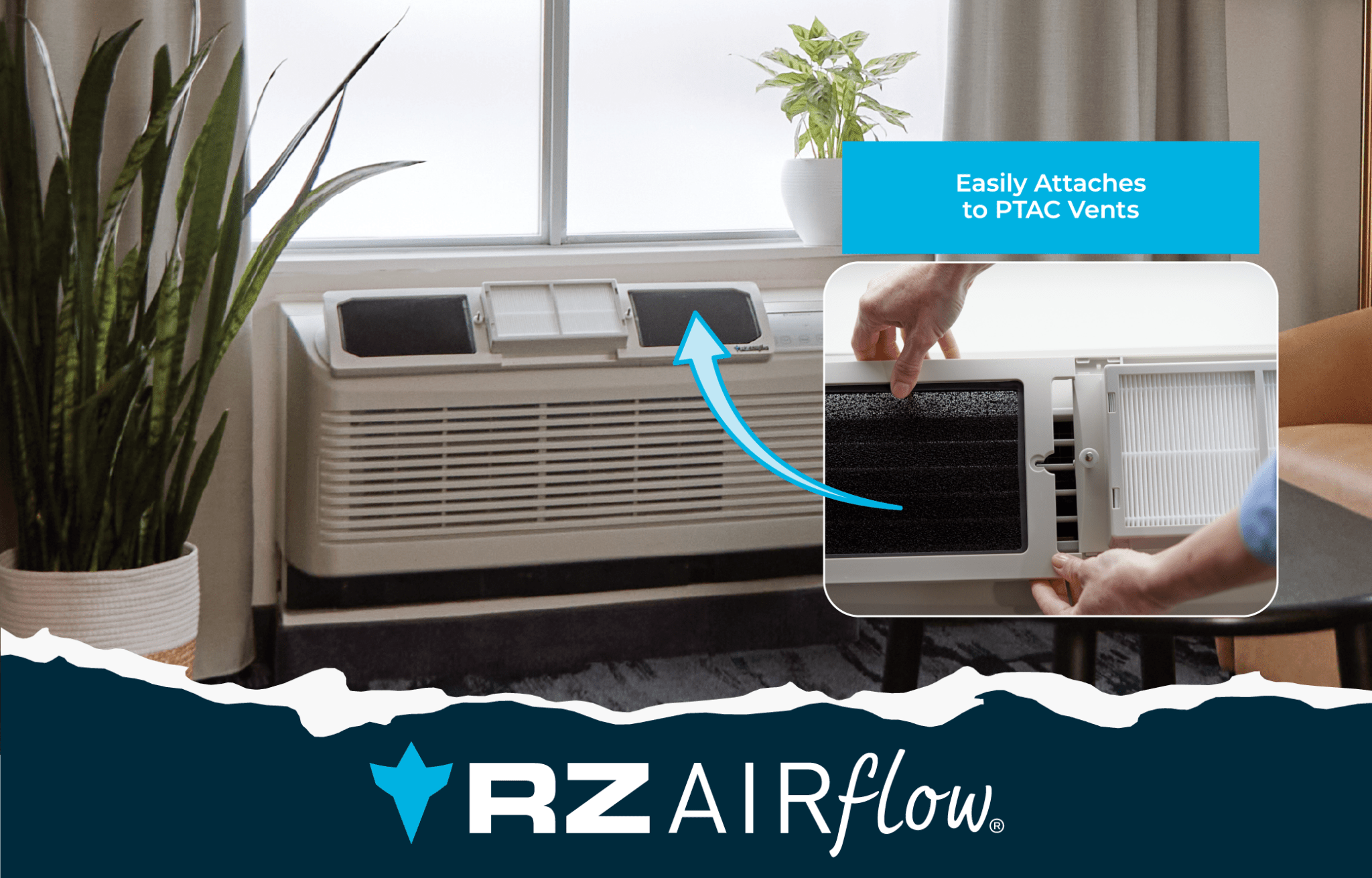
Standard HVAC and PTAC filters are designed to protect mechanical components — not to filter wildfire smoke PM2.5. Upgrading to True HEPA 99.97% filtration with active carbon is the most effective step for improving indoor air quality during smoke events.
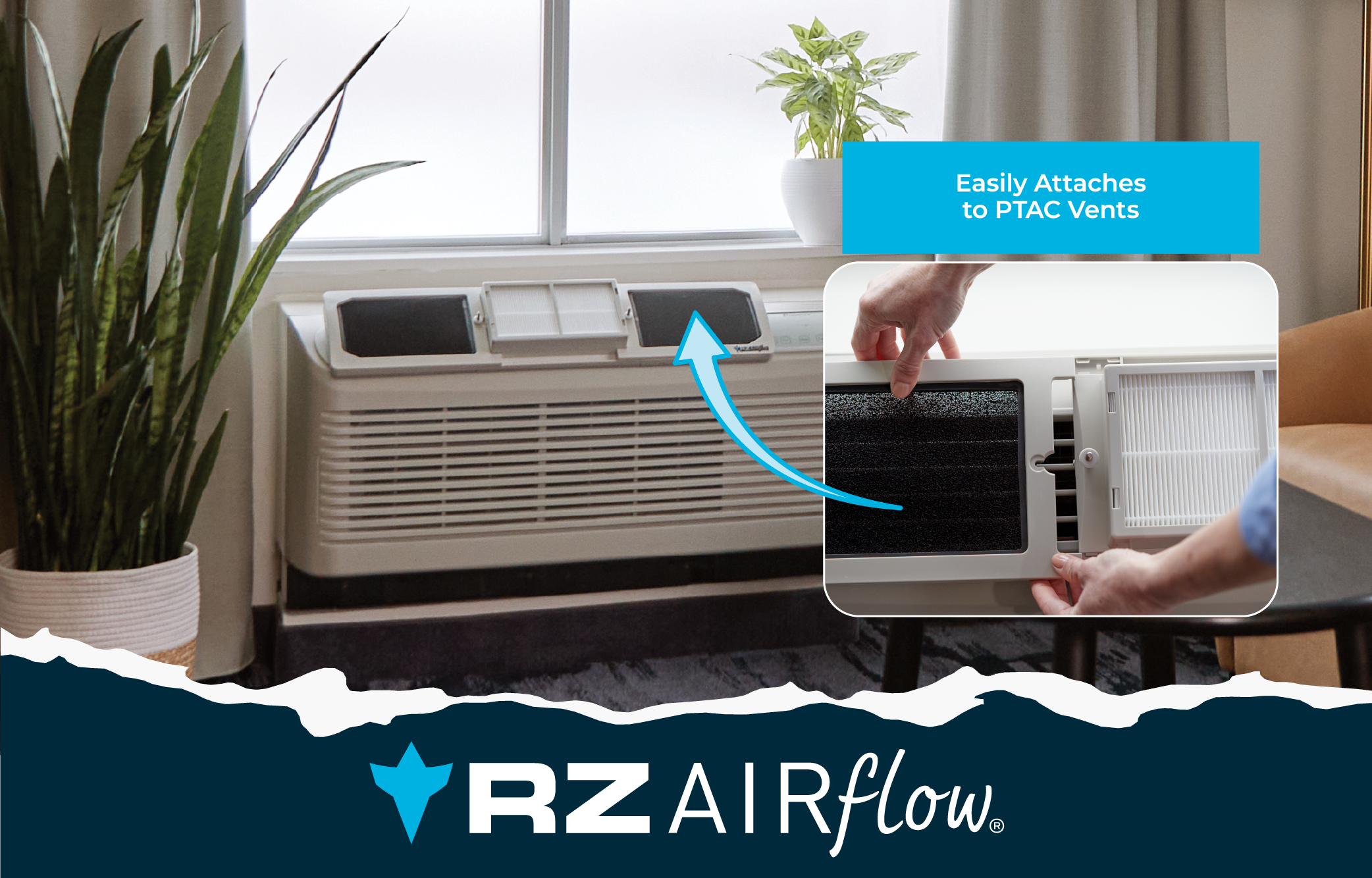
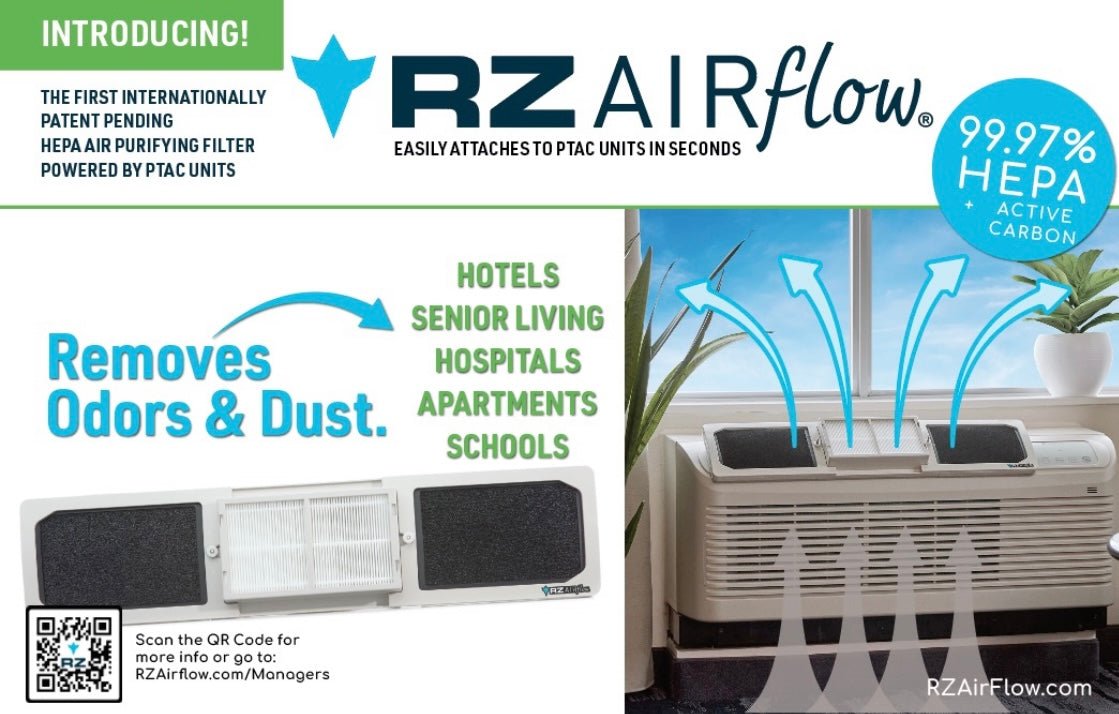
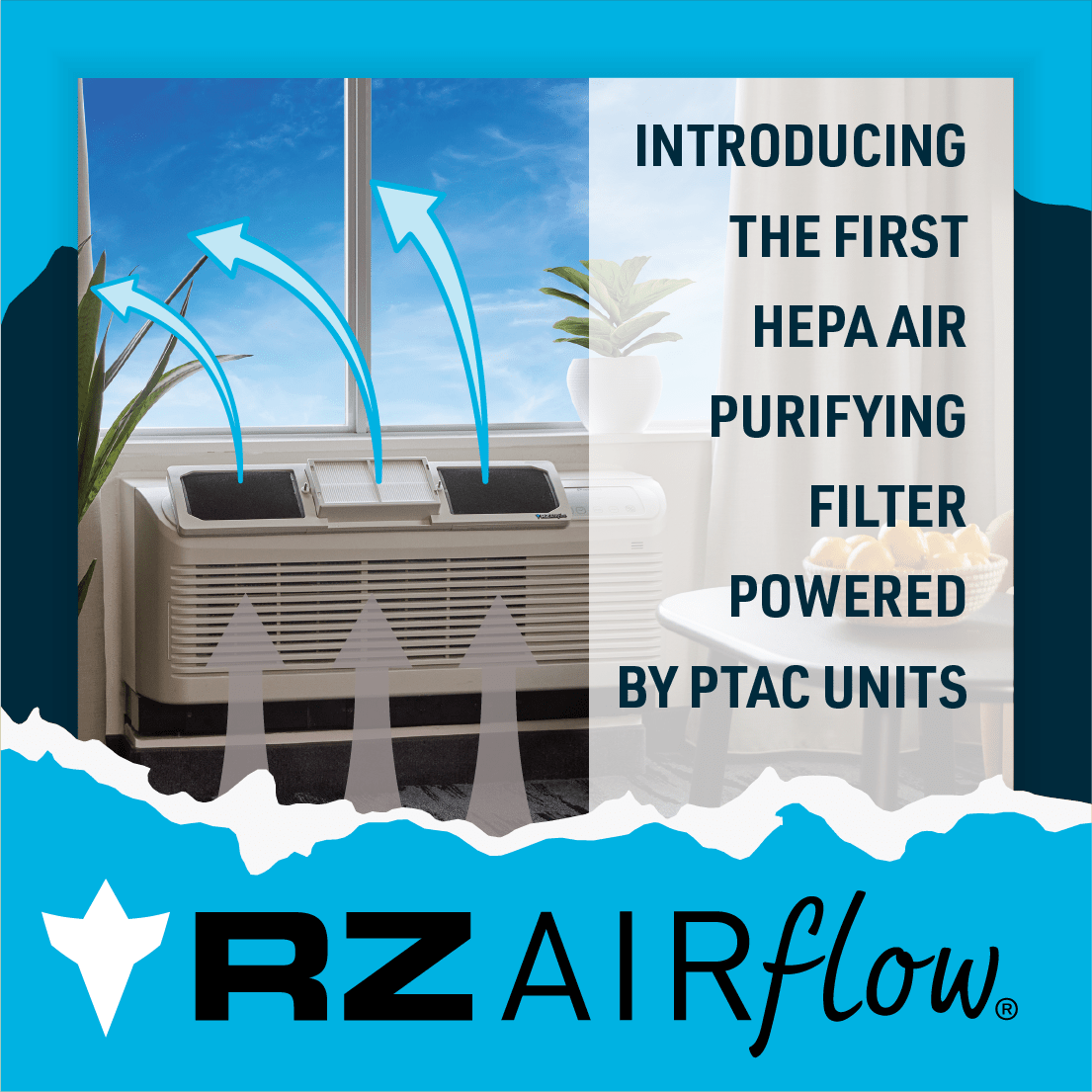
For PTAC-equipped buildings (hotels, apartments, senior living facilities): The RZ AIRFlow installs directly into any standard PTAC unit and delivers True HEPA 99.97% filtration plus active carbon organic odor reduction through the existing PTAC airflow system — filtering wildfire smoke PM2.5 and organic smoke odors from recirculated air without replacing the unit or requiring renovation. During wildfire smoke events, the RZ AIRFlow is one of the most effective tools available for protecting indoor air quality in PTAC-equipped spaces.
For standalone air purification: Use a True HEPA 99.97% air purifier with active carbon. Run it on high initially to clear the room, then on low continuously to maintain clean air. Look for units rated for the square footage of your space.
Manage Your HVAC System
If you have an HVAC system with a fresh air intake, set it to recirculate mode during smoke events to prevent drawing outdoor smoke into your home. If you use a window air conditioner where the outdoor damper cannot be closed, do not use it during heavy smoke periods — it will draw smoke directly into your space.
Reduce Indoor Pollution Sources
During smoke events, avoid activities that add to indoor air pollution: frying foods, sweeping or vacuuming (which re-suspends settled particles), burning candles or incense, using gas-powered appliances, or using wood-burning stoves. Every indoor pollution source compounds the smoke infiltration problem.
Who Is Most at Risk from Wildfire Smoke
- Older adults — who may have greater respiratory sensitivity and spend more time indoors in PTAC-equipped spaces where filtration matters most
- Children — whose respiratory systems are still developing and who breathe more air per pound of body weight than adults
- Pregnant women — smoke exposure during pregnancy is associated with adverse health outcomes
- People with respiratory conditions — including asthma, COPD, and allergies, who may experience more severe symptoms from smoke exposure
- Outdoor workers — who cannot avoid outdoor exposure during smoke events and need proper personal respiratory protection
- Hotel guests and senior living residents — who depend on facility operators to provide clean indoor air through proper PTAC filtration
Frequently Asked Questions: Wildfire Smoke Protection
Can an RZ Mask protect me from wildfire smoke?
The RZM3 with F1 or F3 Active Carbon Filter is designed to filter particles down to 0.1 micron — well below the 0.4–0.7 micron range of wildfire smoke PM2.5 — and to help reduce organic smoke odors through active carbon filtration. When properly fitted with a complete perimeter seal, it is designed to help reduce fine particulate exposure during outdoor activity in smoky conditions. It is not designed to filter carbon monoxide or toxic gases from active fire environments.
Should I stay indoors during wildfire smoke events?
The EPA recommends staying indoors with windows and doors closed during heavy smoke events when possible. When outdoor activity is necessary, a properly fitted particulate mask can help reduce — but not eliminate — fine particulate exposure. Check AirNow.gov for real-time conditions before going outside.
How does the RZ AIRFlow protect indoor air during wildfire smoke events?
The RZ AIRFlow installs directly into any standard PTAC unit and delivers True HEPA 99.97% filtration plus active carbon organic odor reduction through the existing PTAC airflow system. During wildfire smoke events, it filters PM2.5 and organic smoke odors from recirculated PTAC air — protecting the indoor air quality of hotel rooms, apartments, and senior living spaces without replacing the unit or requiring renovation.
Is an N95 or an RZ Mask better for wildfire smoke?
Both filter fine particulates when properly fitted. N95 respirators filter 95% of particles at 0.3 microns and are disposable with no active carbon. The RZM3 with F1/F3 filters is designed to filter particles down to 0.1 micron, is reusable with replaceable filters, and includes active carbon designed to help reduce organic smoke odors. For extended use during fire season, the reusable RZM3 system is more practical and cost-effective.
How often should I replace my filter during wildfire season?
Replace your RZ Mask filter when breathing resistance increases noticeably, when the filter becomes visibly soiled with smoke or ash, or after extended use in heavy smoke conditions. During active fire season with frequent smoke events, you may need to replace filters more frequently than in normal conditions. Replacement filters are available directly from RZ Mask.
What should I do if there is an active fire near my home?
Follow all guidance from your local fire department and emergency management authorities. If evacuation is ordered, evacuate. RZ Mask products are designed for general particulate filtration during smoke events — not for use in active fire environments or as a substitute for evacuation.
Be Prepared Before Fire Season Starts.
Wildfire smoke events develop quickly and can last for days or weeks. Having the right protection in place before fire season starts — the right mask for outdoor use, the right indoor filtration for your home or facility — is the smarter approach than scrambling when air quality drops.
Explore the full RZ Mask lineup for wildfire season protection: the RZM3 premium reusable mask, the RZ Airflow comfort-focused mask, the RZ Pro FFP2 certified respirator, and the RZ Pro FFP3 certified respirator.
Monitor air quality at AirNow.gov. For wildfire preparedness guidance, visit Ready.gov/wildfires. RZ Mask products are designed for general particulate filtration and organic odor reduction — not for carbon monoxide, toxic gas protection, or use in active fire environments. Always follow guidance from local authorities during wildfire events.



How Does Electrostatic Technology Improve the F3 Filter?
Behind the Mask: How Alex Brownfield Made a Miniature Golf Course at Home